
introduction
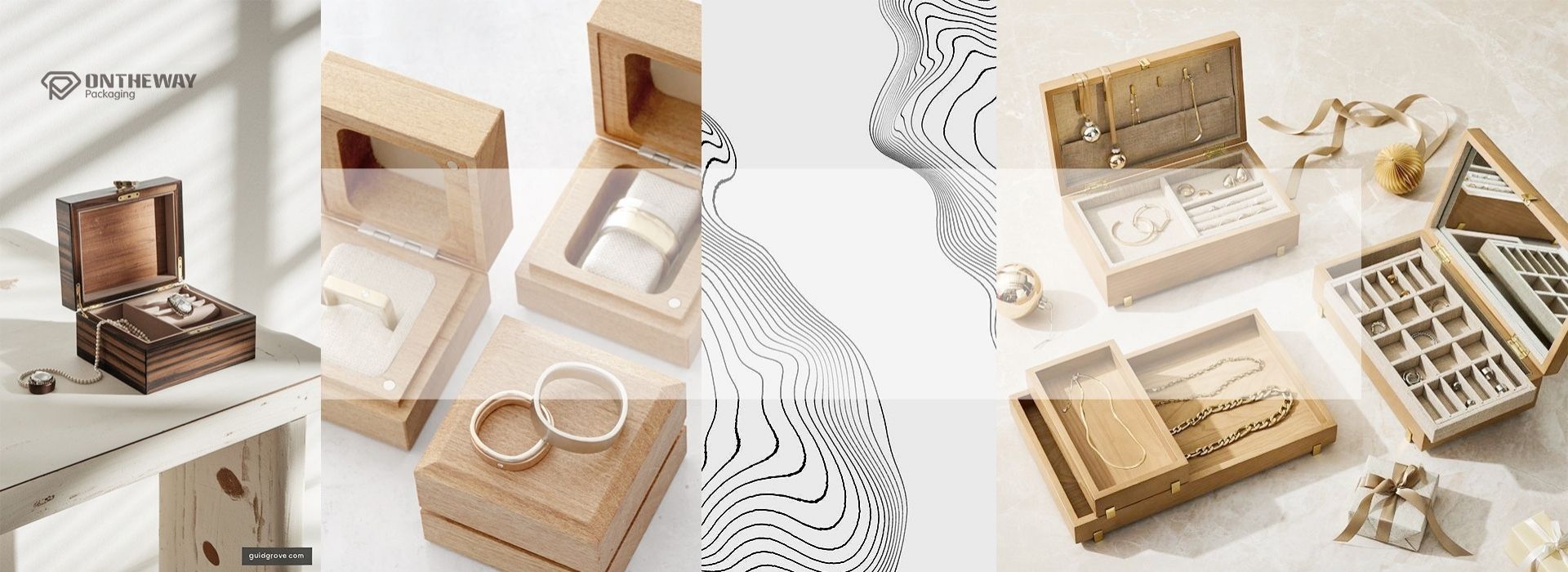
As jewelry brands continue to elevate their packaging and customer experience, OEM wooden jewelry boxes have become one of the most in-demand solutions for premium and mid-to-high-end markets.
Companies seeking exclusive designs, custom dimensions, and brand-specific aesthetics increasingly rely on OEM wooden jewelry box manufacturers that can translate concepts into high-quality, mass-producible products.
This guide provides a complete overview of OEM wooden jewelry boxes, including materials, customization capabilities, production processes, quality control, and what global brands should consider when choosing an OEM supplier.
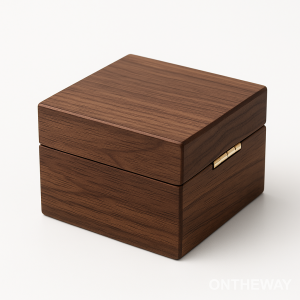
OEM (Original Equipment Manufacturer) wooden jewelry boxes are packaging products fully customized and produced according to a brand's specific requirements.
Unlike ready-made boxes, OEM solutions allow brands to determine every detail—from structure to materials to branding.
Key features include:
- Brand-exclusive designs
- Custom size, shape, and layout
- Bespoke wood materials and finishes
- Tailored interior structures
- Personalized branding and logo options
- Premium hardware and accessories
- Scalable mass production
OEM wooden jewelry boxes are widely used by jewelry brands, luxury retailers, wedding gift companies, and premium e-commerce sellers seeking a unique and differentiated packaging identity.
OEM production gives brands full control over the design and functionality of their jewelry boxes.
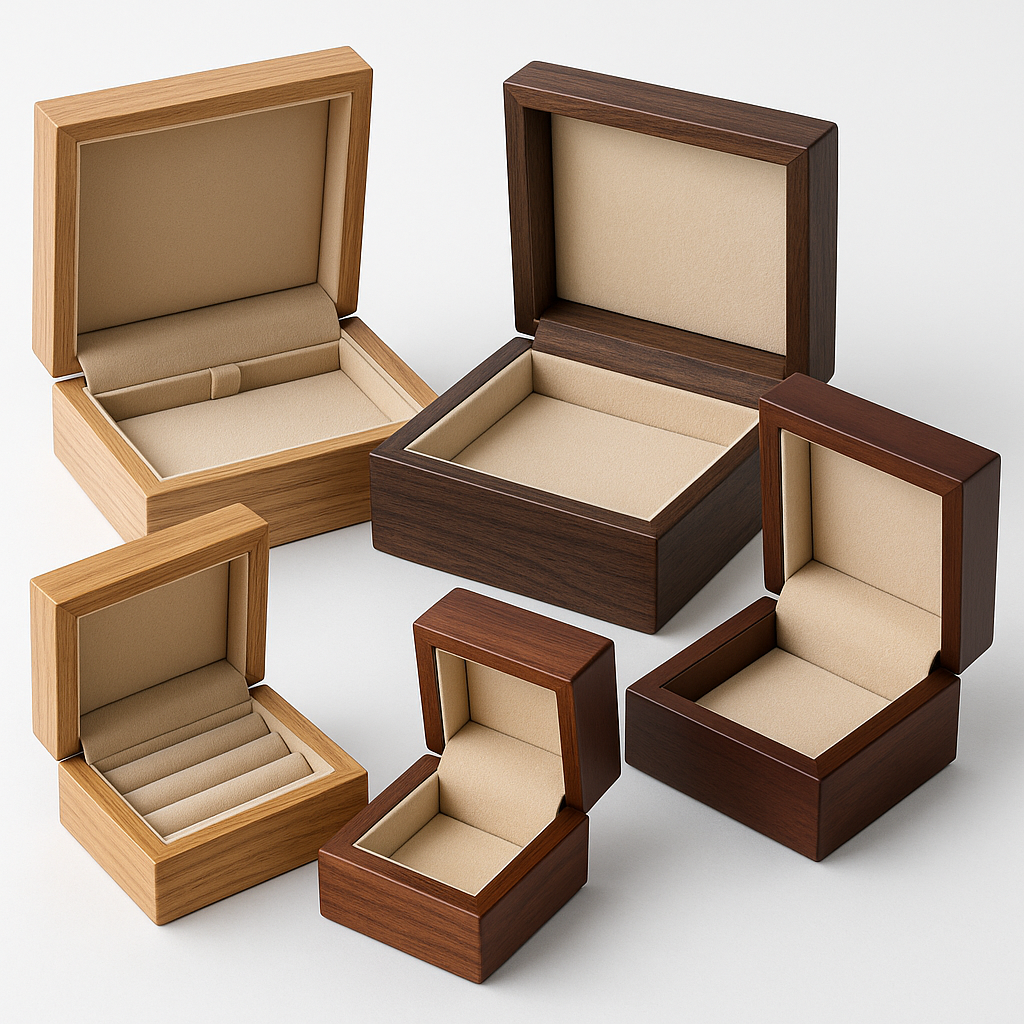
1. Wood Materials
You may choose from:
- Solid walnut
- Cherry wood
- Maple
- Oak or beech
- Ebony-style stained wood
- Eco-friendly bamboo
- MDF with real wood veneer (cost-effective)
Each option offers a different aesthetic, weight, and price point.
2. Box Structures
- Hinged lid
- Magnetic closure
- Drawer or sliding lid
- Multi-layer compartments
- Presentation-style display boxes
- Ring, necklace, bracelet, or multi-purpose inserts
3. Interior Linings
Fully customizable based on the jewelry type:
- Velvet (most premium)
- Suede
- Microfiber
- PU leather
- Satin
- EVA foam with cut-outs
4. Exterior Finishes
- Matte hand-polished
- Glossy lacquered
- Natural oil finish
- Painted finishes
- Textured veneer surfaces
5. Branding Techniques
OEM wooden boxes support high-end logo applications:
- Laser engraving
- UV printing
- Gold/silver foil stamping
- Metal nameplates
- Inlaid branding
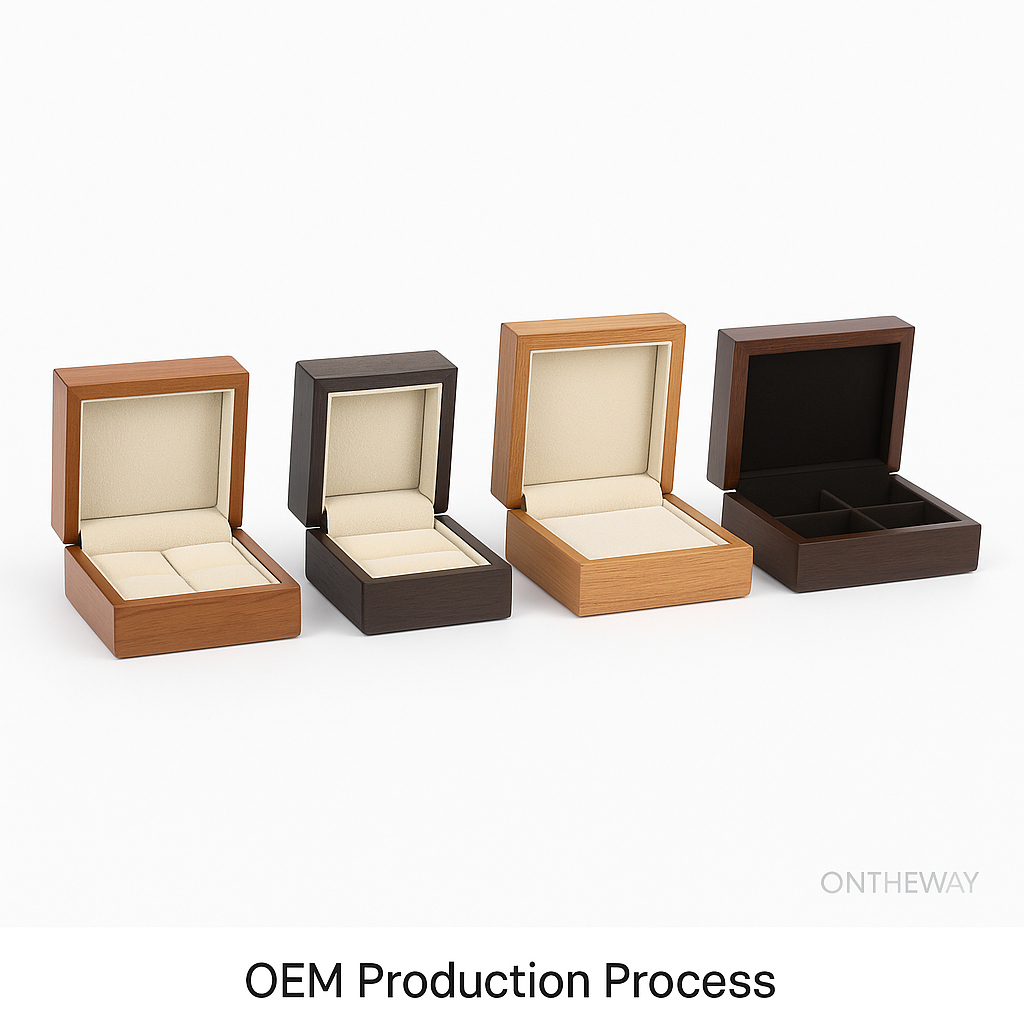
Working with an OEM manufacturer typically follows a structured process designed to ensure accuracy, consistency, and quality.
Step 1: Concept & Requirements
Brand provides:
- Dimensions
- Reference photos or sketches
- Interior layout
- Material preferences
- Logo requirements
- Target quantity and budget
Step 2: 3D Design & Technical Drawings
The engineering team creates:
- CAD drawings
- 3D renderings
- Structural breakdown
- Cost & process evaluation
Step 3: Sampling & Prototype Development
A physical sample is produced for final confirmation:
- Wood selection
- Surface finish
- Interior lining
- Logo placement
- Hardware testing
Step 4: Mass Production
Once sample is approved:
- Wood cutting
- CNC shaping
- Sanding & polishing
- Painting or staining
- Interior assembly
- Logo execution
- Hardware installation
Step 5: Quality Control & Packaging
Inspection includes:
- Surface consistency
- Color matching
- Interior alignment
- Logo accuracy
- Hardware durability
Boxes are then packed securely for international shipping.
OEM wooden packaging offers several advantages:
• Exclusive Brand Identity
Your design becomes unique—no competitor has the same structure or finish.
• Perfect Fit for Your Jewelry Line
Sizes and inserts can be tailored to each product category.
• Higher Perceived Value
Customers associate wooden packaging with quality, artistry, and trust.
• Enhanced Unboxing Experience
High-end packaging creates emotional impact and positive brand recall.
• Scalable Supply Chain
OEM production ensures long-term consistency across multiple collections.


ONTHEWAY offers full-service OEM manufacturing for wooden jewelry boxes with a strong focus on craftsmanship, precision, and international export quality.
Our advantages include:
• Advanced Woodworking Facilities
Professional cutting, laser engraving, CNC shaping, and polishing lines.
• Material Diversity
Premium walnut, cherry, maple, bamboo, MDF veneer, and more.
• Experienced Engineering Team
We create CAD drawings, develop prototypes, and refine structural designs.
• High-End Finishing Capabilities
Matte, glossy, stained, brushed, lacquered—crafted to perfection.
• Custom Interior Manufacturing
Velvet, suede, microfiber, EVA, and multi-compartment layouts.
• Strict QC Process
Surface inspection, color matching, hardware testing, and durability checks.
• Flexible MOQs
Ideal for both emerging brands and large-scale jewelry houses.
• Reliable Lead Times & Export Shipping
Fast sampling, stable mass production, and export packaging optimized for overseas transport.
ONTHEWAY supports global brands seeking a professional, long-term OEM partner for premium wooden packaging.
conclusion
OEM wooden jewelry boxes offer unmatched customization and premium presentation for brands aiming to elevate their product experience. From design engineering to wood selection to finishing techniques, OEM production gives brands complete control and stronger differentiation in competitive markets.
With ONTHEWAY’s professional craftsmanship, engineering expertise, and advanced woodworking facilities, jewelry brands can develop unique packaging that reflects their values, aesthetics, and long-term vision.
FAQ
Q. What does OEM mean for wooden jewelry boxes?
OEM means fully customized wooden jewelry boxes designed and manufactured according to a brand’s unique specifications.
Q. Can I customize the size and structure of an OEM wooden jewelry box?
Yes—size, inserts, materials, and finishes can be completely customized.
Q. What is the MOQ for OEM wooden jewelry boxes?
MOQs typically range from 100–300 pieces depending on materials and design complexity.
Q. How long does OEM production take?
Sampling usually takes 7–15 days; mass production takes 20–35 days.
Q. What wood materials are commonly used?
Walnut, cherry, maple, oak, bamboo, and MDF veneer are the most popular.
Post time: Dec-15-2025
.png)
.png)
.png)

.png)

.png)