
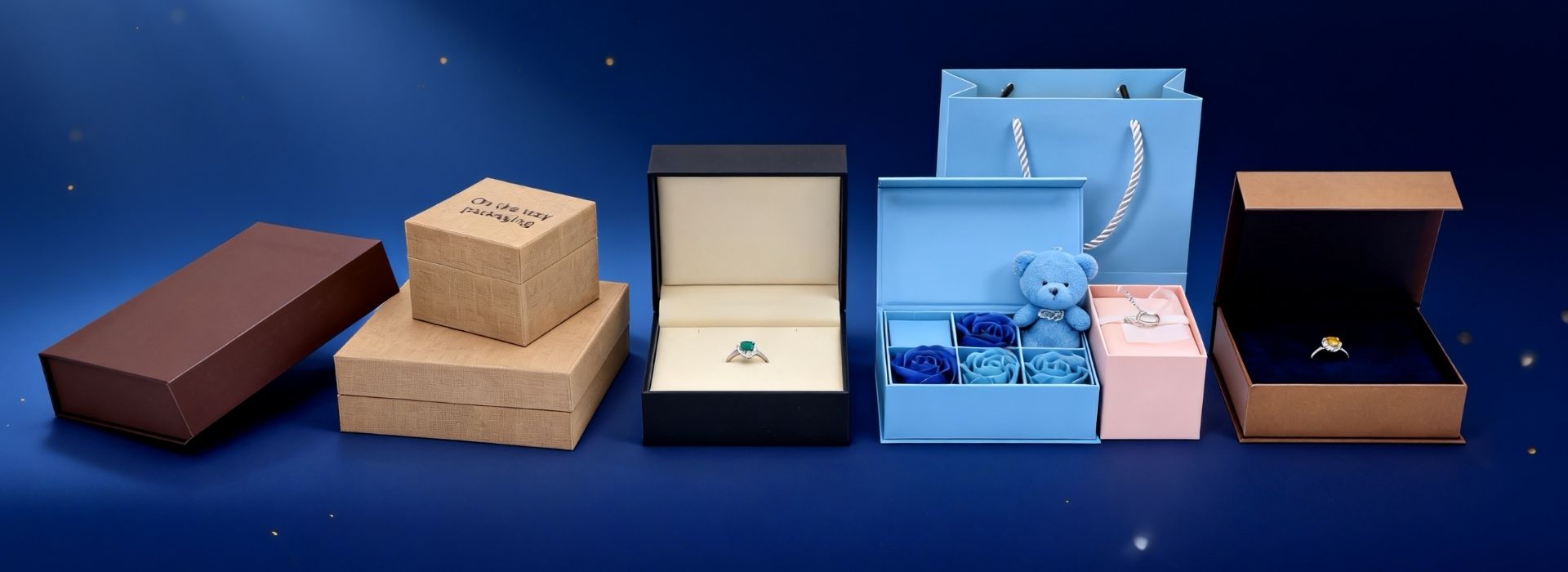
Introduction:
Paper jewelry boxes are customizable enabling jewelry brands to match packaging to product design, brand identity and customer expectations. Custom solutions have improved size matching, image consistency and future brand value compared with stock packaging-only when the customization process is well thought through.
This manual will provide the process of customizing the paper jewelry boxes and how it works so that sellers can understand what makes the most difference and the easiest way to avoid the pitfalls in sourcing.
Brands ought to explain why they need to be customized before reaches out to suppliers.
Paper jewelry box Custom boxes are commonly used to:
- Corresponding jewelry sizes and shapes.
- Develop cohesion in collections of the brand.
- Enhance unboxing experience and value.
- Differentiate products in the retail or online sale.
Wholesale stock boxes can be well adapted to the objective of a short-time cost decrease or accelerated replenishment, compared to complete customization.
One of the most critical decisions of customization is box structure.
Typical paper jewelry boxes designs are:
- Lid and base boxes
- Drawer (slide) boxes
- Magnetic closure boxes
- Foldable rigid paper boxes
The option taken here should be guided by the weight of products, the needs of protection and position of brands as opposed to outward appearance.
Both the choice of material and durability, appearance and cost have direct influence.
Key considerations include:
- Thickness and rigidity of paperboard.
- External wrapping paper (matte, textured, coated, specialty paper)
- Frinishes on the surface like hot foil stamping, embossing or spot UV.
The visual appeal of brands ought to be matched to their usefulness in the case of shipping internationally packed packaging.

Both protection and presentation require inserts.
When customizing inserts:
- Make accurate sizes of jewelry object.
- Select box complementary materials (foam, velvet, paperboard)
- This is because packing may be complicated by over-tight inserts.
One of the most frequent reasons of dissatisfaction of custom packaging projects is poor design of inserts.
Most custom paper jewelry boxes are logo branded, although they are to be prepared.
Before production:
- Supplies vector logo files (AI, EPS or PDF)
- State logo size, logo position, and finish.
- Authenticate color reference in case of metallic or specialty finishes.
Specified branding minimizes repetition of cycles in the revision of samplings.
Trade-offs are always associated with customization.
Buyers should clarify:
- Minimum box box style order quantity.
- Sampling and tooling costs
- After approving of the sample, production lead time.
- The difference in costs of minor and major design changes.
In most instances, large scale reduction of structure or finishes can greatly reduce MOQ and lead time.
The process of sampling is an important gateway in personalized packaging.
Buyers are expected to:
- Insert fit with actual jewelry products.
- Test surface finish repeatability.
- Structural durability of check.
- Check performance of packaging when handling and transportation.
Sampling stage can be skipped or rushed and this can usually cause problems in the future that are avoidable.
Repeat production Custom packaging is effective when it is designed to be repeated.
Brands should confirm:
- The reproduction of materials and colors will be possible or not.
- How reorders are handled
- Keeping of design files and tooling by the supplier.
Long term planning aids in avoiding changes among batches.
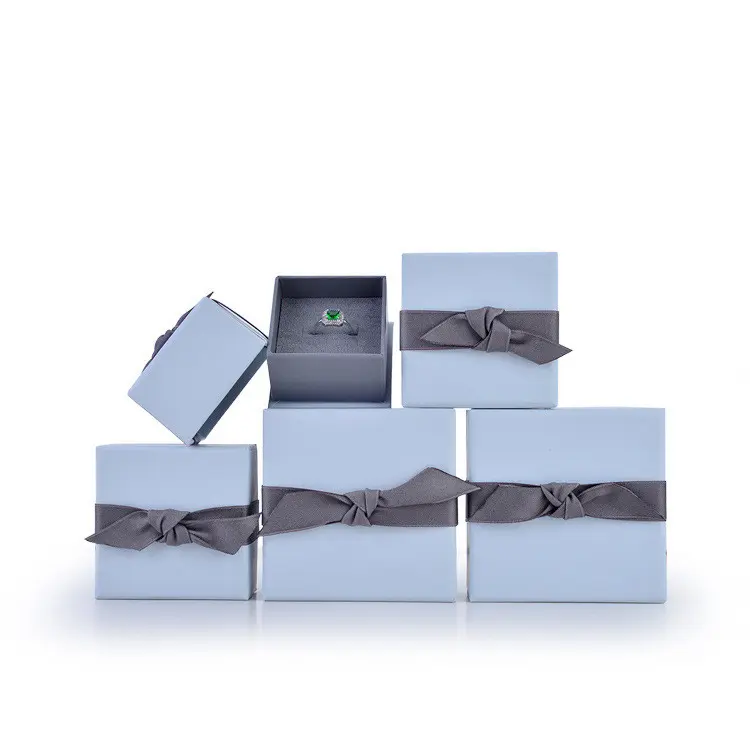
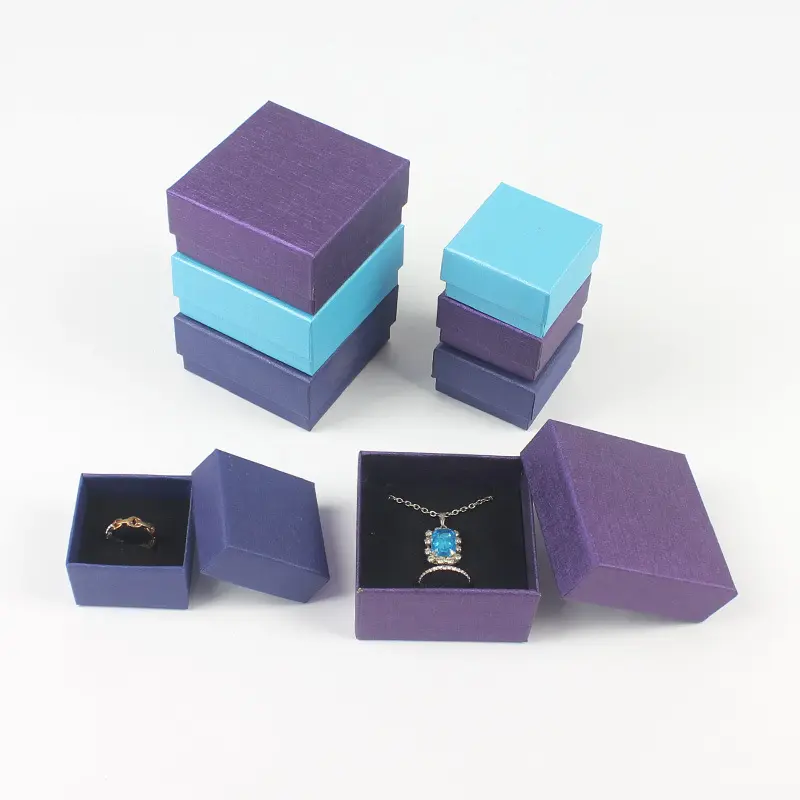
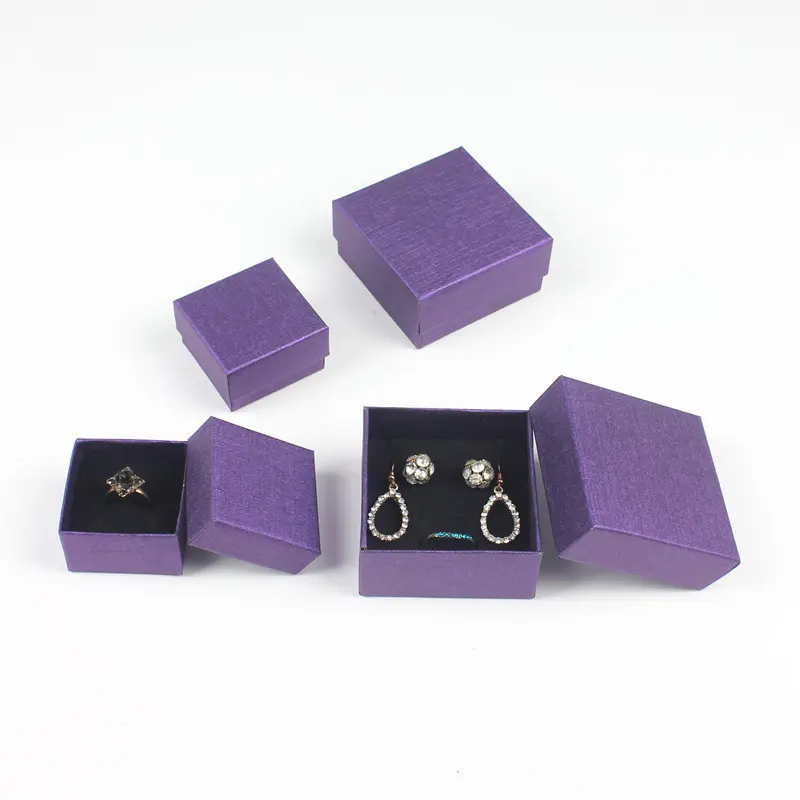
Personalization of paper jewelry boxes is an organized procedure which involves having clear goals, proper design choices and proper synchronization with suppliers. Through priority on structure, materials, inserts and branding as well as production planning, brands can design packaging which can support presentation as well as scalability. When the customization process is controlled properly, the packaging is not a cost liability but an investment.
Post time: Feb-04-2026
.png)
.png)
.png)

.png)

.png)