

Choose hot foil for the desired foil finish and screen printing for an ink based design suited to the selected surface. Neither process is automatically better for a small logo. Compare edge definition, coverage, rub resistance and appearance on the actual box covering.

Compare the result on the chosen covering
Smooth paper, textured paper and leatherette behave differently during decoration. The same logo can look sharp on one surface and broken on another. Ask for samples using the exact covering or a clearly identified equivalent. Compare the finished result under ordinary lighting rather than judging a reflective foil only in a carefully lit photograph.
Review fine strokes and reversed details
Small lettering, narrow gaps and thin decorative lines are vulnerable to loss of definition. Check the logo at its real size and request process specific feedback. A slightly simplified small logo version may reproduce more consistently than a reduced copy of a large sign. Approve any simplification as a brand decision.
Include durability and placement in the trial
Rub the decorated surface using an agreed repeatable method and compare against an undecorated control. Inspect edges and corners near the logo. Check whether handling, sleeves or carton packing contact the printed area. The trial is a screening exercise unless performed to a defined standard; record the method instead of claiming a certified result.
Compare the full production scope
Request setup charges, unit costs, number of passes and reorder conditions for both methods. A multicolor design may require additional operations. Ask whether the process changes the box assembly sequence or restricts the logo position. Select the combination that meets the approved appearance and use requirements at the intended quantity.
Compare the desired visual effect on real material
Foil and screen printing should be evaluated on the proposed covering, with the intended logo size. A metallic effect, a flat ink color and a textured surface create different visual results. Ask for relevant physical examples. A photograph taken under flattering light cannot settle whether the decoration is suitable for the customer’s normal viewing conditions.
For actual covering sample, define the decision before collecting more samples. Identify who needs the result and what they can approve. In the review titled “Compare the desired visual effect on real material”, record the unresolved assumptions. For actual covering sample, ask which actual configuration the current evidence covers. Keep observations separate from preferences and proposed alternatives. If an answer remains incomplete, assign a follow up owner. Keep the agreed requirement for actual covering sample visible in the purchase record. Give the next reviewer enough context to reproduce the comparison. Do not rely on a verbal assurance alone.
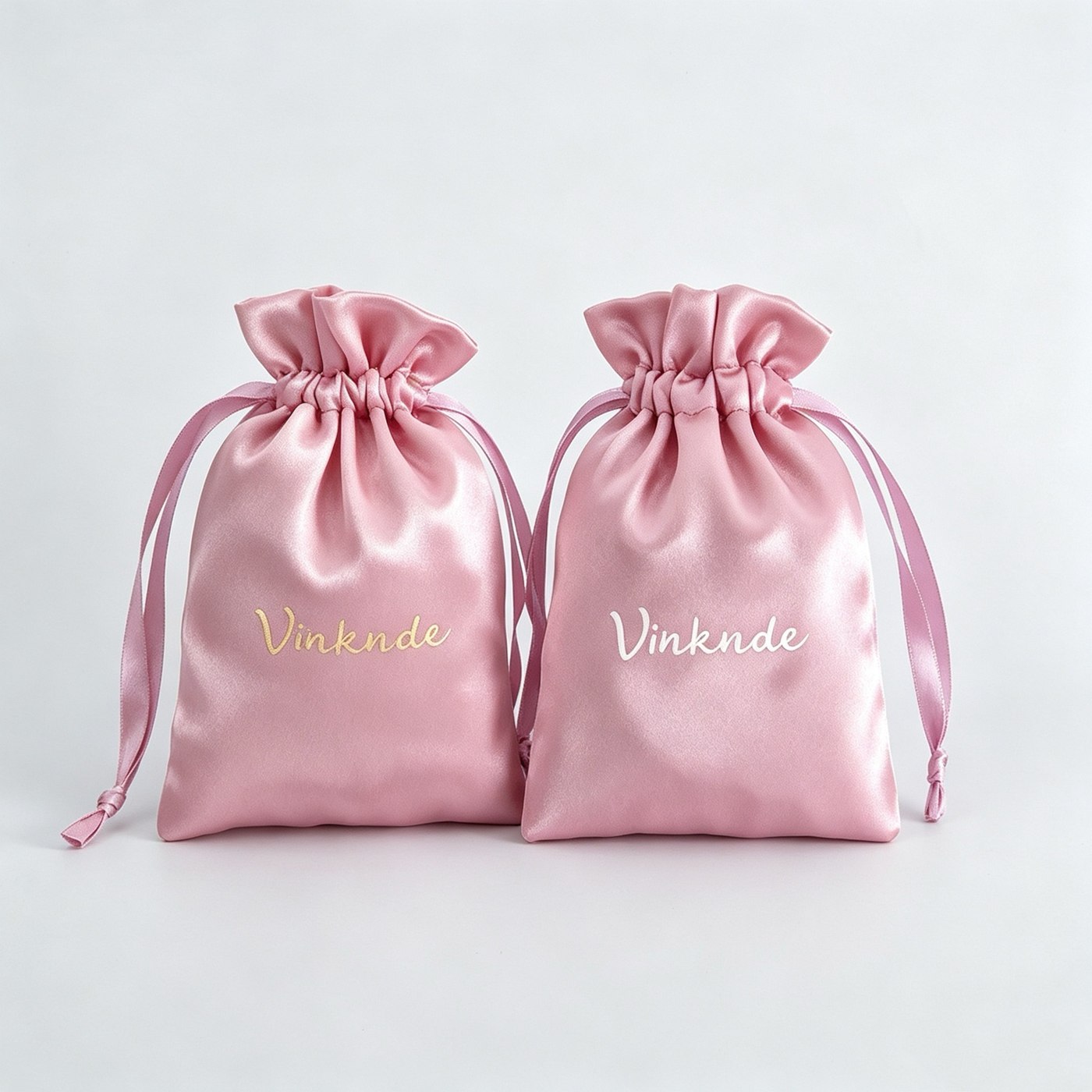
Review the artwork detail before selecting the method
Examine fine strokes, gaps and large solid areas in the actual logo. Ask the decorator which features need adjustment for each proposed process. Do not assume that artwork approved for one method can transfer unchanged to another. Any visible simplification should return to the brand owner for approval before a production sample is made.
Treat logo at finished size as a named requirement in the comparison record. Show the current reference beside the proposed alternative. For the issue addressed in “Review the artwork detail before selecting the method”, change one relevant variable at a time. Record the product or component actually used in each comparison. Keep the original observations available after choosing a preferred option. Otherwise, a later purchaser may repeat an already rejected approach. Ask whether a change to logo at finished size affects another requirement or packing task. Resolve that interaction before releasing the complete configuration. The aim is a decision others can follow without guesswork.
Account for the substrate and box construction
The covering texture and the support underneath the decorated area can influence the appearance of the mark. A flat sheet sample may not represent decoration on the assembled box. Ask where in the manufacturing sequence the logo is applied. Evaluate samples made through the intended sequence when surface consistency matters to the decision.
Assign responsibility for fine lines and gaps across the handover between teams. The person selecting an option may not perform the packing. Use “Account for the substrate and box construction” as a review topic for the people responsible for selection and packing. Record any preparation or special handling the approved result requires. If a workaround is necessary, evaluate whether it is repeatable. Avoid leaving essential technique in one experienced operator’s memory. Include fine lines and gaps in the practical handover instructions and first run review. When fine lines and gaps is questioned, compare the documented design with the packing method. Review the assembled result before closing the action.
Compare costs on an equivalent scope
Request separate information for setup, decoration and any additional handling. Keep order quantity, artwork dimensions and number of decorated locations consistent. A change from one method to another may also change preparation or assembly requirements. Record those differences rather than attributing the entire price change to the decoration technology alone.
Define appearance and handling checks
Review legibility, edge quality, coverage and visual consistency under agreed conditions. Add a handling assessment that represents how the brand packs and sells the product. Use a method and acceptance criteria agreed with the supplier. A casual fingernail scratch should not be presented as a universal durability test or an industry certification.
Choose the method for the whole collection
Check whether the selected decoration can work across the planned colors and sizes. A method that looks good on one smooth lid may need another approach on a textured sleeve. Keep collection consistency and reorder practicality in the decision. Store an approved decorated sample for each materially different substrate rather than one universal logo reference.
Illustrative purchasing scenario
An illustrative brand compares a metallic foil logo with a screen printed logo on a textured lid. The digital designs look similar, but the physical samples emphasize different details. The team keeps the substrate and logo size constant so the comparison remains useful.
Reviewers first examine the small letters and internal gaps. They then view the whole box under the intended retail lighting. The metallic option changes appearance as the viewing angle changes, while the printed option produces another visual effect. The decision is recorded as a preference for this construction rather than a universal ranking of the methods.
Purchasing compares the quoted setup and repeat costs on the same quantity and decoration scope. Fulfillment performs the agreed handling review using the finished samples. A material change proposed during that review is considered separately, so the team can distinguish the effect of the decoration method from the effect of a smoother covering.
The selected sample becomes the reference for the specific combination of artwork, size, substrate and finish. If another collection uses a different material, the decoration is reviewed again. This scenario does not establish an available price or a guaranteed durability level. It shows how an equivalent comparison supports a defensible choice and avoids asking a single decoration technique to deliver the same appearance on every possible packaging surface.
Buyer checklist
- · Actual covering sample
- · Logo at finished size
- · Fine lines and gaps
- · Rub and handling check
- · Setup and repeat costs
- · Approved placement and finish
Practical example
For a 20 mm wide logo with a delicate tagline, test a logo only version beside the full artwork. Compare legibility on the intended covering before choosing a process; the simpler version may better preserve the brand mark at that scale.
Frequently asked questions
Does hot foil always look more luxurious?
That is a design judgment. A clean ink logo can suit a restrained brand, while a poorly reproduced foil logo can reduce perceived quality.
Can one approval cover every covering color?
Only when the agreed evidence supports it. Different materials and finishes may need separate decoration trials.
Discuss your packaging specification
Compare the same small logo on your chosen covering using both proposed decoration methods, then approve the sample that meets your appearance and handling requirements.
Explore Custom Jewelry Boxes with Logo or contact OnTheWay Packaging.


.png)
.png)
.png)

.png)

.png)