

Jewelry packaging landed cost is the total cost of getting usable packaging to the required location. Build the calculation from product cost, setup, transport, insurance, applicable border charges and local handling. Check delivery terms so the same charge is not counted twice.

Choose the comparison boundary
Decide whether the calculation ends at a port, warehouse or fulfillment center. Record the currency and conversion date. Identify recoverable taxes separately from permanent costs, with help from the relevant adviser. Two offers cannot be compared fairly if one ends at the factory and the other includes delivery to your warehouse.
Collect the physical shipping information
Request packed carton dimensions, gross weight, carton count and total volume. Decorative boxes often occupy substantial space relative to their weight. A change in box height or carton arrangement can affect transport cost even when the product unit price stays the same. Obtain a freight quotation for the actual packed configuration and route.
Allocate shared charges transparently
Allocate order level costs across the units they support. If several box sizes share a shipment, document whether charges are allocated by volume, weight or another reasonable basis. Keep setup charges attached to the relevant design. This prevents a small, light box from appearing expensive simply because a bulky product’s freight was split equally.
Compare scenarios and update before ordering
Calculate at least the planned order and one plausible reorder scenario. Flag estimates, quote expiry dates and exclusions. Ask the forwarder to confirm current destination charges and use a qualified customs professional for classification and applicable duties. Update the sheet when packing dimensions or delivery terms change rather than carrying forward an old freight assumption.
Start with a consistent delivery boundary
Compare quotations only after identifying the named delivery point and the responsibilities included in each offer. A factory collection price and a warehouse delivery price cover different activities. Build the model around the actual movement of goods. Where a charge is unknown, show an open estimate with its owner instead of quietly treating it as zero.
For named delivery destination, define the decision before collecting more samples. Identify who needs the result and what they can approve. In the review titled “Start with a consistent delivery boundary”, record the unresolved assumptions. For named delivery destination, ask which actual configuration the current evidence covers. Keep observations separate from preferences and proposed alternatives. If an answer remains incomplete, assign a follow up owner. Keep the agreed requirement for named delivery destination visible in the purchase record. Give the next reviewer enough context to reproduce the comparison. Do not rely on a verbal assurance alone.
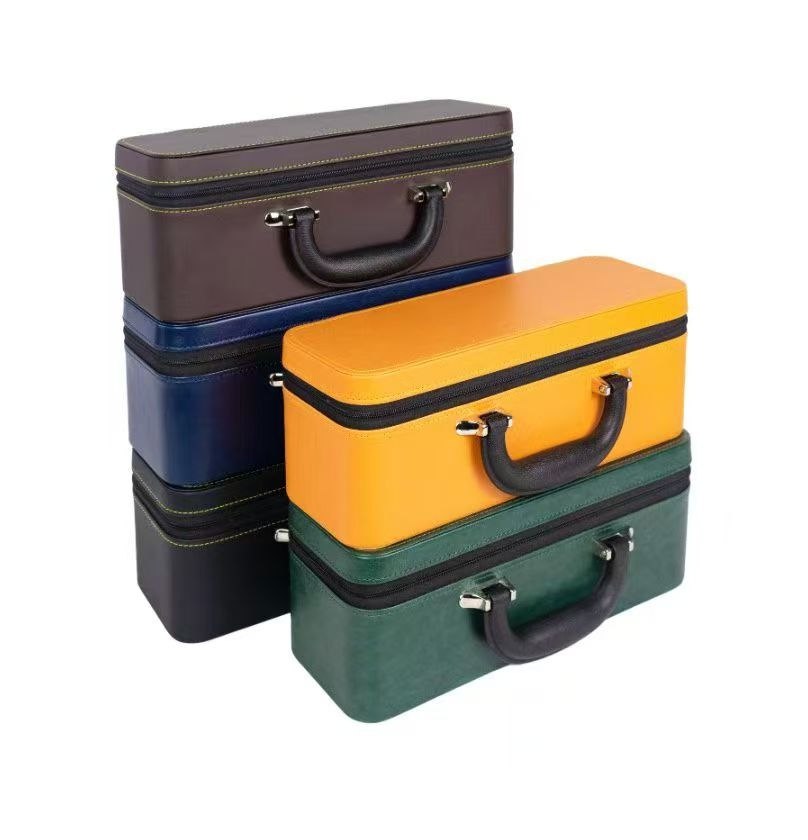
Use the transport packing specification
Request the number of retail boxes per outer carton, external carton dimensions and packed carton weight. Record whether retail boxes arrive assembled or nested. These details influence a forwarder’s quotation and the receiving team’s workload. Do not calculate transport from the retail box dimensions alone because protective material and carton arrangement change the shipment.
Treat currency and quotation date as a named requirement in the comparison record. Show the current reference beside the proposed alternative. For the issue addressed in “Use the transport packing specification”, change one relevant variable at a time. Record the product or component actually used in each comparison. Keep the original observations available after choosing a preferred option. Otherwise, a later purchaser may repeat an already rejected approach. Ask whether a change to currency and quotation date affects another requirement or packing task. Resolve that interaction before releasing the complete configuration. The aim is a decision others can follow without guesswork.
Keep currency and timing assumptions visible
Record the currency, exchange rate assumption and date of each estimate in the model. A quotation may remain valid for a different period from a transport offer. Recalculate when the shipment plan or payment schedule changes. The purpose is to show the financial exposure clearly, rather than present a precise looking number built on outdated inputs.
Assign responsibility for carton count dimensions and weight across the handover between teams. The person selecting an option may not perform the packing. Use “Keep currency and timing assumptions visible” as a review topic for the people responsible for selection and packing. Record any preparation or special handling the approved result requires. If a workaround is necessary, evaluate whether it is repeatable. Avoid leaving essential technique in one experienced operator’s memory. Include carton count dimensions and weight in the practical handover instructions and first run review. When carton count dimensions and weight is questioned, compare the documented design with the packing method. Review the assembled result before closing the action.
Assign responsibility for destination charges
Ask the logistics provider which services are included and which may be billed separately at destination. Obtain current advice for classification, import obligations and local taxes from the responsible qualified parties. Do not treat a previous shipment’s charges as a universal rule. Product descriptions, destination requirements and the agreed delivery arrangement need their own confirmation.
Calculate usable landed cost
Divide the relevant landed total by the units expected to be usable, while keeping the basis of that expectation explicit. Show a sensitivity scenario for damaged or unusable stock without presenting it as a predicted defect rate. Distinguish goods held as reserves from goods that cannot be used. These categories have different operational and financial implications.
Reconcile the estimate after receipt
Keep the purchase order, freight invoices and receiving record together. Compare actual carton count, transport charges and usable units with the estimate. Identify whether a variance came from packing changes, routing, currency or an omitted service. The result becomes a better planning reference for the next shipment, while remaining specific to the route and shipment conditions.
Illustrative purchasing scenario
Consider an illustrative buyer comparing one quotation collected at the factory and another delivered to its warehouse. The delivered quotation initially looks more expensive. Before drawing a conclusion, the buyer maps the activities between factory release and usable stock at the packing location.
It requests carton quantities, dimensions and weights from both proposals. A logistics provider quotes the relevant transport and services using those actual packing assumptions. The buyer records the currency and date of every input, then asks the responsible import adviser to confirm the current destination obligations. Unknown charges remain marked for confirmation.
The comparison now separates packaging purchase, transport, destination services and receiving work. It also shows an illustrative sensitivity case for unusable units, clearly labeled as an assumption rather than a forecast of supplier defects. Finance can see how the cost per usable box changes without confusing the scenario with an actual inspection result.
After delivery, the buyer reconciles the estimate with invoices and receiving records. It learns whether the main variance came from carton changes, an omitted service or a timing assumption. The preferred supplier is then evaluated using comparable totals and the actual specification. This example does not provide a customs calculation or a universal tax rule. It describes a record keeping method that makes a shipment specific estimate easier to verify and improve.
Buyer checklist
- · Named delivery destination
- · Currency and quotation date
- · Carton count dimensions and weight
- · Freight inclusions and exclusions
- · Applicable border charges confirmed
- · Allocation per usable unit
Practical example
Illustrative calculation: product and setup 4200, transport and handling 800, other nonrecoverable charges 200, and 1000 usable boxes produce a total of 5200 and 5.20 per box. Currency, tax and duty are deliberately unspecified.
Frequently asked questions
Does landed cost equal the supplier invoice?
Only if the invoice genuinely includes every cost within your chosen delivery boundary. Review exclusions.
Can I use a fixed duty percentage from another order?
Do not assume it applies. Classification, origin, destination and current rules must be checked for the shipment.
Discuss your packaging specification
Request the packed carton dimensions, gross weights and delivery scope for your shortlisted designs before comparing their landed cost.
Explore Custom Jewelry Packaging or contact OnTheWay Packaging.


.png)
.png)
.png)

.png)

.png)