

Inspect jewelry packaging for specification accuracy, appearance, fit, function and transport packing. Define defects and the inspection method before production. A visual check alone cannot verify jewelry retention, material compatibility or the strength of the complete shipping package.

Black lacquered jewelry boxes with orange interiors and metal catches.
Build the checklist around customer failures
Start with problems that would prevent use: wrong size, an insert that releases the jewelry, a lid that will not close, a sharp edge or unreadable identification. Separate those from cosmetic issues such as small color differences. Define defect categories with examples agreed by buyer and supplier, rather than expecting inspectors to infer the brand’s expectations.
Inspect the box as a system
Check the outer box, insert, lining, decoration and included cards together. Use the approved jewelry or a controlled dimensional substitute. Confirm logo orientation, missing components, adhesive marks, lining wrinkles and closure operation. For matching sets, compare pieces side by side because variation may be more visible across a presentation group.
Agree how the batch will be sampled
Record lot size, selection method, sample quantity and acceptance rules in the order documentation. If using a formal sampling standard, have the responsible quality professional choose the plan and current edition. A few hand selected supplier photographs do not represent random inspection of the shipment.
Close the loop on failures
Record each issue with photographs, counts and affected cartons. Decide whether the batch requires rework, segregation or replacement before release. Reinspect the corrected issue and check that rework has not created a new problem, such as glue marks after an insert replacement. Keep the inspection record with the approved specification for the next order.
Organize inspection around the customer experience
Review the packaging in the order a user encounters it: shipping condition, retail appearance, opening, jewelry support and removal. This reveals faults that an isolated surface check can miss. A good looking lid is insufficient when the product shifts underneath it or a sharp edge catches the customer’s hand during opening.
For quantity and SKU identification, define the decision before collecting more samples. Identify who needs the result and what they can approve. In the review titled “Organize inspection around the customer experience”, record the unresolved assumptions. For quantity and SKU identification, ask which actual configuration the current evidence covers. Keep observations separate from preferences and proposed alternatives. If an answer remains incomplete, assign a follow up owner. Keep the agreed requirement for quantity and SKU identification visible in the purchase record. Give the next reviewer enough context to reproduce the comparison. Do not rely on a verbal assurance alone.
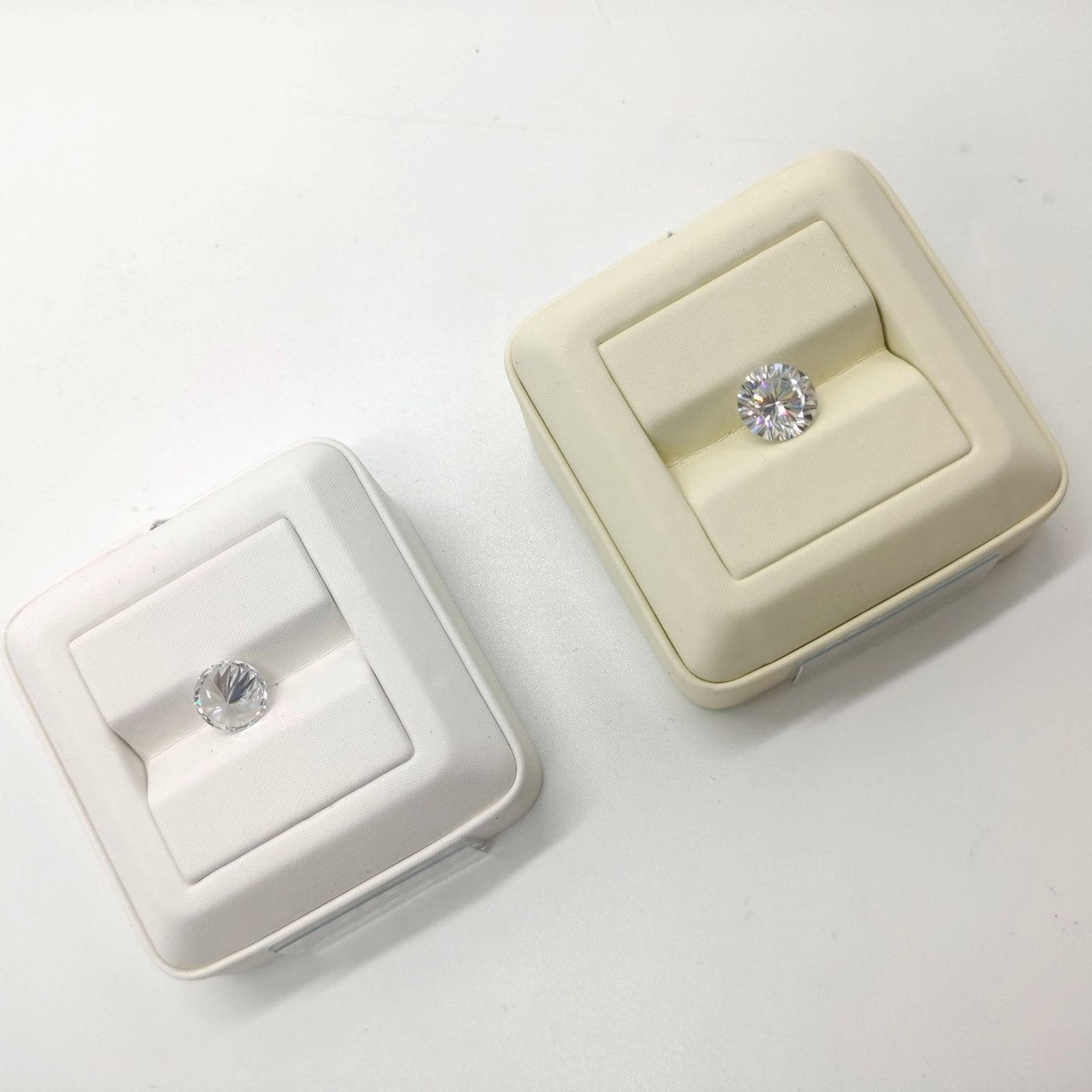
White and pale cream ring boxes with padded slots.
Define defect descriptions before goods arrive
Use clear descriptions and photographs for concerns such as exposed adhesive, damaged covering, loose decoration and incorrect inserts. Separate product protection failures from appearance disagreements. The buyer and supplier should understand which observations require immediate containment and which require further review. Do not invent a universal acceptance threshold for every packaging program.
Treat dimensions and jewelry fit as a named requirement in the comparison record. Show the current reference beside the proposed alternative. For the issue addressed in “Define defect descriptions before goods arrive”, change one relevant variable at a time. Record the product or component actually used in each comparison. Keep the original observations available after choosing a preferred option. Otherwise, a later purchaser may repeat an already rejected approach. Ask whether a change to dimensions and jewelry fit affects another requirement or packing task. Resolve that interaction before releasing the complete configuration. The aim is a decision others can follow without guesswork.
Choose samples through an agreed plan
Record the lot identity, carton selection and units examined so the inspection can be understood later. Avoid choosing only the topmost units from one convenient carton. Where a formal sampling standard is needed, select the applicable current plan with the responsible quality team. A casual spot check should be described honestly as a spot check.
Assign responsibility for surface and logo condition across the handover between teams. The person selecting an option may not perform the packing. Use “Choose samples through an agreed plan” as a review topic for the people responsible for selection and packing. Record any preparation or special handling the approved result requires. If a workaround is necessary, evaluate whether it is repeatable. Avoid leaving essential technique in one experienced operator’s memory. Include surface and logo condition in the practical handover instructions and first run review. When surface and logo condition is questioned, compare the documented design with the packing method. Review the assembled result before closing the action.
Check the package with actual products
Include the intended jewelry and accessories during fit inspection. Confirm that earring backs do not press against a hidden surface and a necklace clasp does not obstruct closure. Different product variants may challenge different areas. Keep the tested configuration in the inspection record rather than writing a broad fit approval with no supporting detail.
Document a nonconformance so it can be resolved
Record what was observed, where it occurred and which requirement it conflicts with. Include close photographs and the affected quantities that are actually known. Avoid extrapolating an exact defect rate from an informal review. Ask the supplier to address containment, cause and correction as distinct tasks, with responsibilities and dates for each.
Verify the correction rather than accepting reassurance
After rework or replacement, repeat the checks relevant to the original problem and any features the correction could affect. Cleaning adhesive may alter a surface; replacing an insert may change lid clearance. Keep original and corrected records linked. Release the goods only through the approval route agreed for the purchase.
Illustrative purchasing scenario
Consider an illustrative shipment in which the external cartons look intact, but several retail boxes show inconsistent insert placement. The receiving team first identifies the lot and records which cartons and units were examined. It does not announce an exact defect percentage from an informal handful of examples.
The team checks whether the problem affects appearance only or also changes jewelry support. It photographs the insert position before removing it and compares the construction with the retained approved sample. The record names the requirement that is not met, rather than describing the shipment as generally poor quality.
The supplier proposes a correction to the insert attachment process. Before accepting the response, the buyer asks how affected stock will be contained and how corrected units will be identified. The quality team reviews the corrected sample with actual jewelry and repeats the closure checks because moving the insert could alter lid clearance.
The shipment release decision follows the agreed responsibility route. The buyer retains the original observation, proposed cause and verification of the correction together. This example does not establish an acceptance threshold or replace a formal sampling plan. It shows why a useful inspection checklist connects an observation to a requirement, a product consequence and a verified response. A long list of ticked boxes would provide less value if it did not support those decisions.
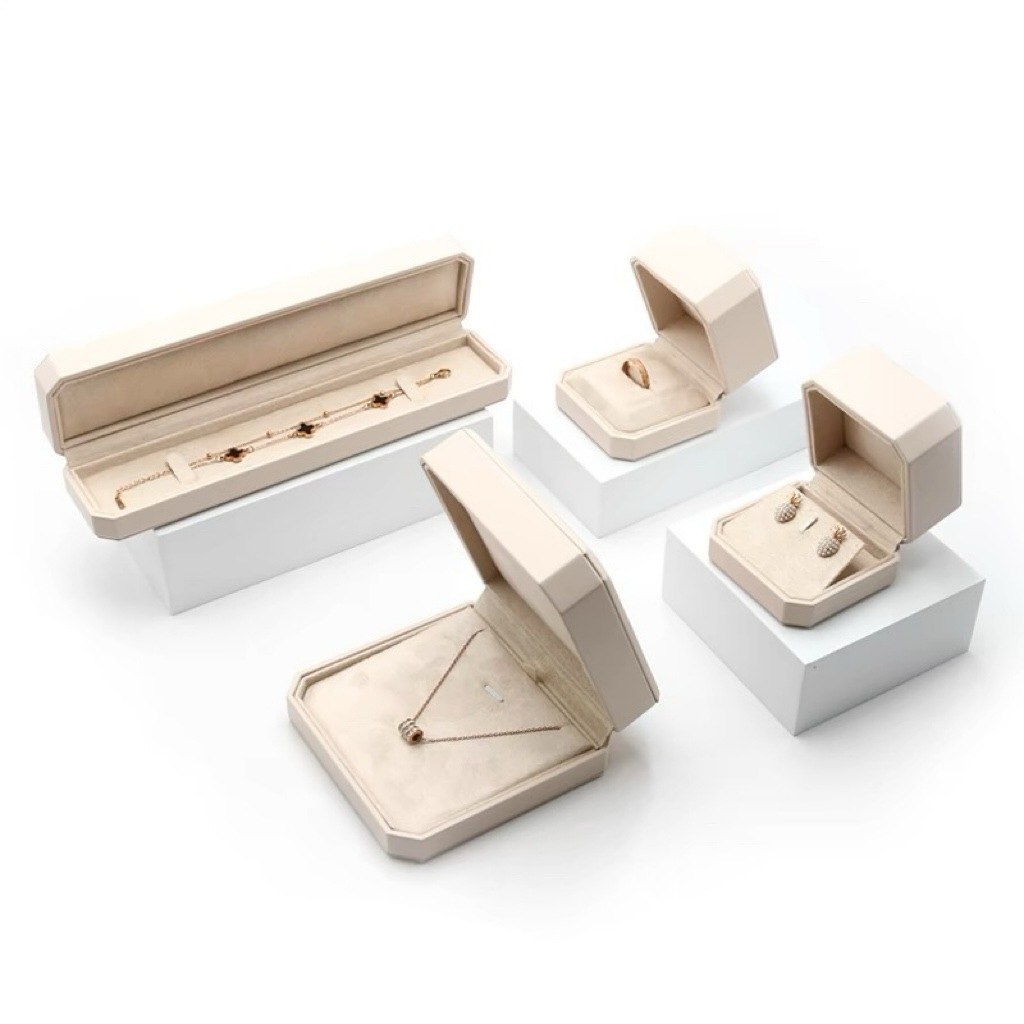
Beige presentation boxes for rings and longer jewelry pieces.
Buyer checklist
- · Quantity and SKU identification
- · Dimensions and jewelry fit
- · Surface and logo condition
- · Closure and retention
- · Included cards and accessories
- · Carton protection and release record
Practical example
A ring box with a clean exterior but a slot that lets the ring lean into the lid should be recorded as a functional fit failure. Replacing a photograph in the inspection report does not resolve the underlying insert problem.
Frequently asked questions
Should every box be opened?
That depends on the agreed risk and inspection plan. Define the approach before production rather than improvising at shipment.
Is a supplier inspection enough?
It may be part of the control system. The buyer should decide whether independent or receiving inspection is also needed for the order.
Discuss your packaging specification
Discuss your critical fit failures and cosmetic limits with OnTheWay Packaging before production, then use the approved samples to guide batch inspection.
Explore Custom Jewelry Packaging Samples or contact OnTheWay Packaging.


.png)
.png)
.png)

.png)

.png)