

Introduction:Why Packaging Has Become Part of Brand Identity
For modern jewelry brands, packaging is no longer treated as a secondary detail.
In many cases, customers encounter the packaging before they fully experience the jewelry itself. The weight of the box, the texture of the surface, and the presentation of the logo all influence how the brand is perceived.
This is one reason wooden jewelry boxes continue to maintain a strong presence in premium jewelry markets.
When combined with thoughtful logo integration, wooden packaging creates something that feels permanent, refined, and emotionally valuable.
The packaging becomes more than a container—it becomes part of the brand story.
Wood has a unique emotional quality that many other packaging materials cannot fully replicate.
Unlike paper or plastic, wood naturally communicates:
- craftsmanship
- durability
- warmth
- timelessness
Even before a logo is added, a well-finished wooden jewelry box already creates a sense of higher perceived value.
This is especially important in:
- engagement jewelry
- anniversary gifts
- luxury collections
- heritage-inspired brands
Wooden packaging often feels less disposable and more collectible, which strengthens the customer’s emotional attachment to the brand.
A logo transforms packaging from generic presentation into branded experience.
Without branding, even beautiful packaging can feel anonymous. But once a logo is carefully integrated, the packaging begins reinforcing memory and recognition.
In luxury packaging, the logo is rarely used aggressively.
Instead, premium branding often focuses on:
- subtle placement
- clean execution
- balance with materials
- long-term visual consistency
The goal is not to make the logo louder—but to make the brand feel more refined.
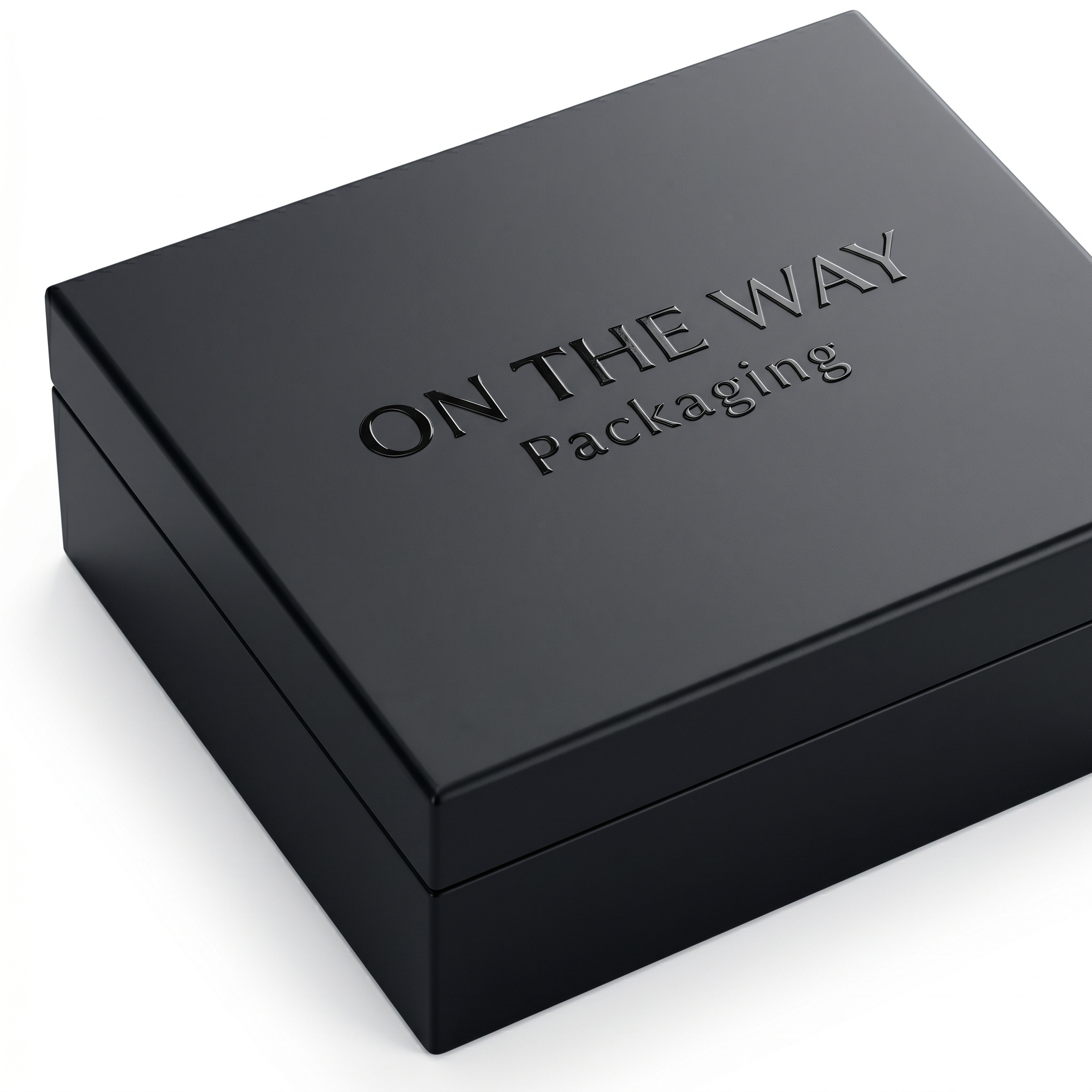
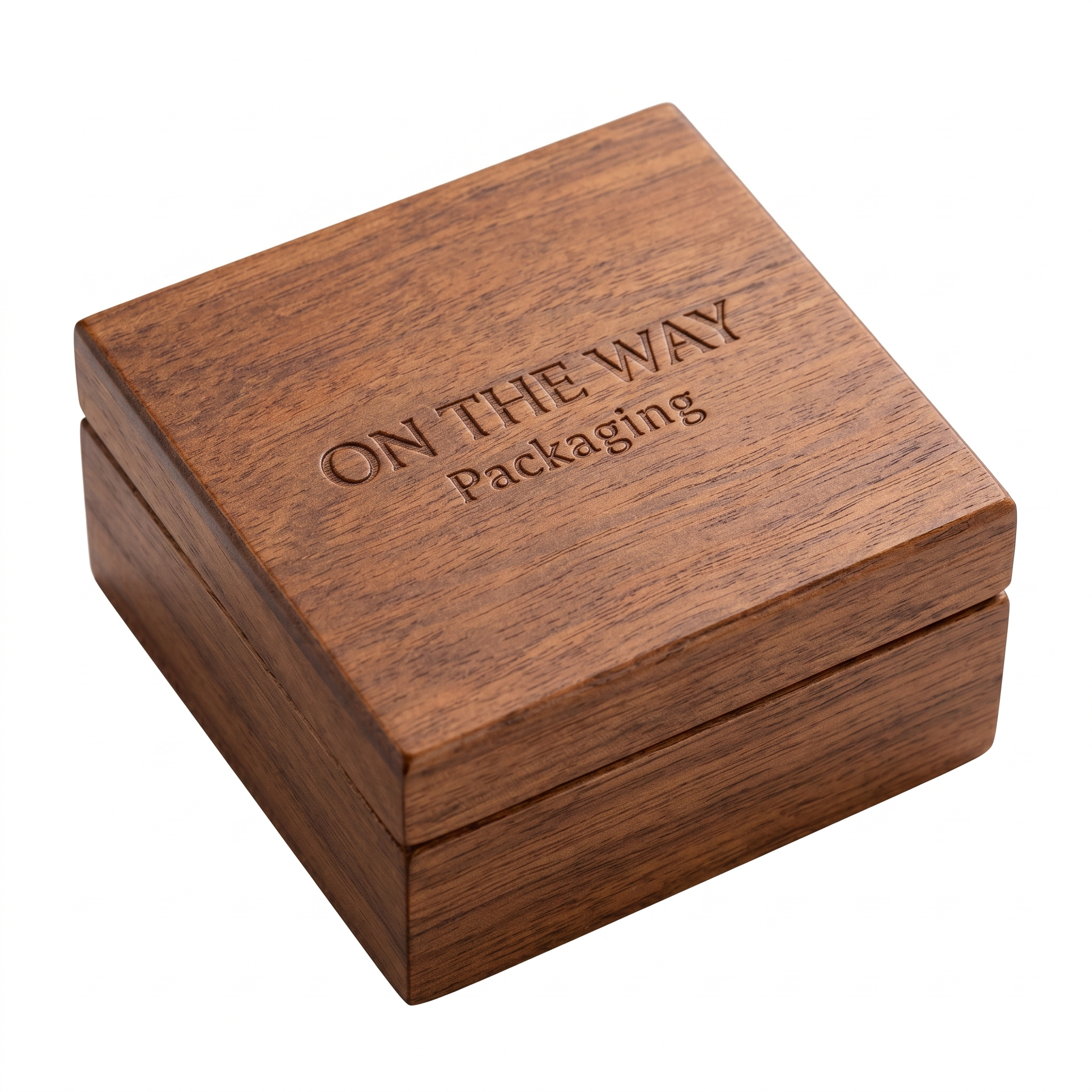
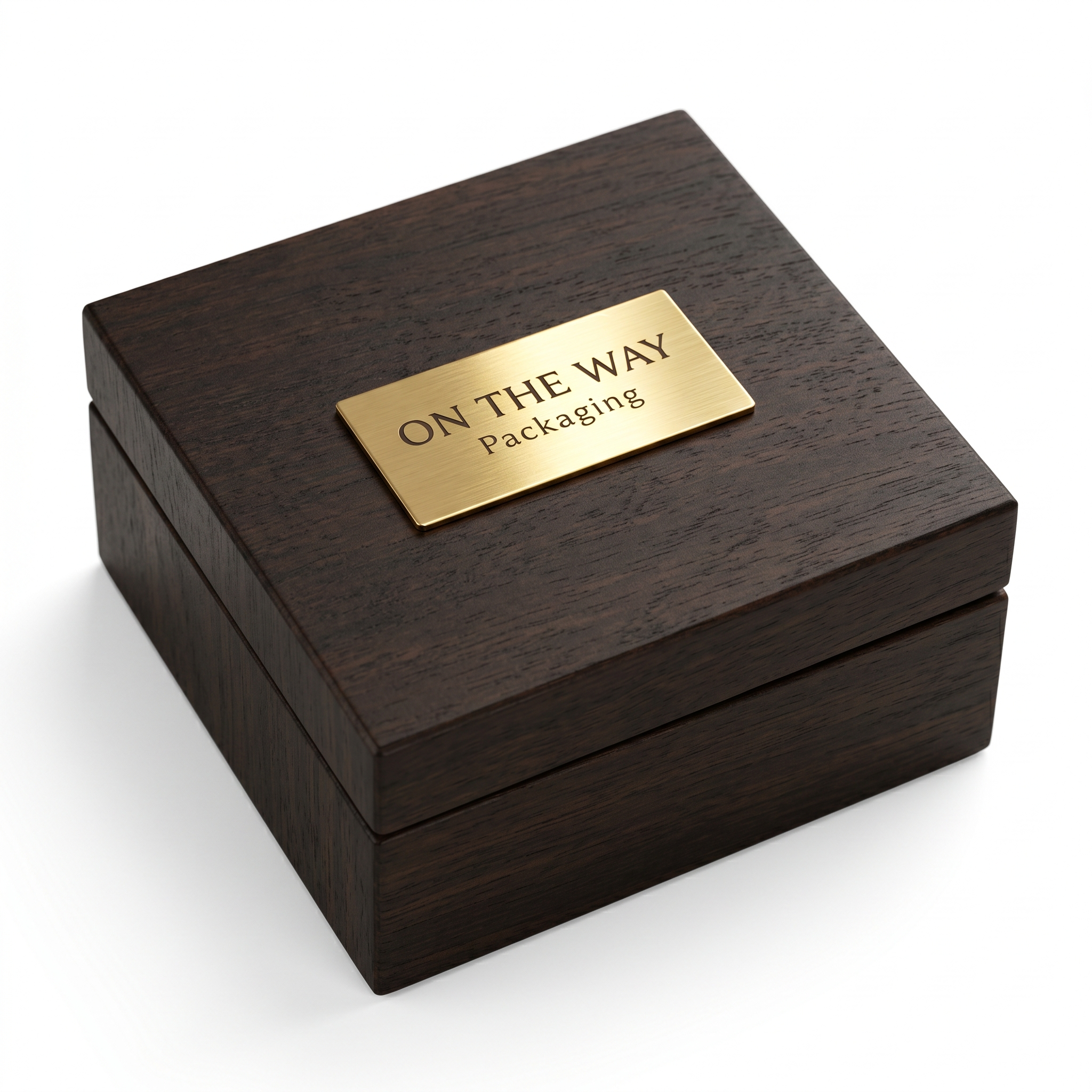
Different logo applications create different emotional effects.
Laser Engraving
One of the most timeless and understated options.
Foil Stamping
Often used to create stronger visual contrast on darker wood finishes.
Metal Logo Plates
Common in luxury or heritage-style packaging.
Minimal Printed Branding
Used by modern brands that prefer softer visual expression.
The best branding applications usually feel integrated into the packaging rather than added on top of it.
The wood finish dramatically changes how packaging is perceived.
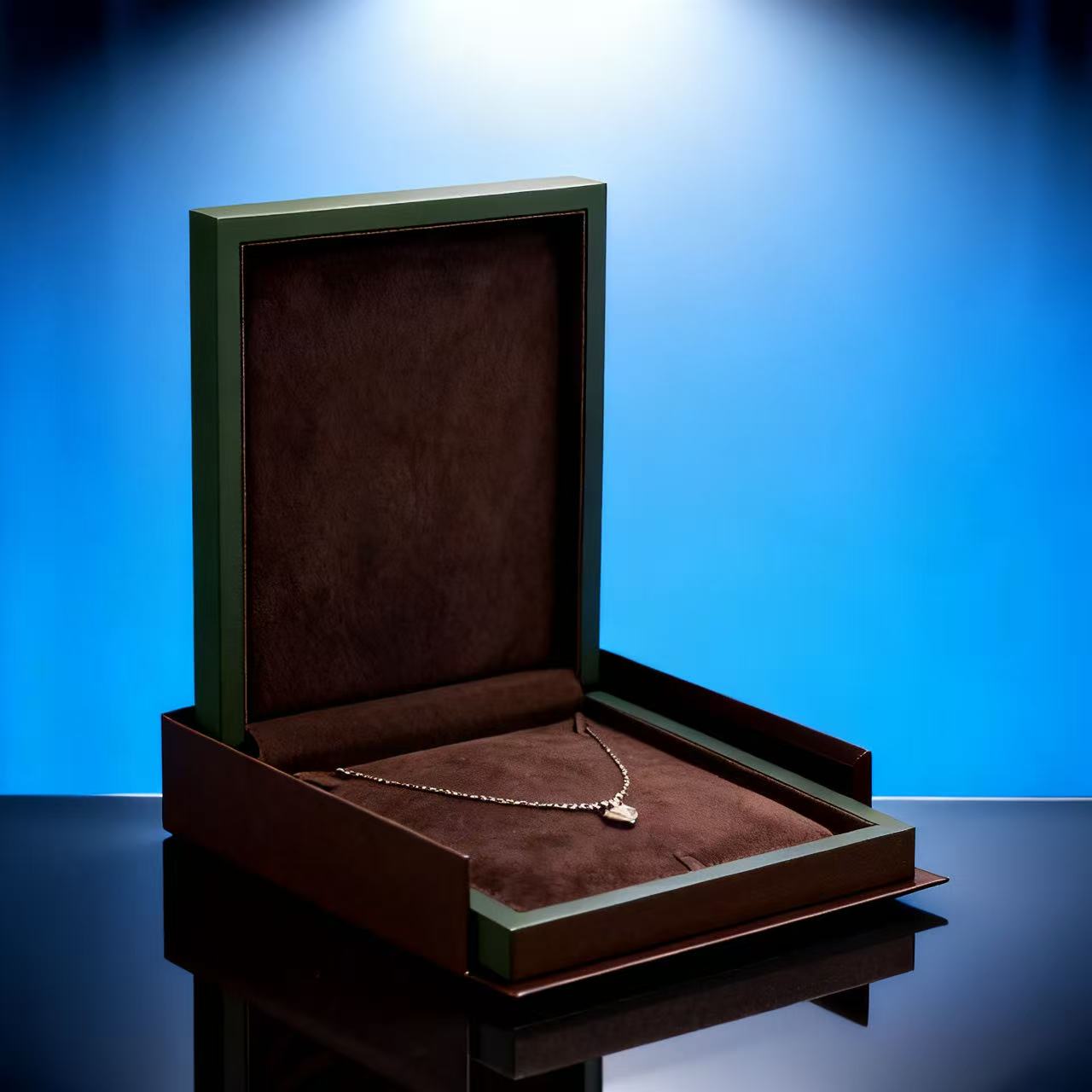
Matte Walnut Finishes
Often associated with modern luxury and minimalism.
Glossy Dark Wood
Creates a more formal and traditional luxury feel.
Natural Oak Tones
Feel softer, lighter, and more contemporary.
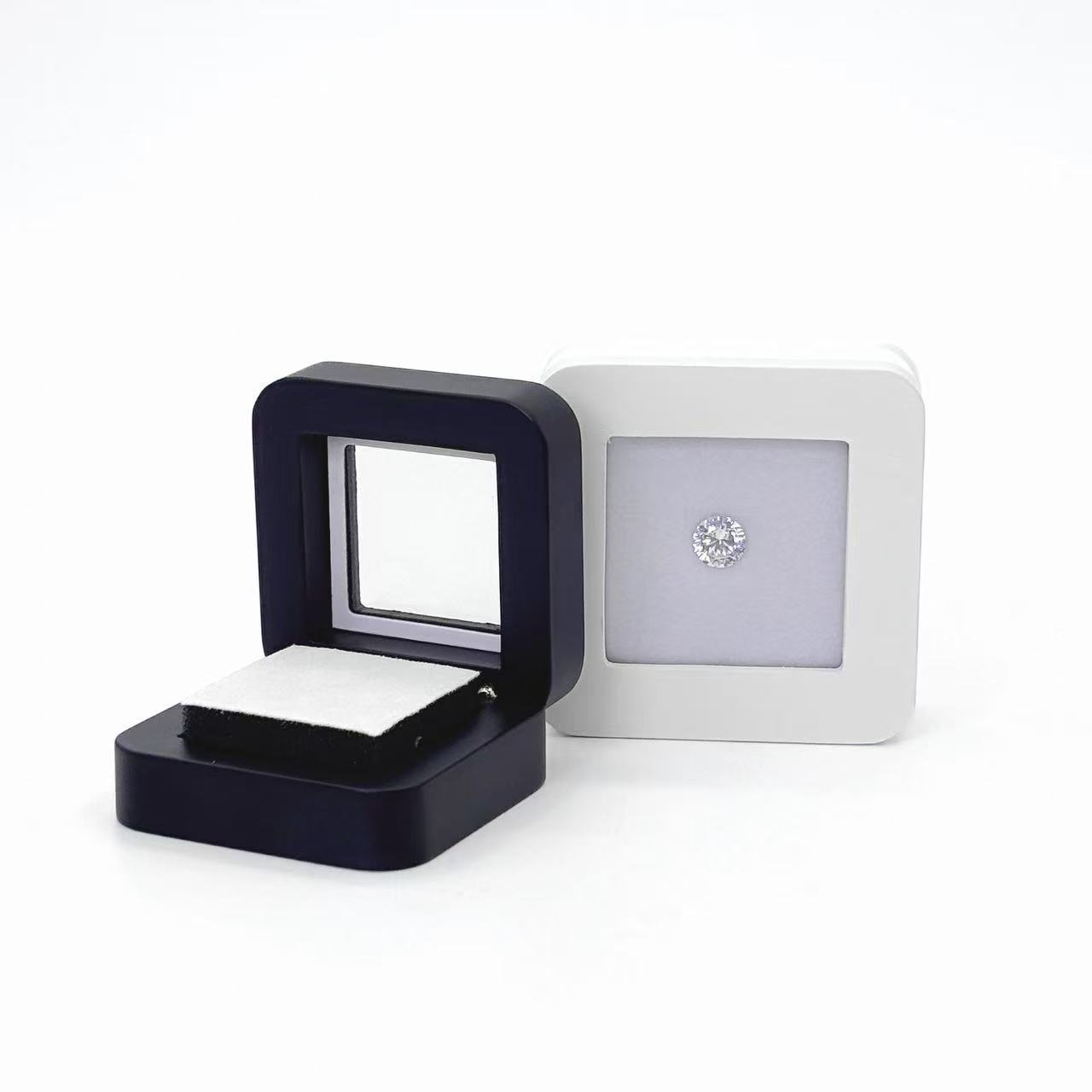
Black-Stained Wood
Popular among modern jewelry and fashion-oriented brands.
The finish should support the emotional tone of the brand rather than simply follow trends.
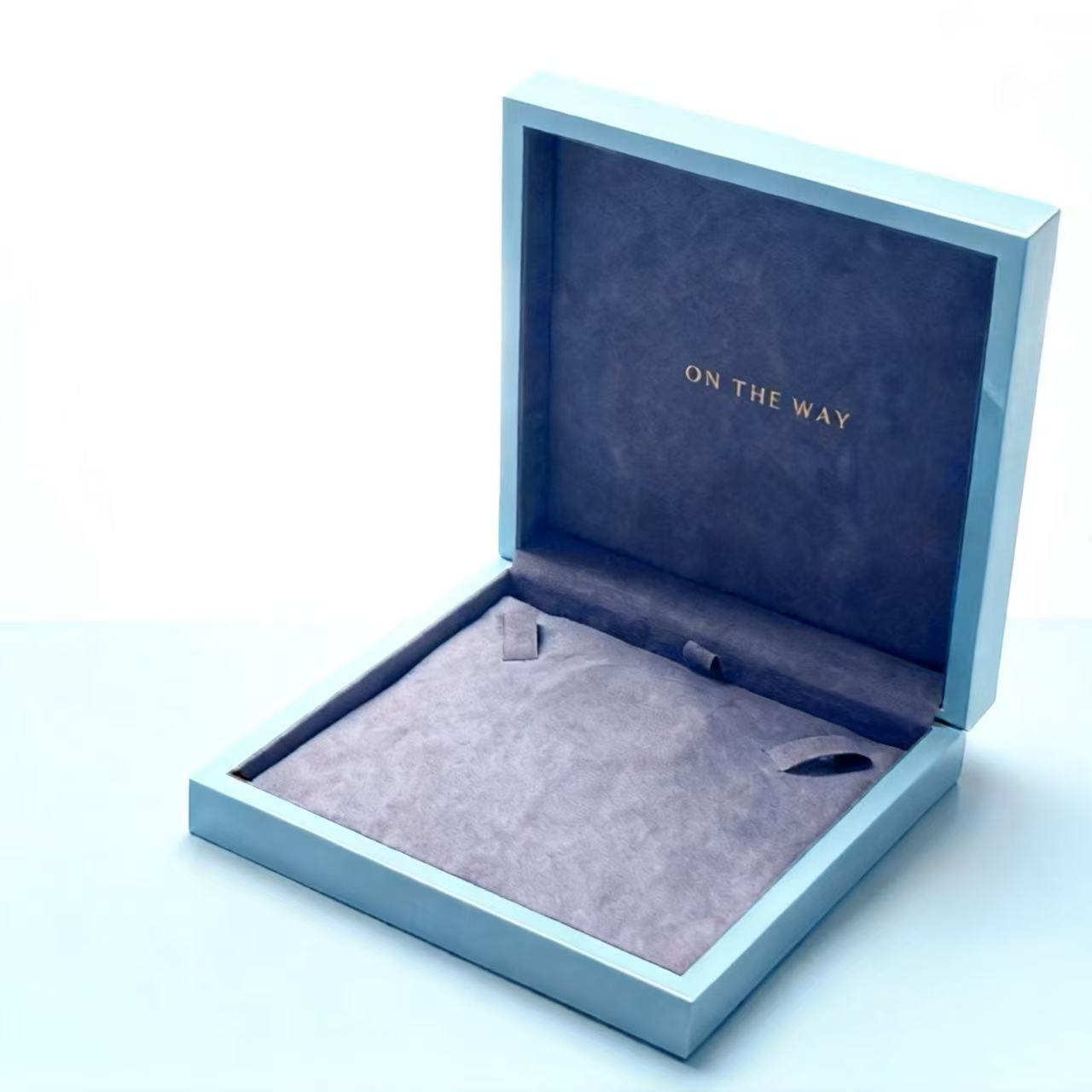
Luxury packaging design has become noticeably more restrained in recent years.
Instead of oversized branding and highly decorative surfaces, many brands now prefer:
- cleaner structures
- quieter colors
- tactile textures
- subtle detailing
This shift reflects broader luxury trends where sophistication is communicated through precision and simplicity rather than visual excess.
Wooden packaging works especially well within this modern approach because the material itself already carries visual depth.
Packaging is no longer static—it has become experiential.
Customers remember:
- how the box opens
- the resistance of the hinge
- the softness of the interior
- the contrast between wood and fabric
- the moment they first see the jewelry
These details create emotional memory.
For jewelry brands, this is extremely valuable because emotional connection often influences repeat purchasing and brand loyalty.
Strong brands rarely create packaging piece by piece.
Instead, they develop cohesive collections that include:
- ring boxes
- necklace boxes
- bracelet packaging
- watch boxes
- gift presentation packaging
Using consistent wood finishes, logo treatments, and interior materials creates a stronger and more recognizable visual identity.
Over time, customers begin associating the packaging itself with the brand experience.
Luxury wooden packaging requires more than visual design.
The production process often involves:
- wood selection
- finish testing
- logo sampling
- structural refinement
- interior material matching
The challenge is maintaining visual quality while ensuring scalability and consistency in production.
This is why experienced packaging development matters—especially for brands focused on long-term growth.
Conclusion
A wooden jewelry box with logo combines material craftsmanship with brand identity in a way few packaging formats can achieve.
For modern jewelry brands, this type of packaging offers more than protection. It creates emotional value, enhances perceived luxury, and strengthens customer memory.
In increasingly competitive jewelry markets, packaging is no longer separate from branding—it has become one of its most visible forms.
FAQ
Q1. Why are wooden jewelry boxes considered premium?
Because wood naturally communicates craftsmanship, durability, and luxury.
Q2. What logo techniques work best on wooden jewelry boxes?
Laser engraving, foil stamping, and metal logo plates are very popular.
Q3. Can wooden jewelry boxes be fully customized?
Yes, including structure, finish, logo, and interior materials.
Q4. What wood finishes are commonly used?
Walnut, oak, black-stained wood, and matte finishes are widely used.
Q5. Why do luxury jewelry brands use wooden packaging?
Because it enhances perceived value and creates a stronger emotional experience.


.png)
.png)
.png)

.png)

.png)