

Introduction:
The best material for a jewelry box depends on what the box needs to communicate: luxury, sustainability, softness, durability, affordability, or retail visibility. Most successful packaging combines several materials rather than relying on one surface alone.
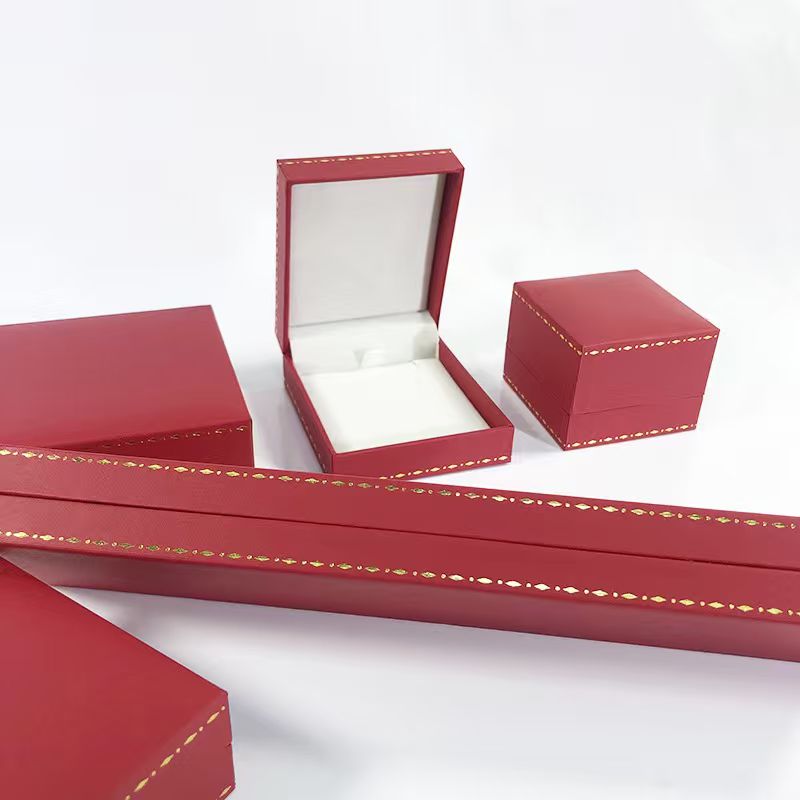
Rigid paperboard is one of the most flexible materials for jewelry boxes. It can support many structures, colors, prints, textures, and logo finishes. It is suitable for rings, earrings, necklaces, bracelets, and gift sets.
For brands that need a balance of custom design and cost control, rigid paperboard is often the first material to evaluate.
- · Good for custom printing.
- · Works with many structures.
- · Light enough for shipping.
- · Suitable for premium and mid-range collections.
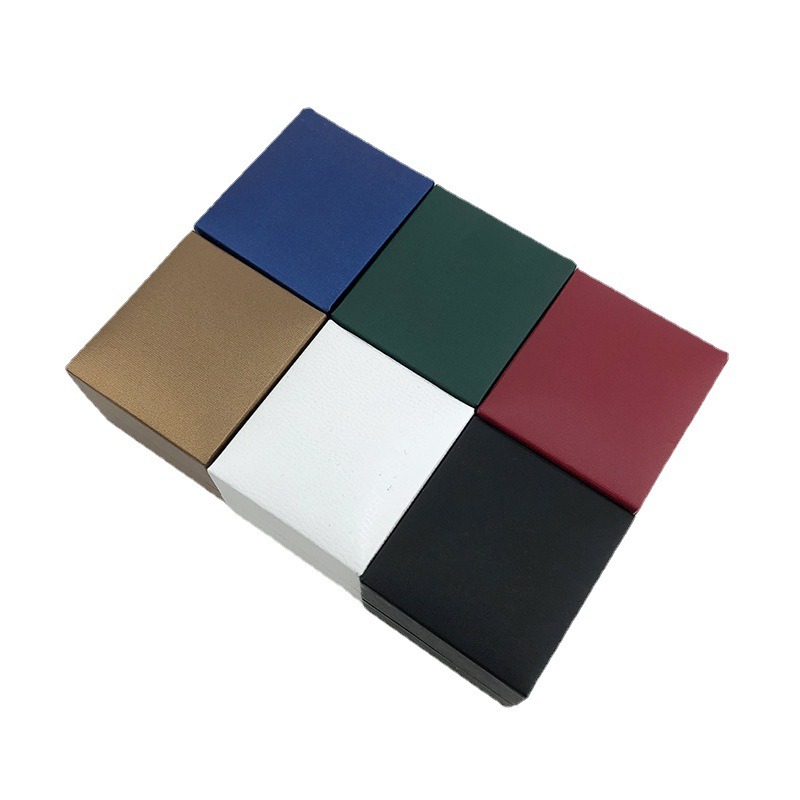
Leatherette creates a refined surface and is widely used for ring boxes, necklace boxes, bracelet boxes, and luxury presentation boxes. It can be smooth, textured, matte, or slightly glossy depending on brand style.
It is often more scalable than genuine leather because colors and textures are easier to repeat in production.
- · Suitable for logo stamping.
- · Strong tactile impression.
- · Good for gift and retail display.
- · Available in many color directions.
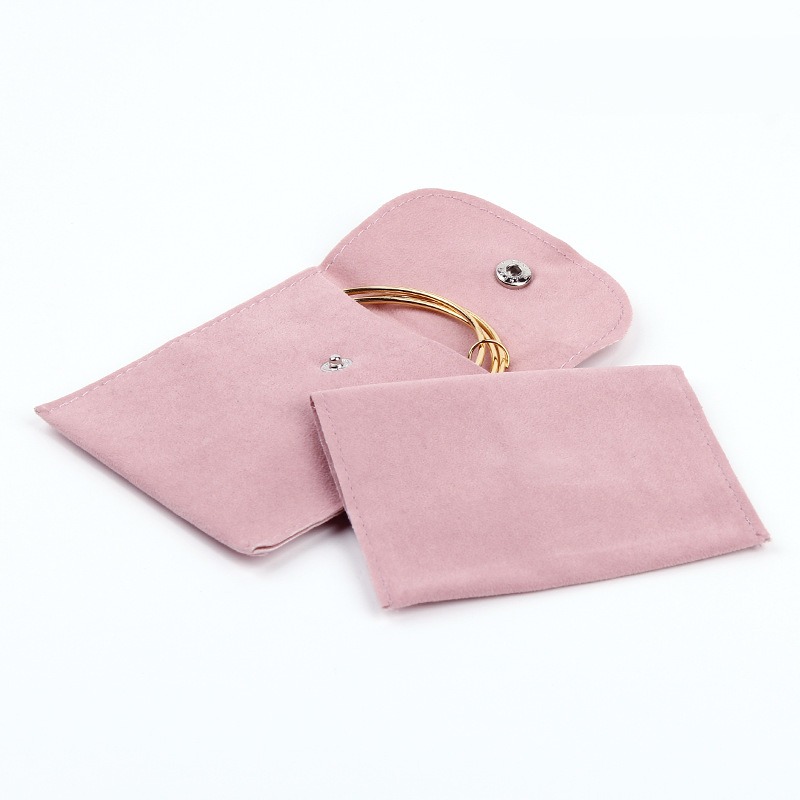
Interior materials affect the moment the customer sees the jewelry. Velvet feels traditional and plush. Suede creates a softer luxury tone. Microfiber looks neat and modern. Satin adds shine and is often used for pouches or softer presentation.
Choose the lining by considering jewelry surface, color contrast, and photography needs.
- · Velvet for classic luxury.
- · Suede for soft premium mood.
- · Microfiber for clean modern interiors.
- · Satin for pouches and gift softness.
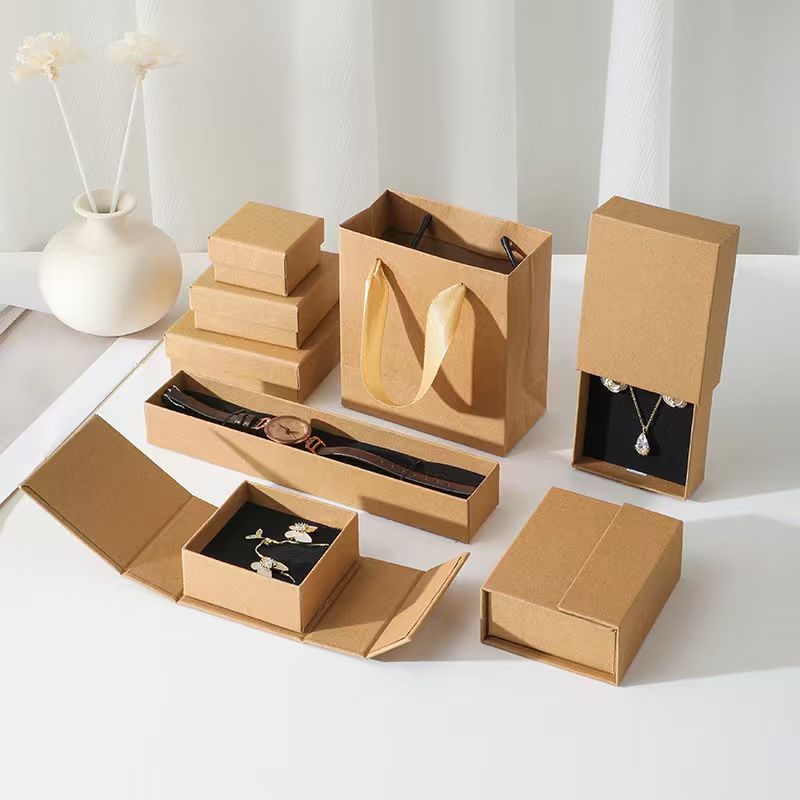
Kraft and recycled paper materials work well for handmade jewelry, artisan collections, eco-conscious brands, and simple online packaging. The challenge is to keep the design intentional so the result looks natural, not unfinished.
Use clean printing, smart inserts, and a clear sustainability message if this material direction is part of your brand promise.
- · Kraft paper boxes.
- · Recycled paper inserts.
- · Minimal ink coverage.
- · Simple branded stickers or sleeves.
Recommended Internal Links
FAQ
What is the most common material for jewelry boxes?
Rigid paperboard and leatherette are both common because they support many styles, structures, and customization methods.
What material looks most luxurious for jewelry boxes?
Leatherette with velvet or suede lining often creates a premium look, while rigid paperboard with high-quality finish can also look luxurious.
Are kraft jewelry boxes good for premium brands?
They can be, especially for natural, handmade, or sustainability-focused brands when the design is clean and intentional.


.png)
.png)
.png)

.png)

.png)