

Custom jewelry box cost combines structure, materials, inserts, decoration, assembly and order setup. Freight and defects also affect the cost per usable box. Compare the same approved specification before deciding that one supplier or material is cheaper.
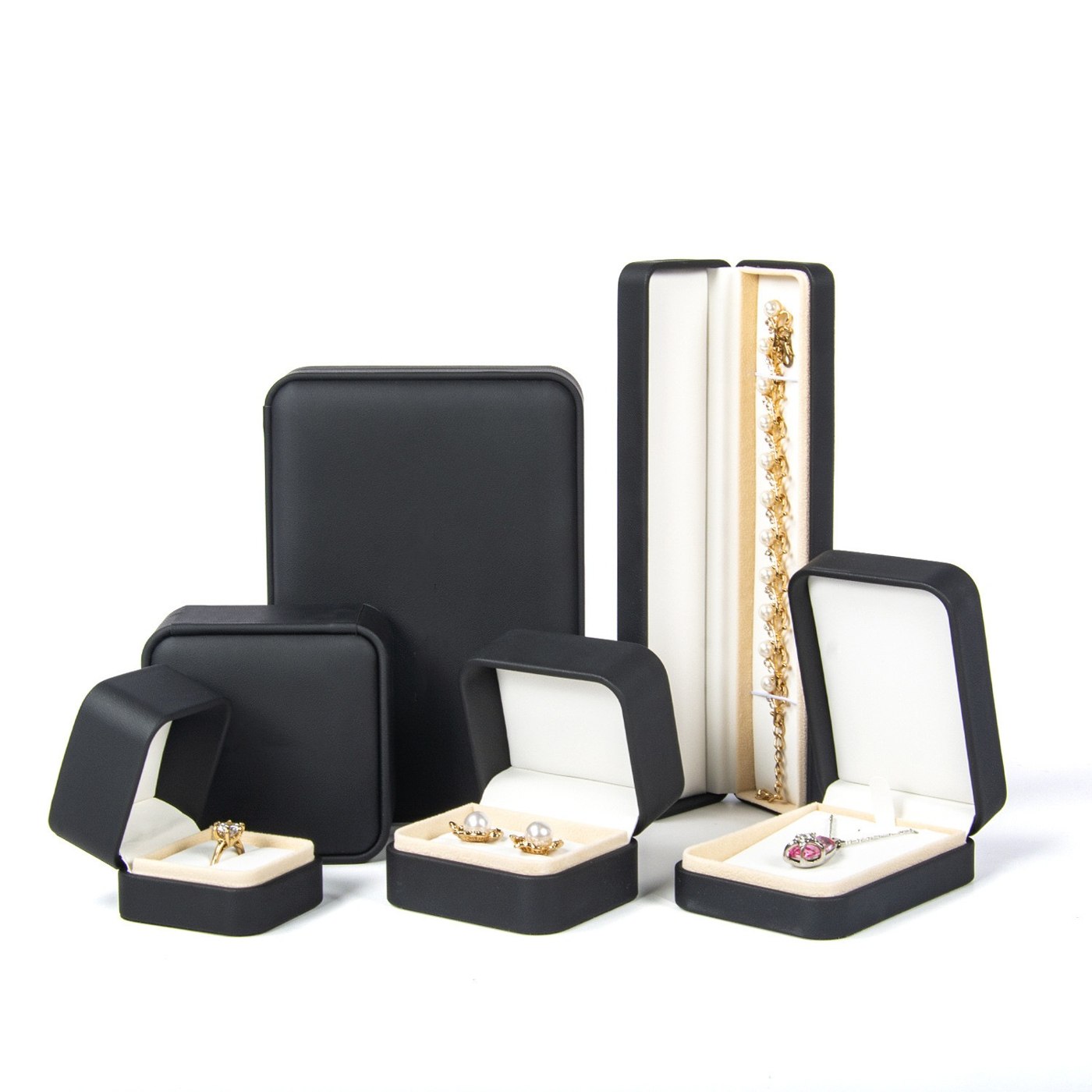
Separate recurring and one time costs
The recurring unit cost covers the materials and work needed for each box. Setup costs may include cutting tools, logo dies and sampling. Ask who owns the tools and whether they can be used on repeat orders. A low unit price with large setup charges may suit a long production run but offer poor value for a small launch.
Identify the design choices that change cost
A deeper box uses more covering material and shipping space. A multi piece insert can increase cutting and assembly work. Extra logo locations require additional operations even when the design uses only one color. Ask for a baseline quotation and price each optional feature separately. This makes value engineering specific rather than a vague request to reduce quality.
Compare usable units rather than ordered units
Divide the total relevant cost by the number of boxes you can actually use. Include agreed inspection, replacement handling and expected damage only when supported by records. Do not assume that all expensive boxes are reliable or all inexpensive boxes are risky. Sample performance and batch consistency provide better evidence than price alone.
Reduce cost without losing the purchase experience
Start with hidden complexity: unnecessary height, too many sizes, decorative layers that obstruct opening, or a custom insert for a product already served by a shared format. Preserve the features customers touch and notice. Test any simplified construction with the jewelry before approving it, especially when board thickness or insert retention changes.
Build the cost model around the assembled unit
List the box shell, covering, insert, decoration and accessories as separate cost drivers. A compact box with a complex insert can require a different allocation of work from a larger plain box. Describe the assembly steps as well as the visible materials. This helps explain differences that a price per box alone cannot reveal.
For box and insert unit price, define the decision before collecting more samples. Identify who needs the result and what they can approve. In the review titled “Build the cost model around the assembled unit”, record the unresolved assumptions. For box and insert unit price, ask which actual configuration the current evidence covers. Keep observations separate from preferences and proposed alternatives. If an answer remains incomplete, assign a follow up owner. Keep the agreed requirement for box and insert unit price visible in the purchase record. Give the next reviewer enough context to reproduce the comparison. Do not rely on a verbal assurance alone.
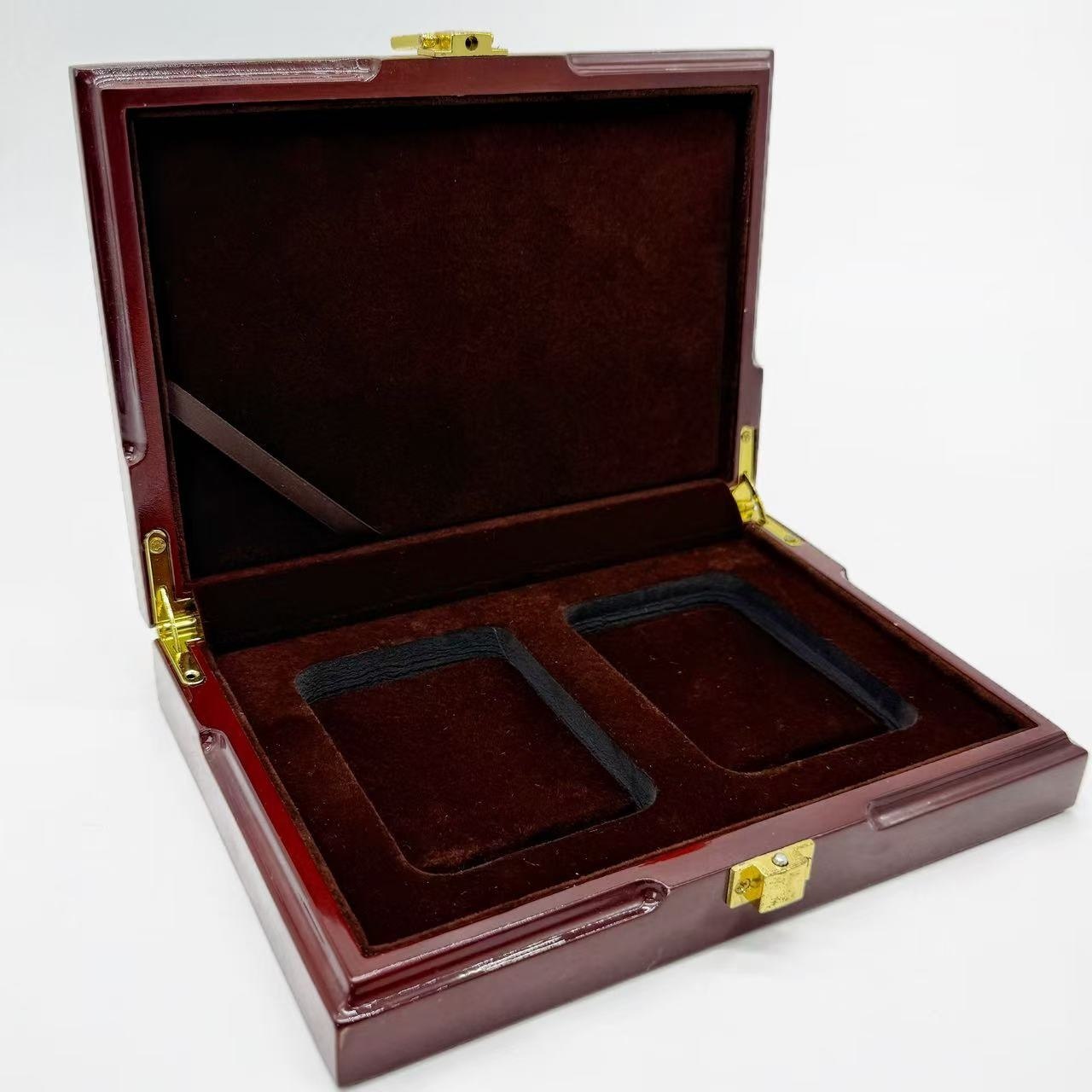
Separate recurring costs from project charges
Treat an artwork adjustment, a sample charge and a production unit price as different categories. Ask whether a charge applies once, repeats with every order, or changes when the logo size changes. Keep the quotation currency beside each amount. A low unit price can be less attractive when a small first order carries substantial setup costs.
Treat setup and tooling ownership as a named requirement in the comparison record. Show the current reference beside the proposed alternative. For the issue addressed in “Separate recurring costs from project charges”, change one relevant variable at a time. Record the product or component actually used in each comparison. Keep the original observations available after choosing a preferred option. Otherwise, a later purchaser may repeat an already rejected approach. Ask whether a change to setup and tooling ownership affects another requirement or packing task. Resolve that interaction before releasing the complete configuration. The aim is a decision others can follow without guesswork.
Compare alternatives without changing every variable
Request an alternative covering while retaining the same dimensions, insert and order quantity. Then compare a simpler insert using the original covering. Changing several specifications simultaneously hides the source of the saving. Keep a baseline version in the comparison sheet so a cheaper option can be evaluated against the functions the customer actually needs.
Account for packing labor and usable output
A flat delivery may reduce storage demand but require more local assembly. A preassembled box may cost more to transport while reducing work at the packing bench. Compare the full process rather than judging one factory price. Ask who inserts the care card, applies labels and checks the jewelry before the order is dispatched.
Model more than one purchasing scenario
Use illustrative low, expected and high order quantities based on the brand’s own plans. Calculate the total cash commitment for each specification, including separately quoted project charges. Do not assume that a lower unit price makes a larger order economical if the extra stock will remain unused. Record the assumptions so finance can challenge them.
Protect the decision from undocumented substitutions
When a cost reduction is accepted, name the changed component and the corresponding approval requirement. Thinner board, a simpler pull tab or fewer print colors each creates a different tradeoff. Keep the rejected alternatives too. A later reorder should not accidentally restore an expensive feature or remove a function that justified the original design.
Illustrative purchasing scenario
Imagine a retailer comparing two illustrative box proposals for the same ring collection. The first has a lower unit price but lists separate decoration and sample charges. The second includes those items but uses a different insert. Comparing the two unit prices immediately would obscure both commercial and technical differences.
The retailer creates a baseline configuration containing the approved shell size, support, logo position and individual packing. It asks each supplier to identify the cost of meeting that same configuration. It also records which charges repeat on a reorder and which relate to the first project only. No assumed factory rate is needed to organize the comparison.
Next, the fulfillment team reviews the proposed delivery states. One option requires inserting the support locally; the other arrives assembled. The retailer times its own practical packing trial and adds that operating work to the decision. It keeps the trial estimate separate from the supplier quotation so neither is mistaken for a confirmed manufacturing charge.
Finally, purchasing compares the first order commitment with the likely reorder commitment. The preferred option may differ depending on the brand’s demand and staffing. The example illustrates a way to expose cost drivers rather than a claim that either construction is always cheaper. A useful cost breakdown should make the decision understandable even when a different team member reviews it several months later.
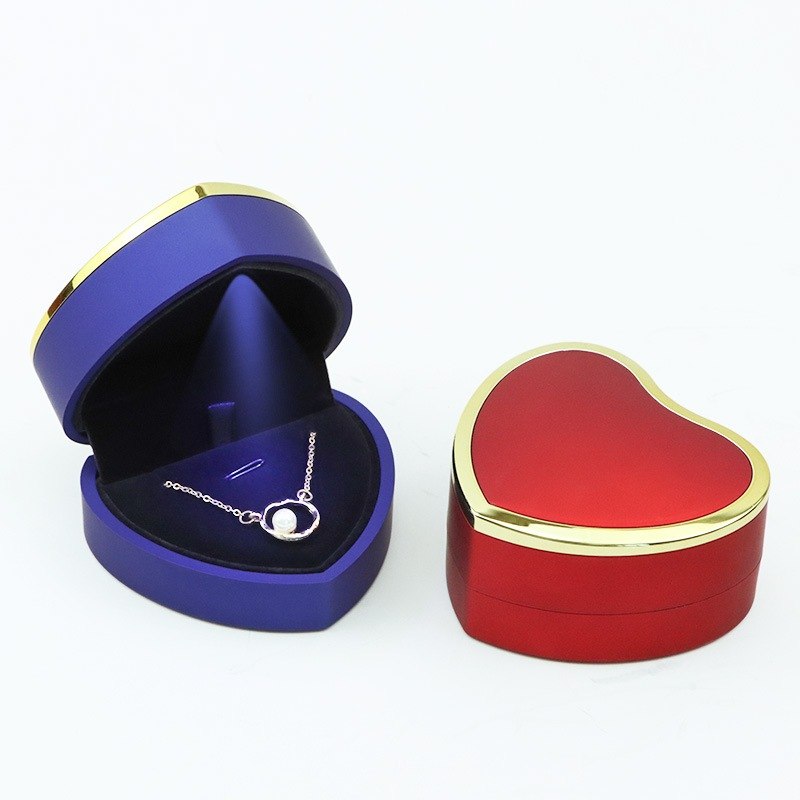
Buyer checklist
- · Box and insert unit price
- · Setup and tooling ownership
- · Decoration locations
- · Assembly and individual packing
- · Master carton volume
- · Usable units after inspection
Practical example
Illustrative arithmetic: a 1200 currency unit setup spread across 600 boxes adds 2 per box; spread across 2400 boxes it adds 0.50. This demonstrates cost allocation only and is not an OnTheWay quotation.
Frequently asked questions
Is a smaller box always less expensive?
It can reduce material and volume, but the insert, assembly and tooling may still dominate. Compare a revised quotation.
Should I remove the insert to save money?
Only if another method holds the jewelry securely and protects it during handling. An empty cavity can increase movement and damage.
Discuss your packaging specification
Ask OnTheWay Packaging to price a baseline box and its optional features separately, so you can see which design choices change the total cost.
Explore Custom Jewelry Boxes with Logo or contact OnTheWay Packaging.


.png)
.png)
.png)

.png)

.png)