

Introduction: Why Diamond Trays Matter in Jewelry Operations
In the jewelry and gemstone industry, organization is directly connected to efficiency and presentation quality.
Diamonds and gemstones are small, delicate, and highly valuable products. Without proper handling systems, even routine operations such as sorting, display, storage, and customer presentation can become inefficient or risky.
This is why diamond trays remain essential tools throughout the jewelry supply chain.
From diamond wholesalers and jewelry retailers to gemstone grading companies, professional tray systems help improve:
- product organization
- operational accuracy
- display consistency
- customer presentation
As the jewelry industry becomes increasingly detail-focused, demand for high-quality diamond trays continues to grow worldwide.
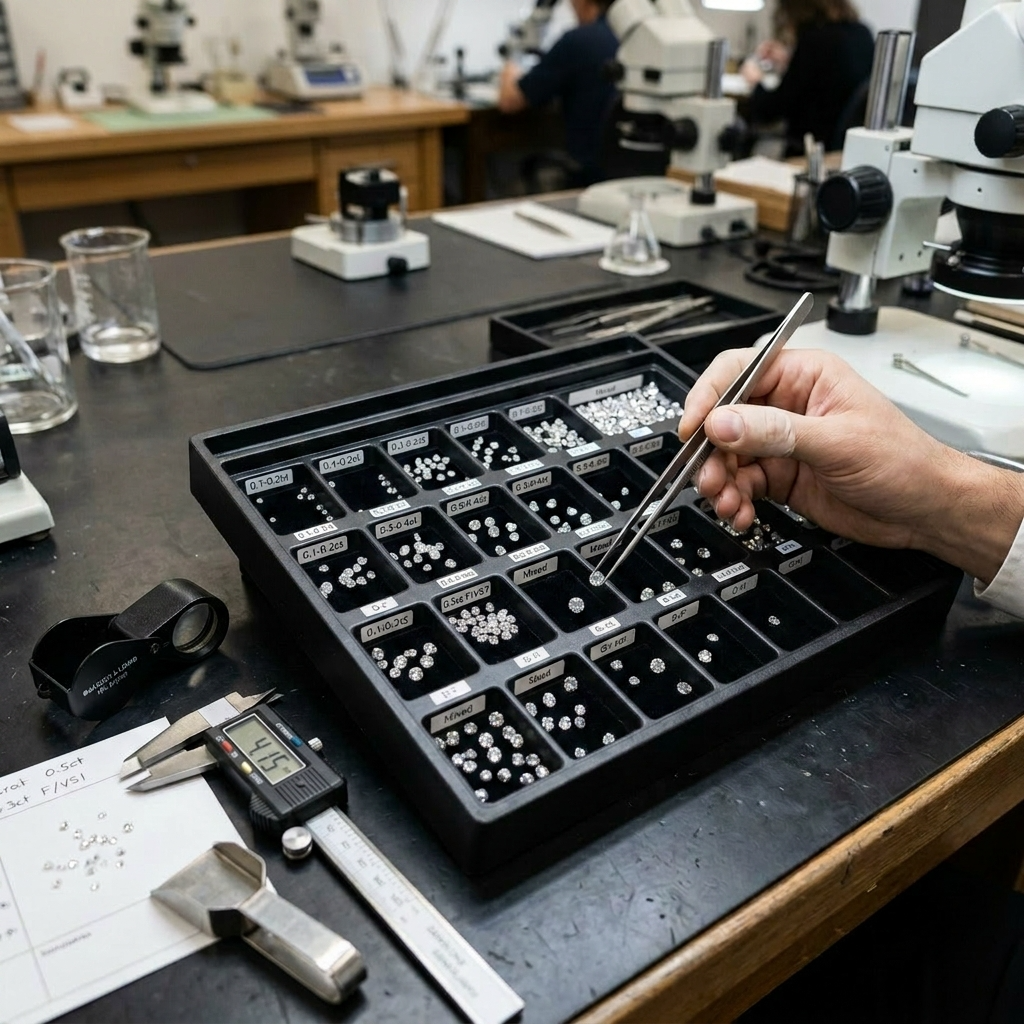
A diamond tray is a specialized display and organization tray designed for gemstones, diamonds, and fine jewelry components.
Unlike general storage trays, diamond trays are designed specifically to:
- protect delicate surfaces
- organize small items precisely
- improve visibility during sorting
- support retail or showroom presentation
Most diamond trays feature:
- compartment layouts
- soft protective surfaces
- stackable structures
- removable inserts
They are commonly used in:
- jewelry stores
- gemstone trading offices
- diamond sorting operations
- exhibition displays
- manufacturing workshops
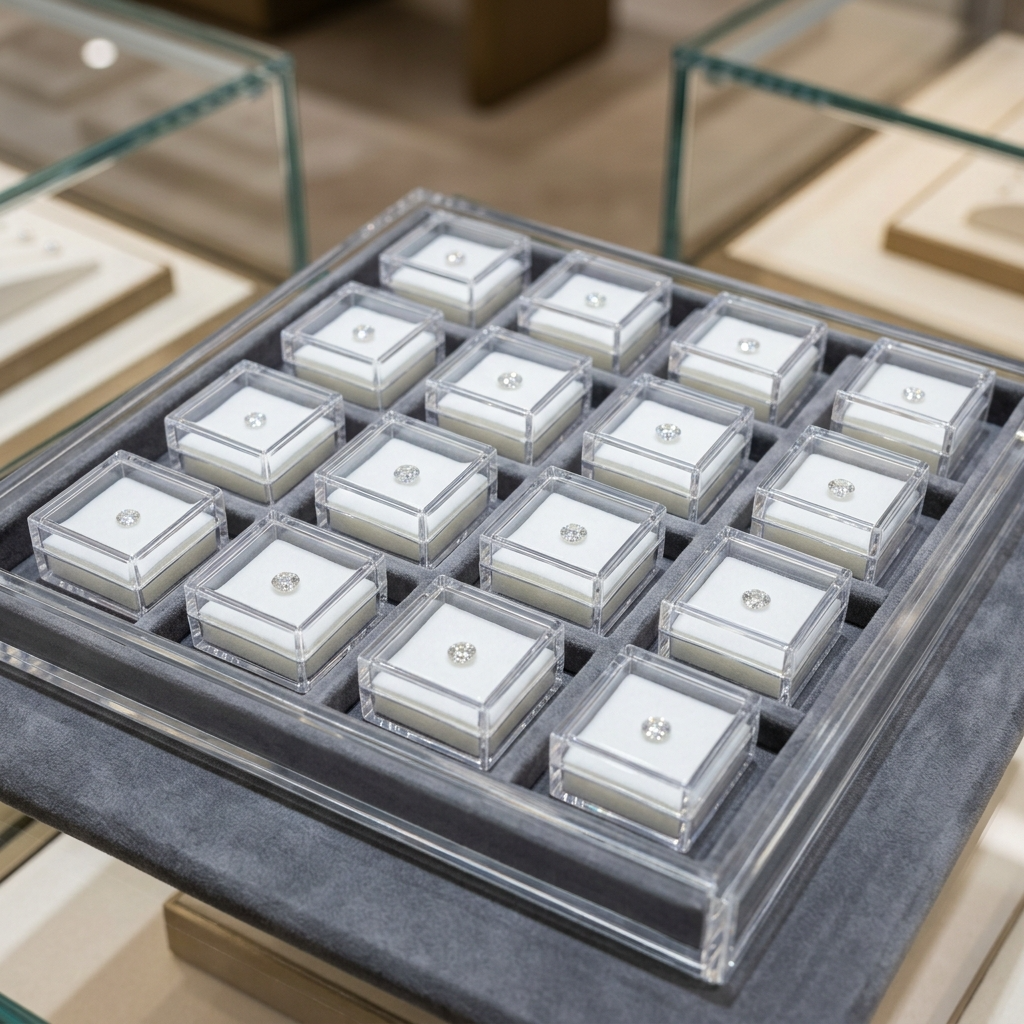
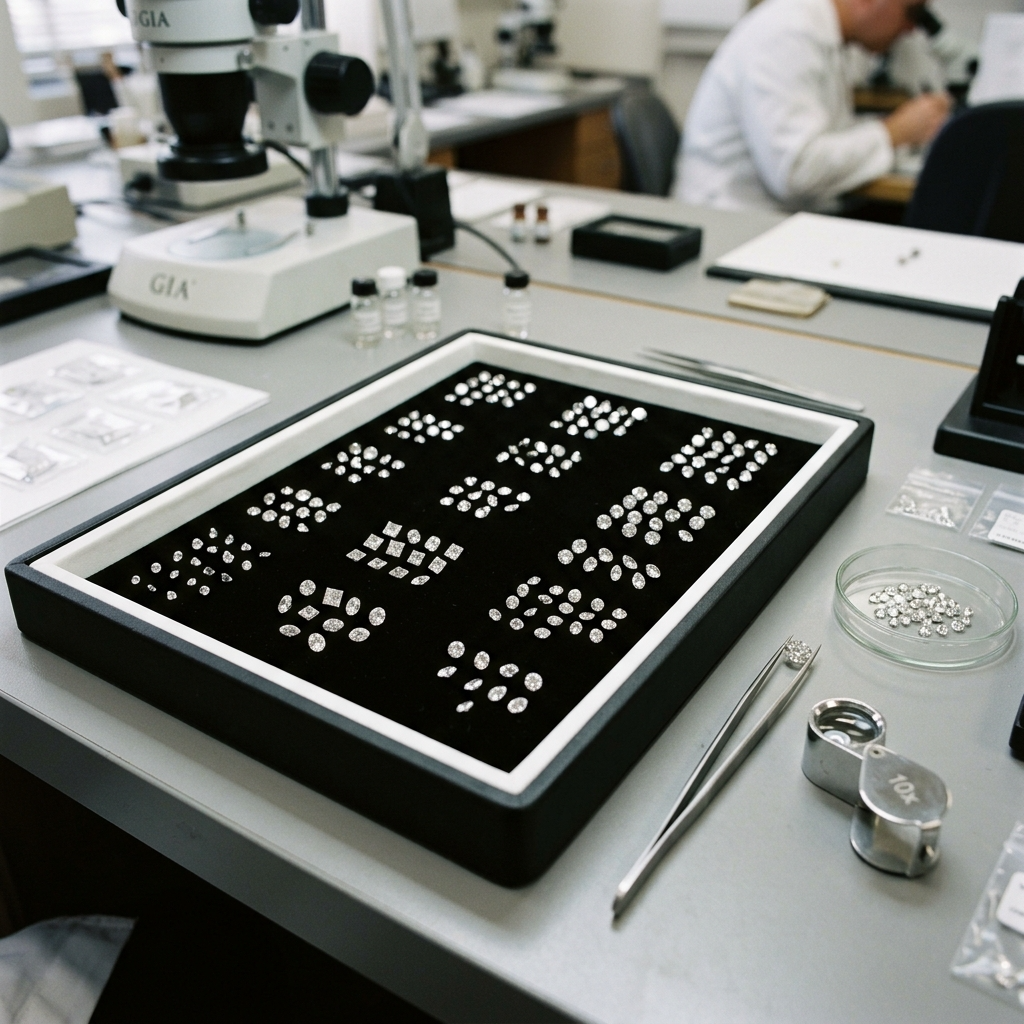
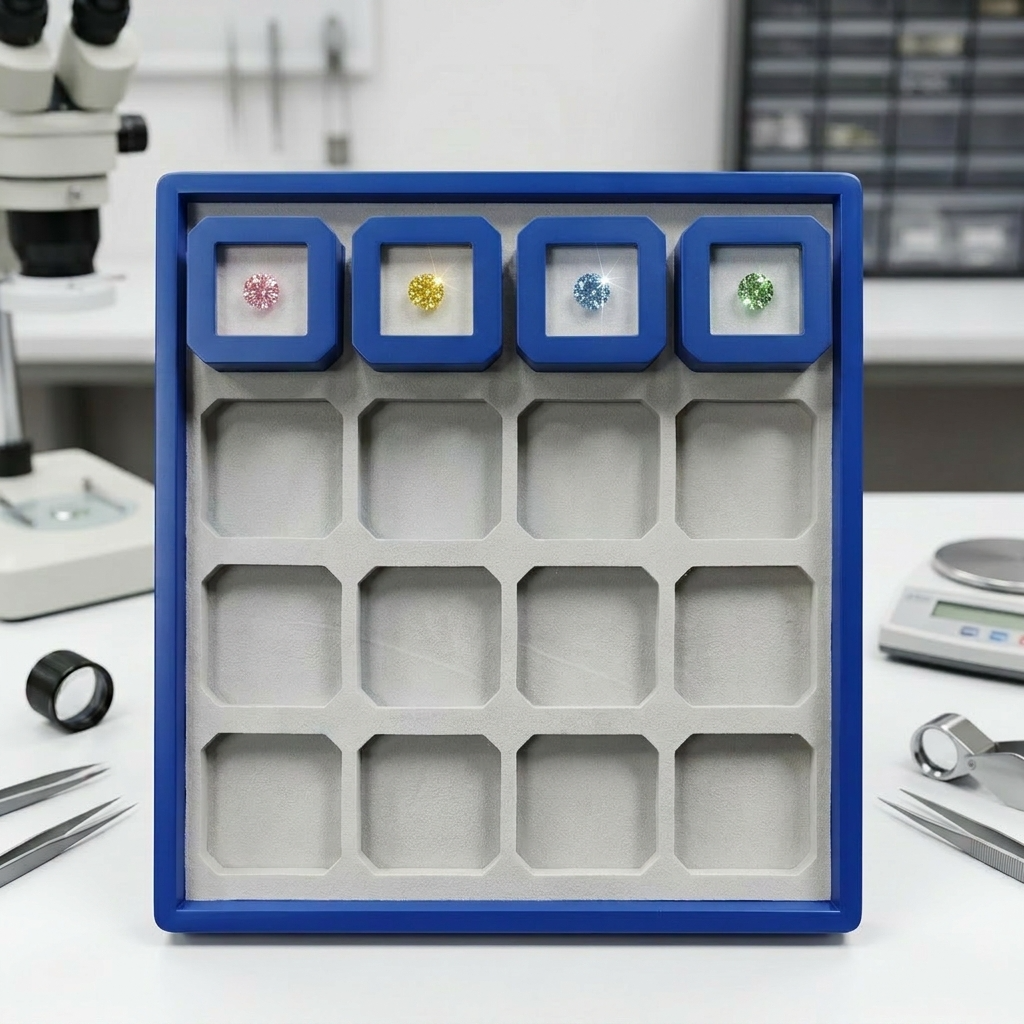
Different operational environments require different tray structures.
Diamond Sorting Trays
Designed with small compartments for gemstone organization.
Velvet Display Trays
Used for customer presentation and luxury retail environments.
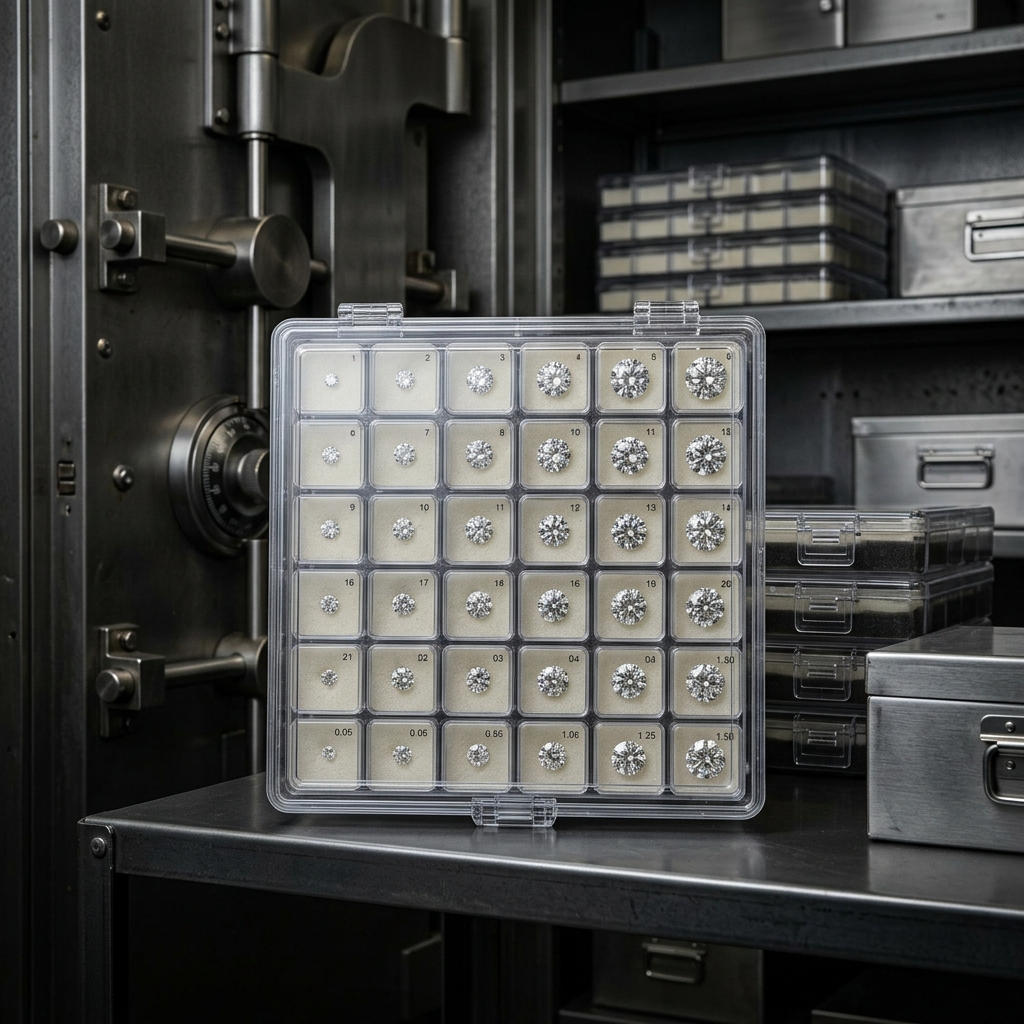
Stackable Diamond Trays
Ideal for inventory management and showroom storage.
Gemstone Sample Trays
Frequently used by wholesalers and trade show exhibitors.
Portable Display Trays
Used during jewelry exhibitions and mobile sales presentations.
The tray structure usually depends on how the jewelry or gemstones will be handled operationally.
Material selection is especially important because diamonds and gemstones require careful surface protection.
Velvet
One of the most common materials for luxury gemstone presentation.
Microfiber & Suede
Provide soft protection while reducing surface friction.
Leatherette
Durable and visually refined for retail display systems.
Acrylic Components
Sometimes used for modern sorting systems and transparent presentation.
Wood or MDF Bases
Used to create stronger structural support.
Professional tray manufacturing focuses on balancing durability with delicate product protection.
Diamond trays support several important business functions simultaneously.
Sorting & Inventory Management
Compartment layouts help improve operational efficiency.
Retail Presentation
Luxury trays enhance perceived gemstone value.
Secure Product Handling
Soft materials reduce the risk of scratches or damage.
Trade Show & Exhibition Use
Portable tray systems improve product organization during presentations.
For many jewelry businesses, tray systems become part of daily workflow rather than simple display accessories.
Buyers in the jewelry industry usually evaluate manufacturers based on precision and consistency rather than price alone.
Tray Alignment Accuracy
Compartment spacing must remain clean and symmetrical.
Material Quality
Low-quality velvet or lining materials reduce luxury perception.
Structural Durability
Trays should remain stable during long-term retail use.
Export & Packaging Capability
Professional packaging helps avoid shipping damage.
OEM Flexibility
Many jewelry companies require custom layouts and branded systems.
Reliable manufacturing becomes especially important for premium gemstone operations.
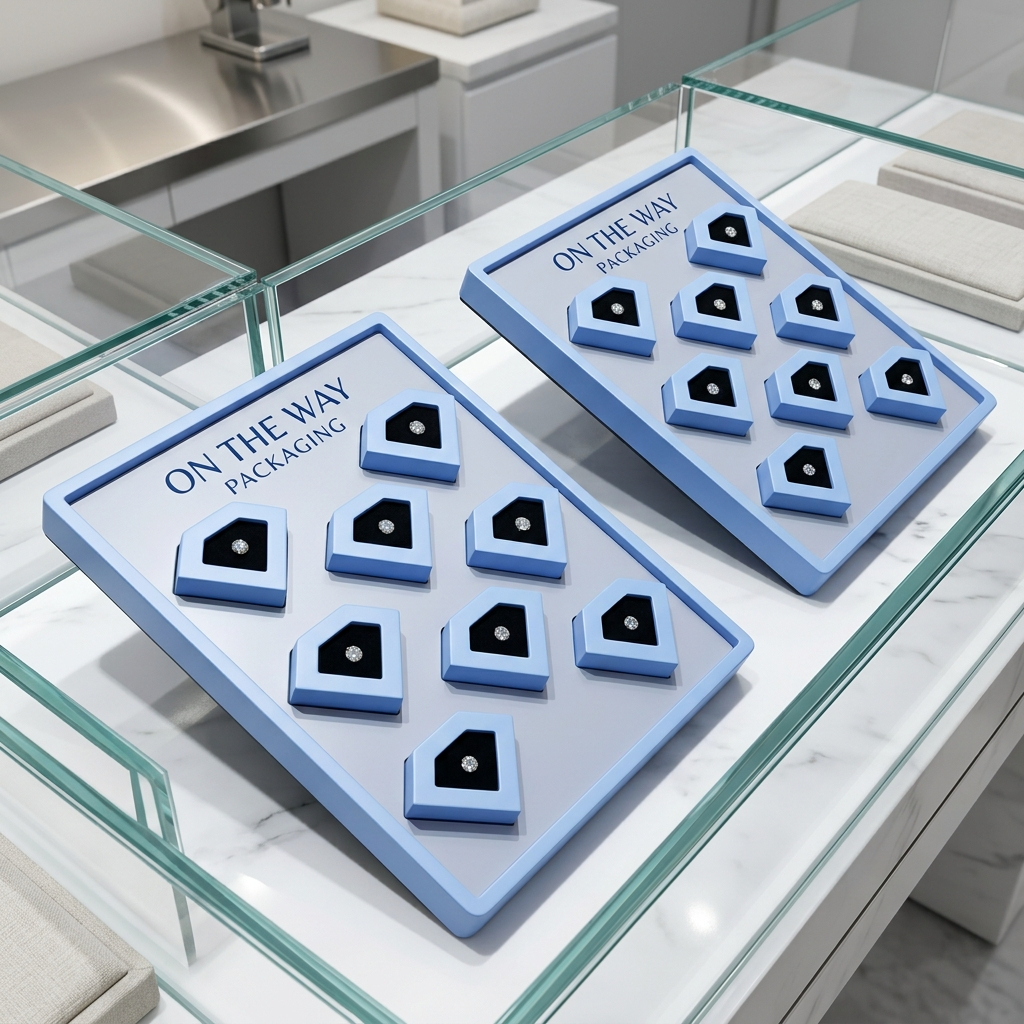
Customization is increasingly common in modern jewelry retail and gemstone presentation.
Common OEM options include:
- custom compartment layouts
- logo integration
- matching display collections
- custom tray dimensions
- brand color systems
Some retailers also develop:
- modular tray systems
- stackable retail presentation units
- coordinated showcase displays
Custom tray development helps businesses create stronger visual consistency throughout retail environments.
Several production issues commonly affect lower-quality trays.
Uneven Velvet Application
Wrinkles or loose surfaces reduce presentation quality.
Weak Structural Bases
Poor tray construction affects durability.
Inconsistent Color Matching
Different tray batches may appear visually inconsistent.
Poor Compartment Precision
Misaligned inserts reduce organizational clarity.
Experienced manufacturers reduce these risks through stronger quality control systems and more refined production standards.
At Ontheway Packaging, we work with jewelry brands, gemstone companies, and retailers to develop professional tray systems for display, organization, and operational efficiency.
What We Support:
- custom diamond tray manufacturing
- velvet, suede, microfiber, and leatherette options
- OEM & ODM tray systems
- retail and sorting tray development
- scalable export production
We believe professional jewelry presentation requires both visual refinement and practical operational functionality.
Conclusion
Diamond trays play an essential role throughout the jewelry industry because they improve organization, presentation, and product handling simultaneously.
For businesses working with diamonds and gemstones, professionally manufactured tray systems help create more efficient workflows while also supporting stronger visual presentation.
As jewelry retail and gemstone operations continue evolving, high-quality tray systems will remain an important part of professional jewelry infrastructure.

FAQ
Q1. What is a diamond tray used for?
Diamond trays are used for gemstone sorting, display, storage, and retail presentation.
Q2. What materials are commonly used in diamond trays?
Velvet, suede, microfiber, leatherette, acrylic, and wood bases.
Q3. Can diamond trays be customized?
Yes, including layout, size, color, material, and branding.
Q4. Why are velvet trays popular for diamonds?
Because velvet provides soft protection and enhances visual presentation.
Q5. What should buyers look for in a diamond tray manufacturer?
Precision, material consistency, durability, and OEM capability.


.png)
.png)
.png)

.png)

.png)