

Paper jewelry boxes are popular because they can be elegant, lightweight, customizable, and cost-effective. The key is to choose the right structure and finish instead of treating every paper box as the same product.
Article Quick Summary
This guide helps buyers understand how to choose paper jewelry boxes from a practical sourcing and brand packaging perspective. It should answer early-stage questions, reduce hesitation, and guide qualified visitors toward related commercial pages.
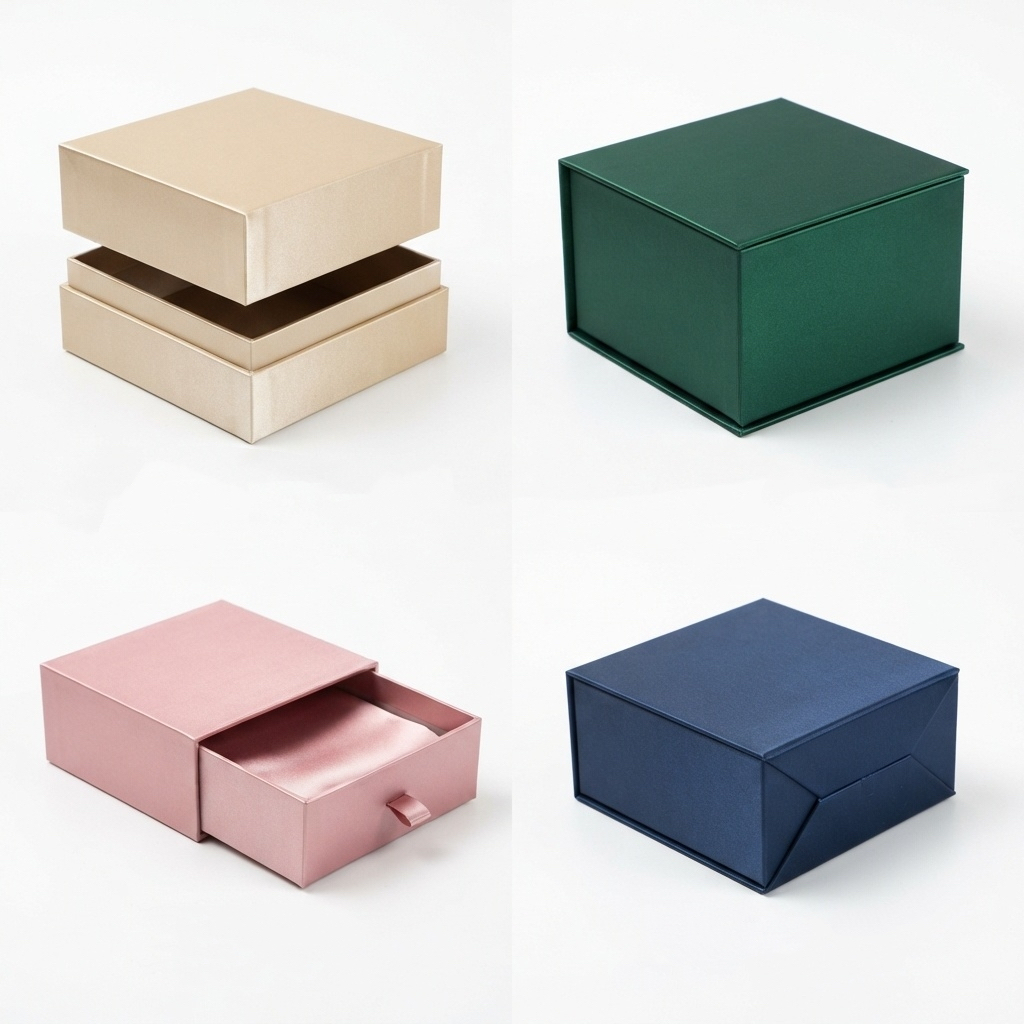
The structure decides how the box opens, how the jewelry is displayed, and how well the box survives shipping. Lid-and-base boxes are classic and easy to understand. Drawer boxes feel more interactive. Magnetic boxes create a stronger gift experience. Folding paper boxes help reduce freight and storage volume.
If the page is for a commercial collection, show several structures clearly so buyers can compare them quickly.
- · Lid-and-base boxes for classic retail display.
- · Drawer boxes for a refined opening moment.
- · Magnetic boxes for gifting and premium sets.
- · Folding boxes for lighter shipping programs.
A thin paper box may be acceptable for low-cost accessories, but it can weaken the perceived value of fine jewelry. Rigid paperboard gives better shape, cleaner edges, and a more stable photography effect.
For online jewelry brands, paper jewelry boxes also need to work inside mailer packaging. The box should feel good in hand but not create unnecessary shipping weight.
- · Rigid paperboard for premium pieces.
- · Kraft paper for natural or handmade brands.
- · Art paper for full-color printing.
- · Textured paper for tactile branding.
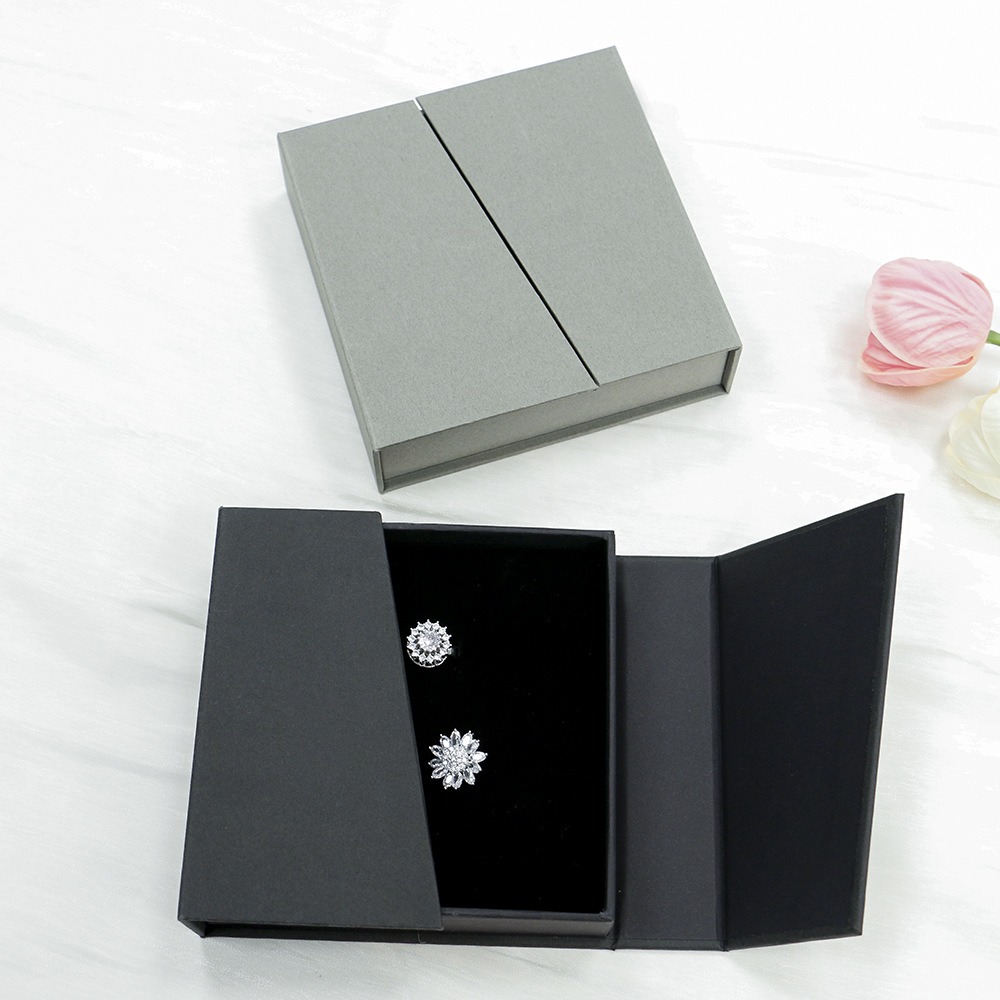
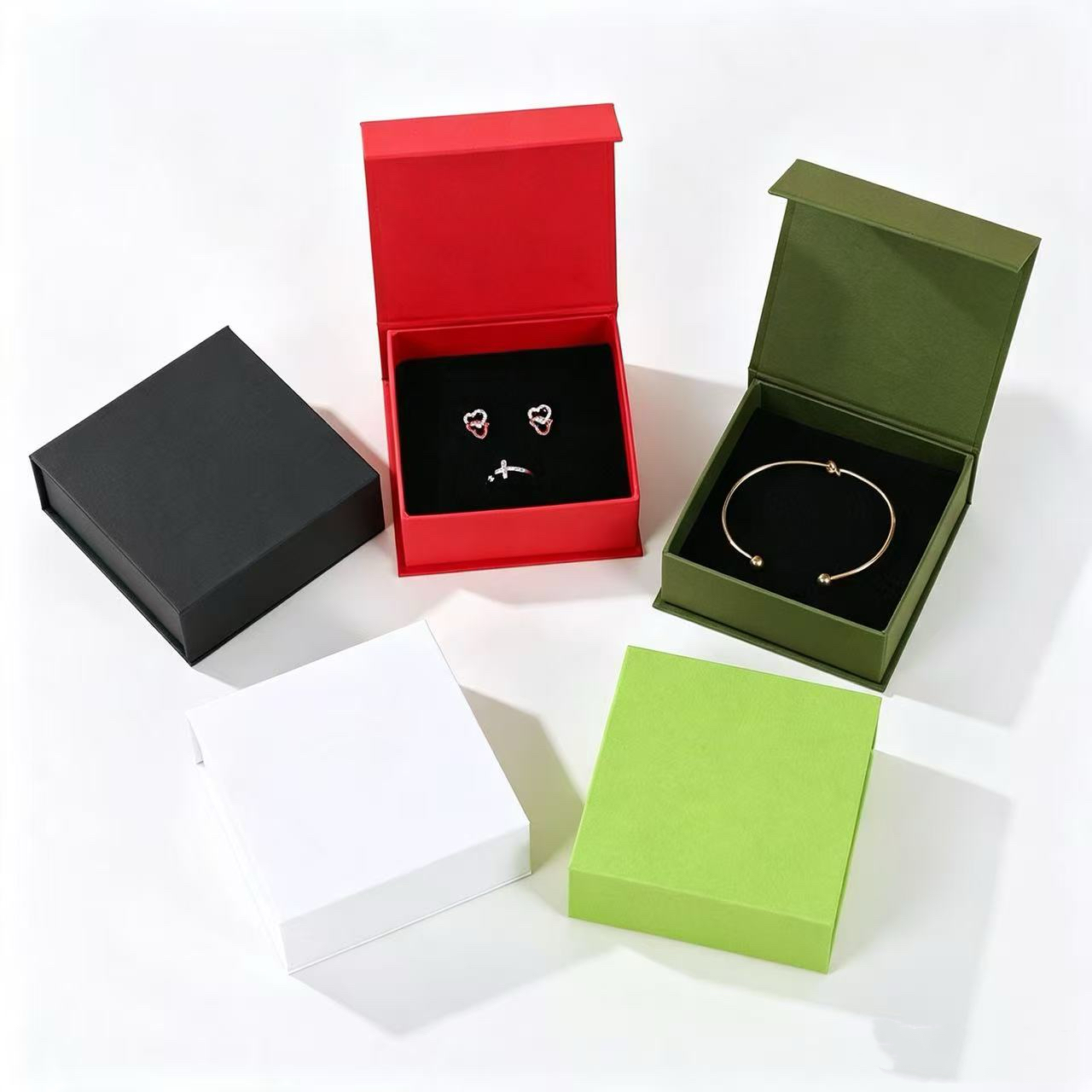
The insert is not a minor detail. It controls how the jewelry sits, whether it tangles, and how the customer sees the product when the box is opened. Foam, EVA, velvet, suede, and paper inserts each serve different purposes.
For necklaces and bracelets, ask for insert cuts that hold the chain neatly. For earrings and rings, check whether the insert is easy to use without damaging delicate parts.
- · Ring slots should hold without pressure.
- · Necklace inserts should reduce tangling.
- · Earring cards need stable holes or grooves.
- · Bracelet inserts need the right lift height.
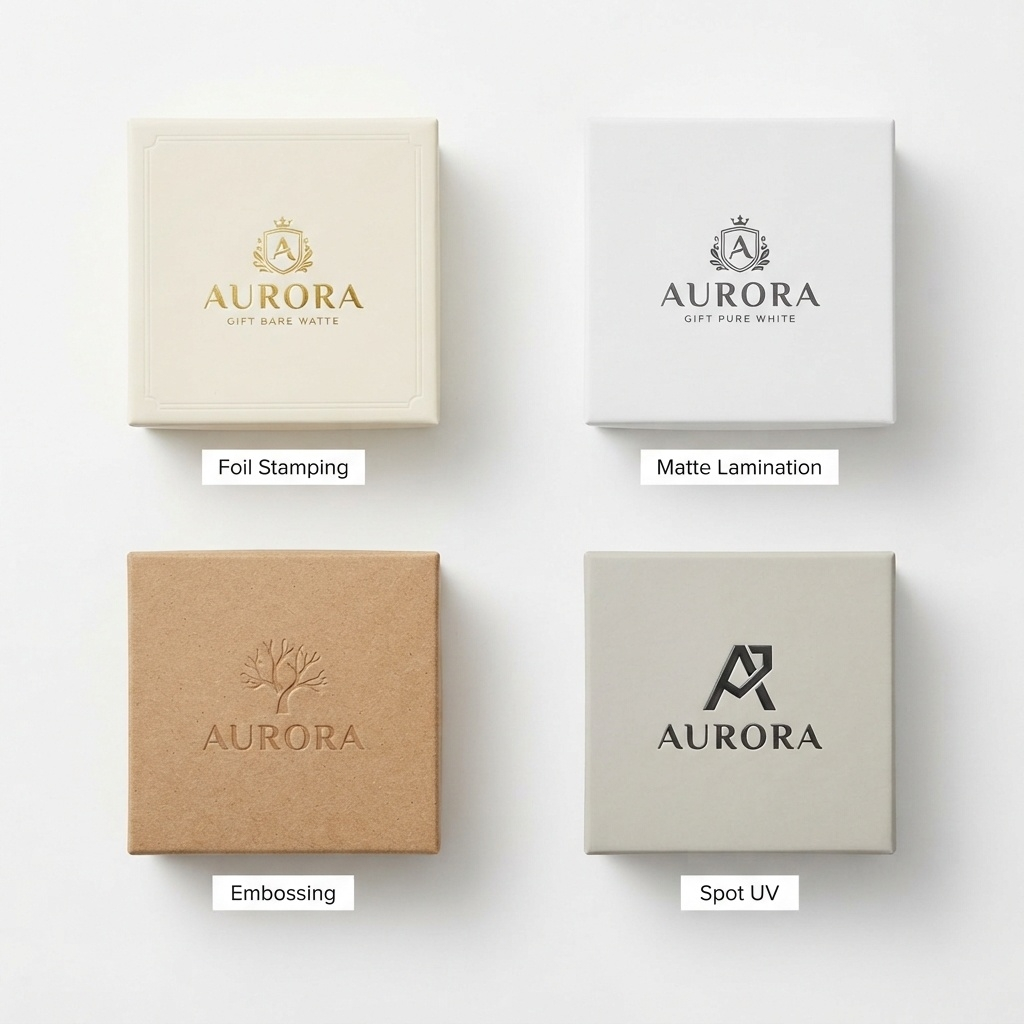
Paper boxes can carry many finishing effects: foil stamping, embossing, debossing, spot UV, matte lamination, soft-touch film, and printed patterns. Do not use every effect at once. A simple box with one strong finish often looks more expensive than a box with too many decorative choices.
For sustainable positioning, avoid finishes that conflict with the brand message unless there is a clear reason.
- · Foil stamping for a polished logo.
- · Embossing for dimensional detail.
- · Matte lamination for clean retail photography.
- · Kraft texture for natural positioning.
Recommended Internal Links
FAQ
Are paper jewelry boxes strong enough for shipping?
They can be, especially when rigid paperboard is used and the box is packed inside a protective mailer or carton.
Can paper jewelry boxes look luxurious?
Yes. Structure, paper texture, insert quality, and logo finishing can make paper boxes look refined and premium.
Which paper jewelry box is best for online stores?
Lightweight rigid or folding paper boxes are often practical because they balance presentation and shipping efficiency.


.png)
.png)
.png)

.png)

.png)