

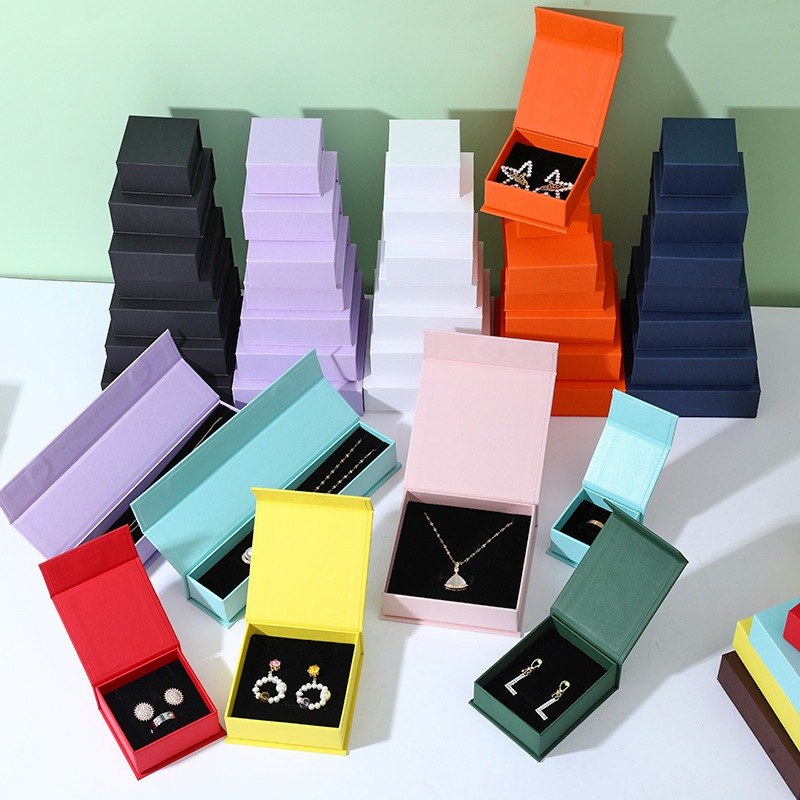
To reduce a custom jewelry packaging minimum order quantity, reduce the number of unique production setups. Shared box sizes, standard coverings and a common logo position can make small orders easier to produce. Confirm the minimum for each size, color and decoration combination.
Find the source of the minimum
A minimum may come from material purchasing, printing setup, cutting tools or assembly efficiency. Ask which constraint applies to the proposed box. A supplier may accept fewer boxes using an available paper but require a larger run for a specially dyed covering. Without that explanation, changing the order quantity alone may not solve the problem.
Consolidate variations with the same function
List every planned size and match it to the actual jewelry range. Two products may share an outer box with different removable inserts. Several collections may use the same printed box with collection specific sleeves. Consolidation works only when the jewelry remains secure and the customer can identify the product without confusion.
Compare stock plus customization with fully custom
A stock structure with a printed sleeve or a single logo may be practical for a market test. Ask whether the stock component will be available for reorder and whether the decoration process changes its minimum. Check that the resulting package still fits the jewelry. Buying a large stock box and filling the gap can erase the apparent saving.
Price the tradeoff before increasing quantity
A larger order lowers some setup costs per unit but ties up cash and storage. Compare the total spend, expected consumption and risk of a future logo change. Request prices for a small launch batch and a planned repeat batch. A slightly higher launch unit price can be sensible when demand is uncertain.
Find the actual source of the minimum quantity
Ask whether the minimum comes from paper purchasing, covering color, decoration setup, insert tooling or assembly scheduling. The restriction may apply to one component rather than the entire finished pack. A supplier cannot assess a useful compromise when the request only says that the order is too large. Identify the constrained operation first.
For minimum per structure, define the decision before collecting more samples. Identify who needs the result and what they can approve. In the review titled “Find the actual source of the minimum quantity”, record the unresolved assumptions. For minimum per structure, ask which actual configuration the current evidence covers. Keep observations separate from preferences and proposed alternatives. If an answer remains incomplete, assign a follow up owner. Keep the agreed requirement for minimum per structure visible in the purchase record. Give the next reviewer enough context to reproduce the comparison. Do not rely on a verbal assurance alone.
Consolidate the components that customers do not distinguish
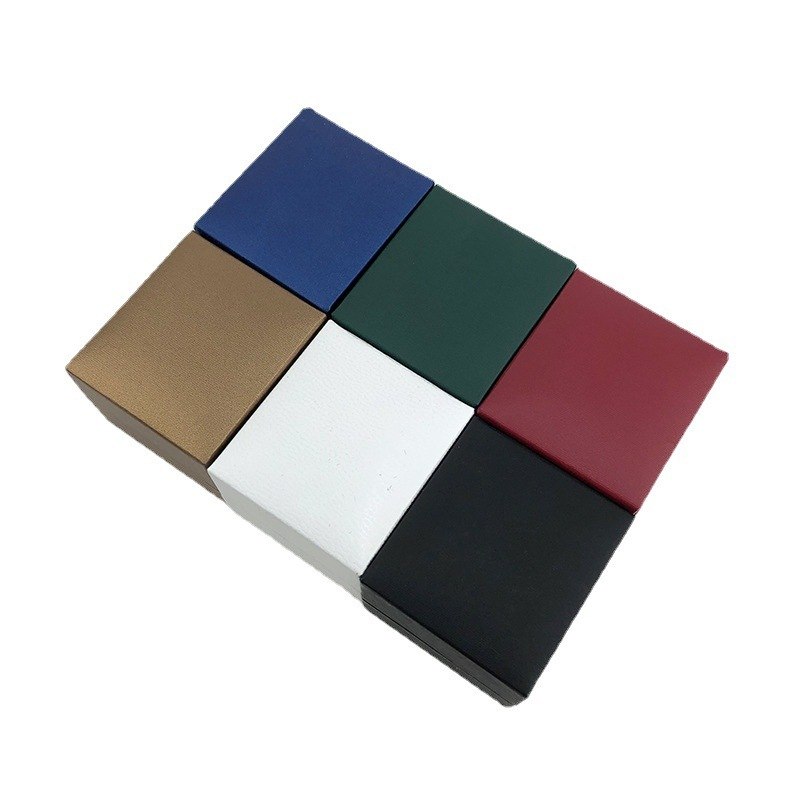
Several collections may share a shell and neutral insert while using different removable cards. Compare how much of the packaging truly needs collection specific production. Consolidation works best when the common component can serve the full intended product range without looking oversized or leaving small pieces insecure. Check fit before combining orders.
Treat minimum per covering color as a named requirement in the comparison record. Show the current reference beside the proposed alternative. For the issue addressed in “Consolidate the components that customers do not distinguish”, change one relevant variable at a time. Record the product or component actually used in each comparison. Keep the original observations available after choosing a preferred option. Otherwise, a later purchaser may repeat an already rejected approach. Ask whether a change to minimum per covering color affects another requirement or packing task. Resolve that interaction before releasing the complete configuration. The aim is a decision others can follow without guesswork.
Use decoration flexibility selectively
A stock covering with one established decoration method may be easier to purchase in a small run than a custom material combination. Ask which existing materials are available for the requested structure. Evaluate the offered color and texture physically. Availability alone does not make a substitute appropriate for the brand or the jewelry finish.
Consider phased releases with clear ownership
A supplier may be willing to discuss making common components together and finishing or releasing them later, but this is a commercial arrangement to negotiate. Define who owns the stored components, who bears deterioration risk and how long they may remain there. Do not assume delayed shipment also delays the corresponding payment obligation.
Compare the small run against excess inventory
Estimate how many boxes the business can realistically use before a design change. Include the cost of storing, handling and potentially discarding surplus units. A higher price on a smaller order can be sensible when demand is uncertain. Conversely, frequent tiny orders may add repeated freight and setup expenses that offset the apparent flexibility.
Make the reduced quantity a documented specification
Record the approved material, quantity per size and logo version, replenishment assumptions and any limitations of the smaller run. Confirm whether the arrangement is a one time accommodation or can support reorders. Keep an approved sample from the actual agreed construction. The next purchaser should understand what was standardized to make the quantity possible.
Illustrative purchasing scenario
An illustrative new jewelry brand wants different packaging colors for three small collections. It discovers that the proposed quantity requirement applies separately to each covering color. The total number of boxes across the launch therefore does not solve the supplier’s component purchasing constraint.
Instead of asking repeatedly for a lower finished box minimum, the brand asks which features drive the requirement. It considers a shared neutral shell with collection specific cards. The insert remains common only after the actual pieces are checked for secure support and consistent presentation. The brand does not combine sizes merely to reach a commercial threshold.
Purchasing compares two options: separate colored shells with larger commitments, and one shared shell with smaller batches of removable printed material. It includes the work required to select the correct card at fulfillment. The comparison also considers what happens if one collection sells slowly or the brand changes its visual identity.
The supplier is then asked to quote the revised specification and explain whether the arrangement can support later reorders. Any discussion of stored components is documented separately, including ownership and release conditions. This scenario does not promise that a supplier will accept a particular quantity. It shows why understanding the minimum’s source creates more useful alternatives than treating MOQ as a single number that applies identically to every component and variation.
Buyer checklist
- · Minimum per structure
- · Minimum per covering color
- · Minimum per logo process
- · Shared size opportunities
- · Repeat stock availability
- · Storage and demand forecast
Practical example
A brand planning four box colors could test one shared neutral box with four removable sleeves. Ask whether the sleeves and box each have separate minimums; do not assume that combining them automatically lowers the total order requirement.
Frequently asked questions
Can different sizes share one minimum?
Sometimes, but each size may need different tools and assembly. Request written confirmation of the combined and individual minimums.
Is there a universal minimum for custom jewelry boxes?
No. It depends on the design, available materials and supplier process. Use the approved specification to obtain a current quotation.
Discuss your packaging specification
Share your launch quantities and planned color range with OnTheWay Packaging to discuss which components could be standardized before requesting minimum order quantities.
Explore Custom Jewelry Packaging or contact OnTheWay Packaging.


.png)
.png)
.png)

.png)

.png)