

Introduction:
Why Jewelry Displays Influence Retail Sales
In jewelry retail, presentation affects perception long before customers ask about price or materials.
A beautifully displayed ring immediately feels more valuable. A carefully arranged necklace collection feels more refined and intentional. Even the atmosphere of a jewelry store can influence how customers emotionally respond to products.
This is why jewelry display sets have become such an important part of modern retail strategy.
For retailers, displays are not just functional accessories—they are part of the shopping experience itself.
Retail environments are very different from trade shows or warehouse presentation.
Retailers need display systems that are:
- Visually organized
- Easy to maintain
- Flexible for changing collections
- Consistent with brand identity
- Comfortable for customer interaction
A strong jewelry display set should help products feel more approachable while also increasing perceived value.
The best retail displays rarely draw attention to themselves. Instead, they quietly improve how the jewelry is experienced.
Customers often judge product quality based on surrounding presentation.
A poorly organized display can make premium jewelry feel less valuable. On the other hand, clean and intentional display arrangements create a stronger sense of professionalism and trust.
Display sets influence:
- Perceived product value
- Store atmosphere
- Shopping comfort
- Product discoverability
- Emotional connection
In many cases, retailers underestimate how much display quality impacts purchasing behavior.
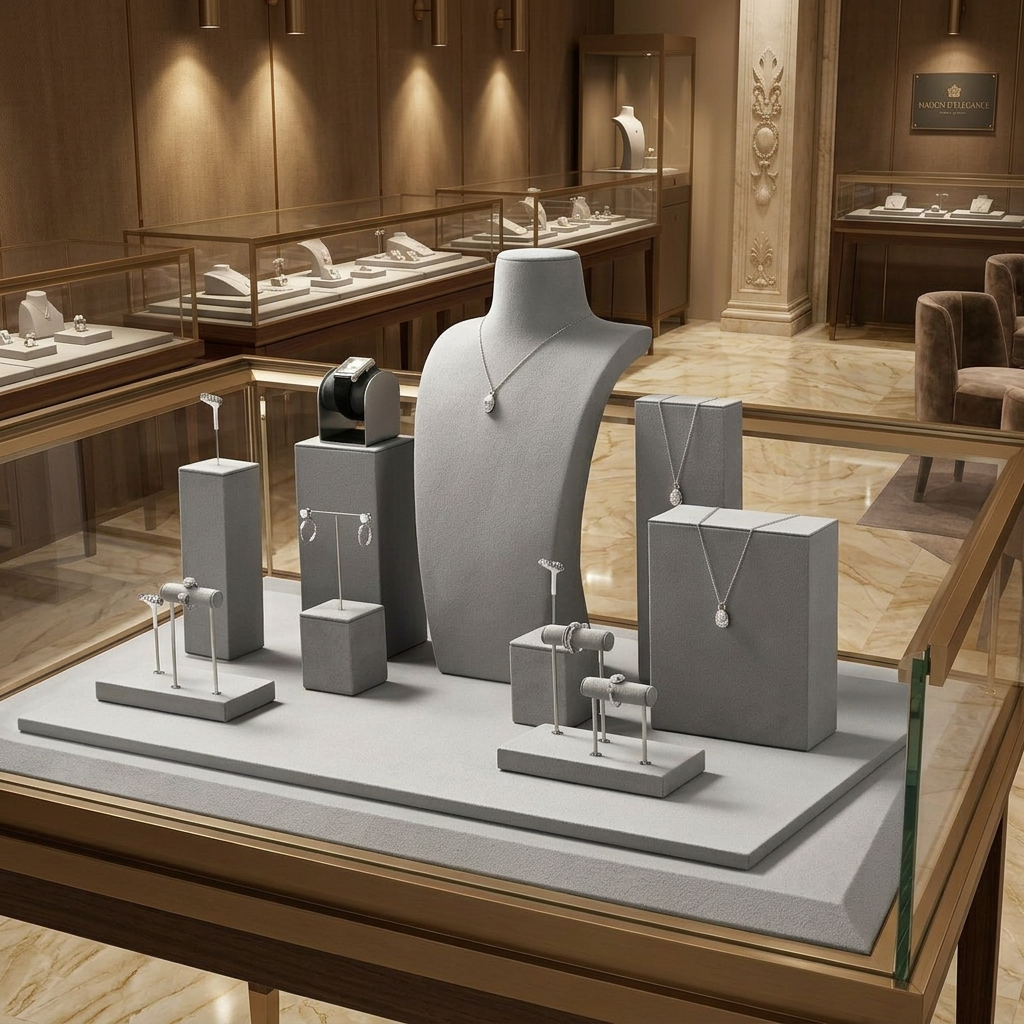
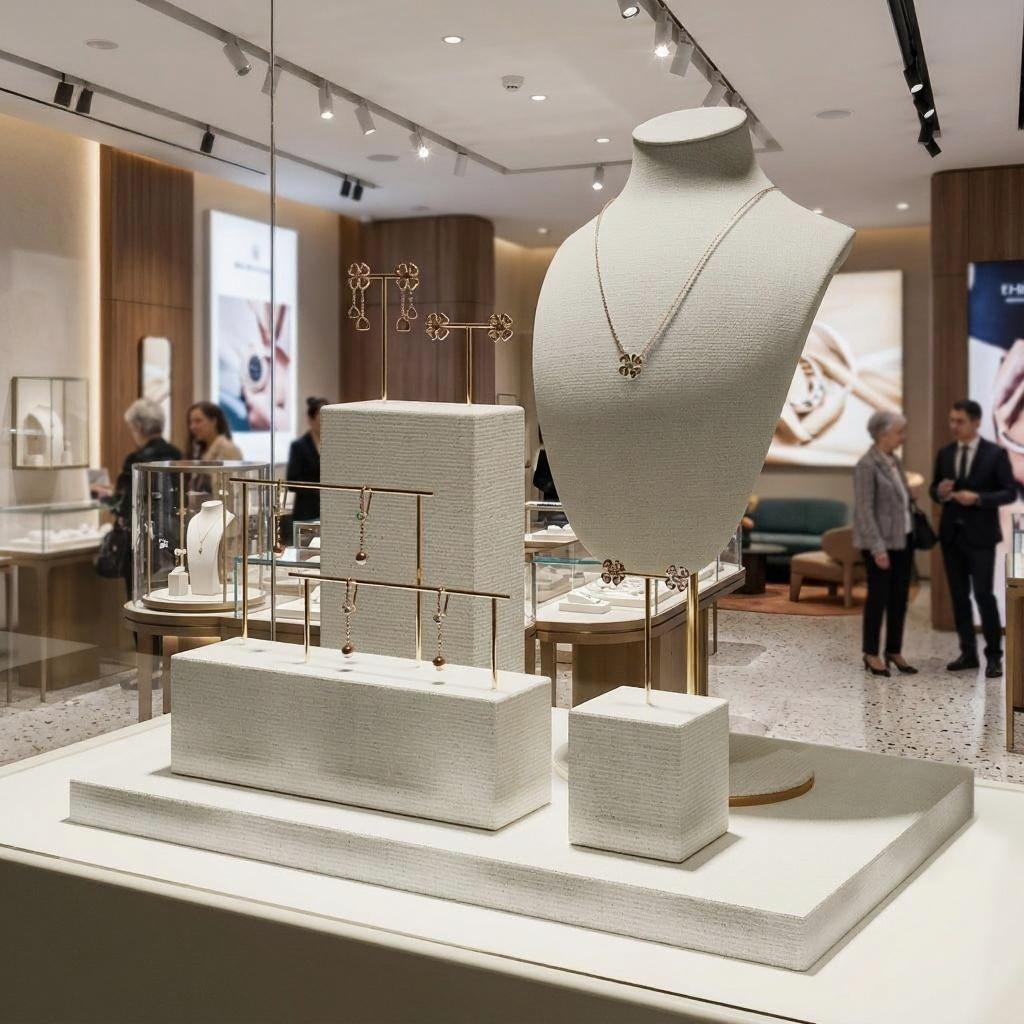
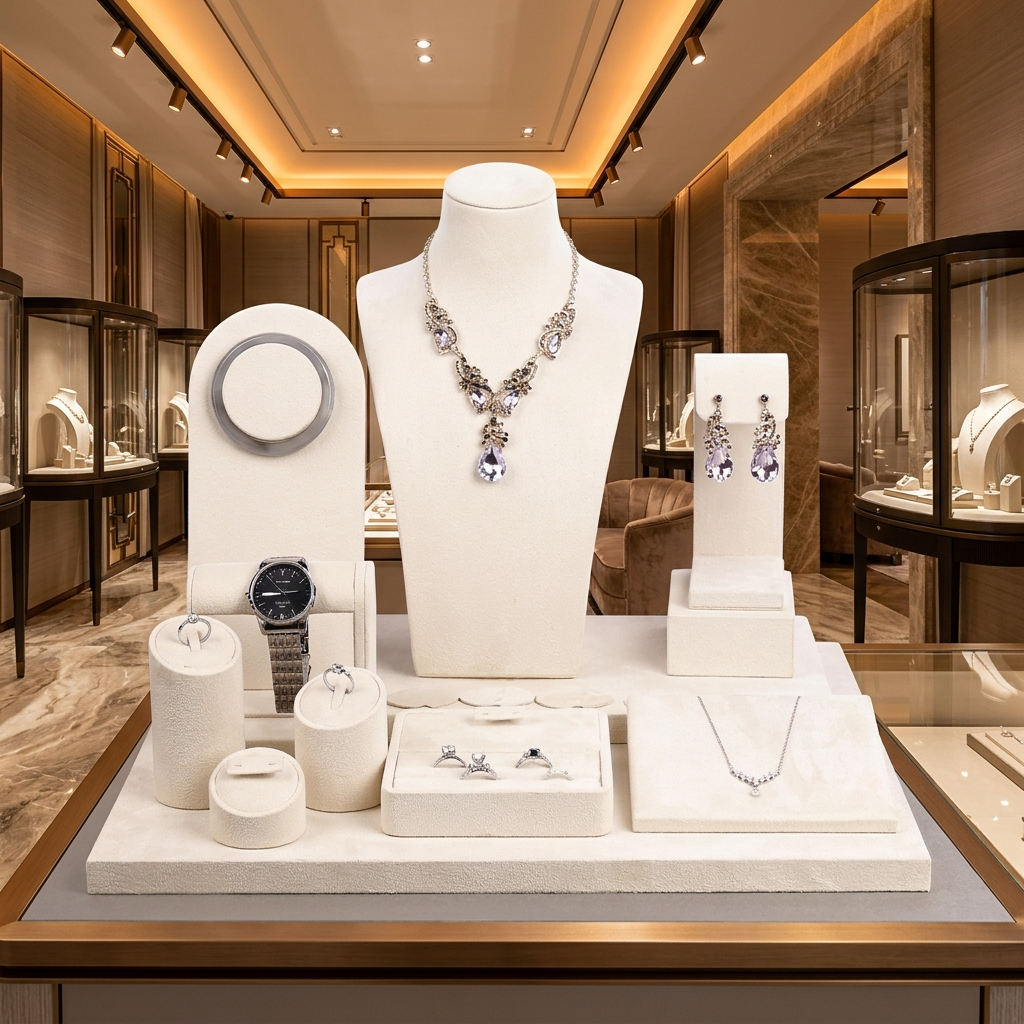
Different retail formats require different display approaches.
Countertop Display Sets
Ideal for daily product presentation and customer browsing.
Tray-Based Display Systems
Allow organized presentation and easier inventory handling.
Vertical Necklace Displays
Help create visual height and improve product visibility.
Modular Display Systems
Flexible arrangements for seasonal updates or collection changes.
Most retailers combine several display types to create visual balance throughout the store.
Display design should reflect the personality of the brand—not just current trends.
Minimalist Jewelry Brands
Often prefer clean lines, neutral colors, and open layouts.
Luxury Retailers
Usually choose darker tones, velvet textures, and layered presentation.
Fashion Jewelry Stores
May use brighter colors and more dynamic arrangements.
Boutique Gift Stores
Often combine softer materials with warmer visual styling.
The goal is consistency. Customers should immediately feel the identity of the brand through the display environment.
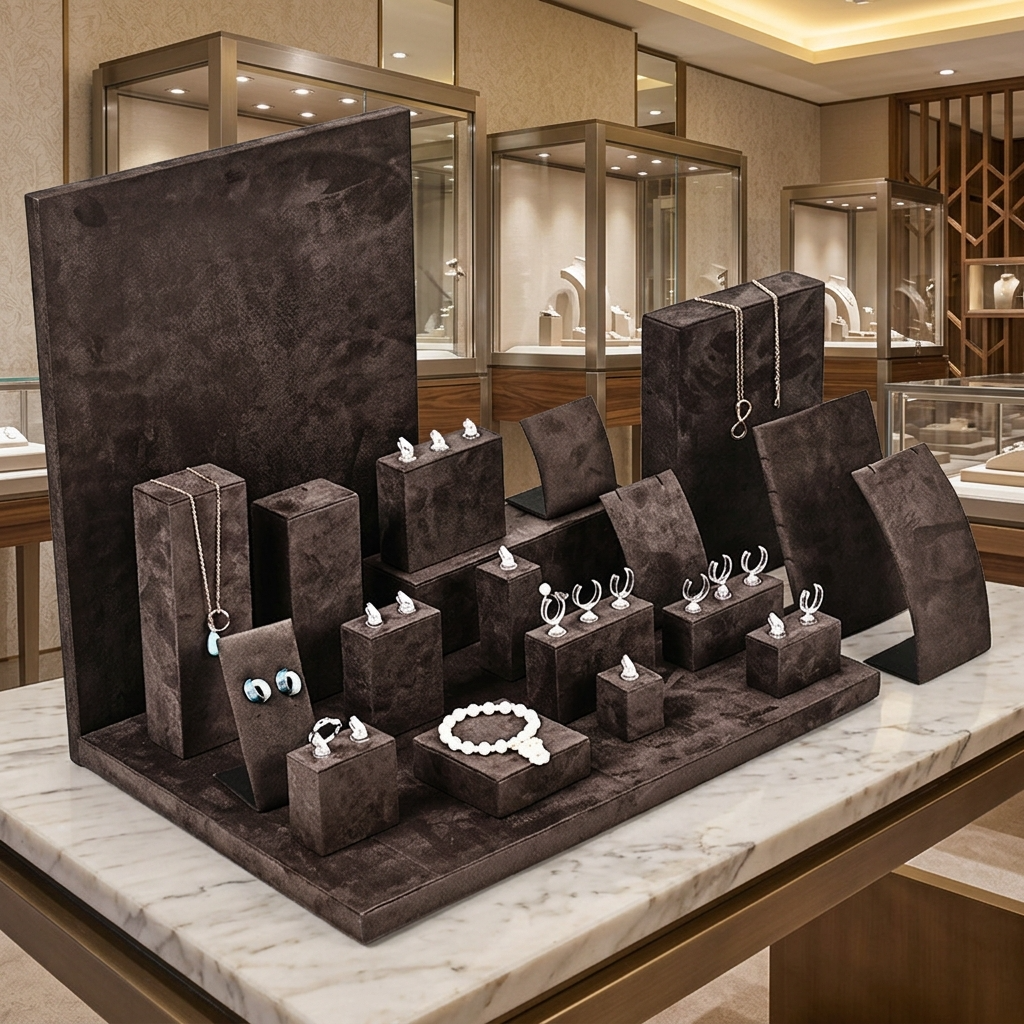
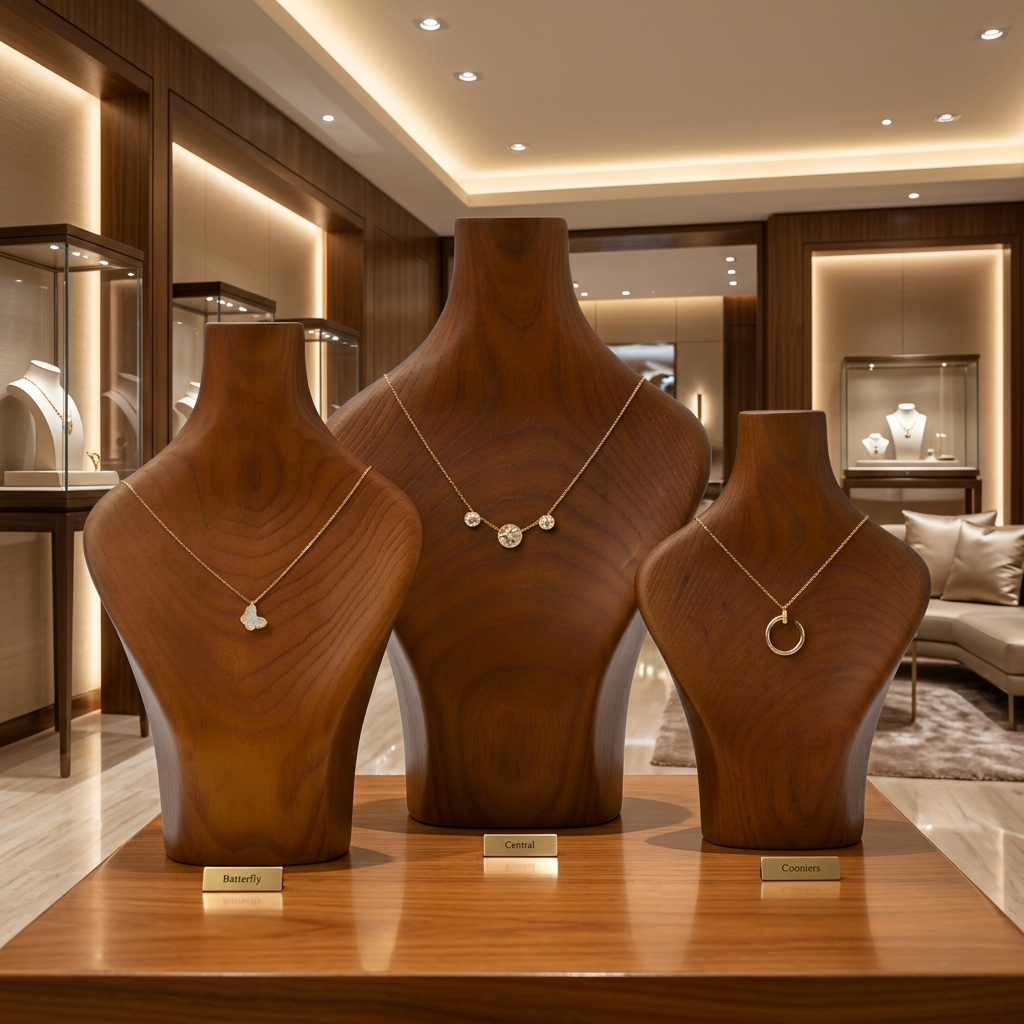
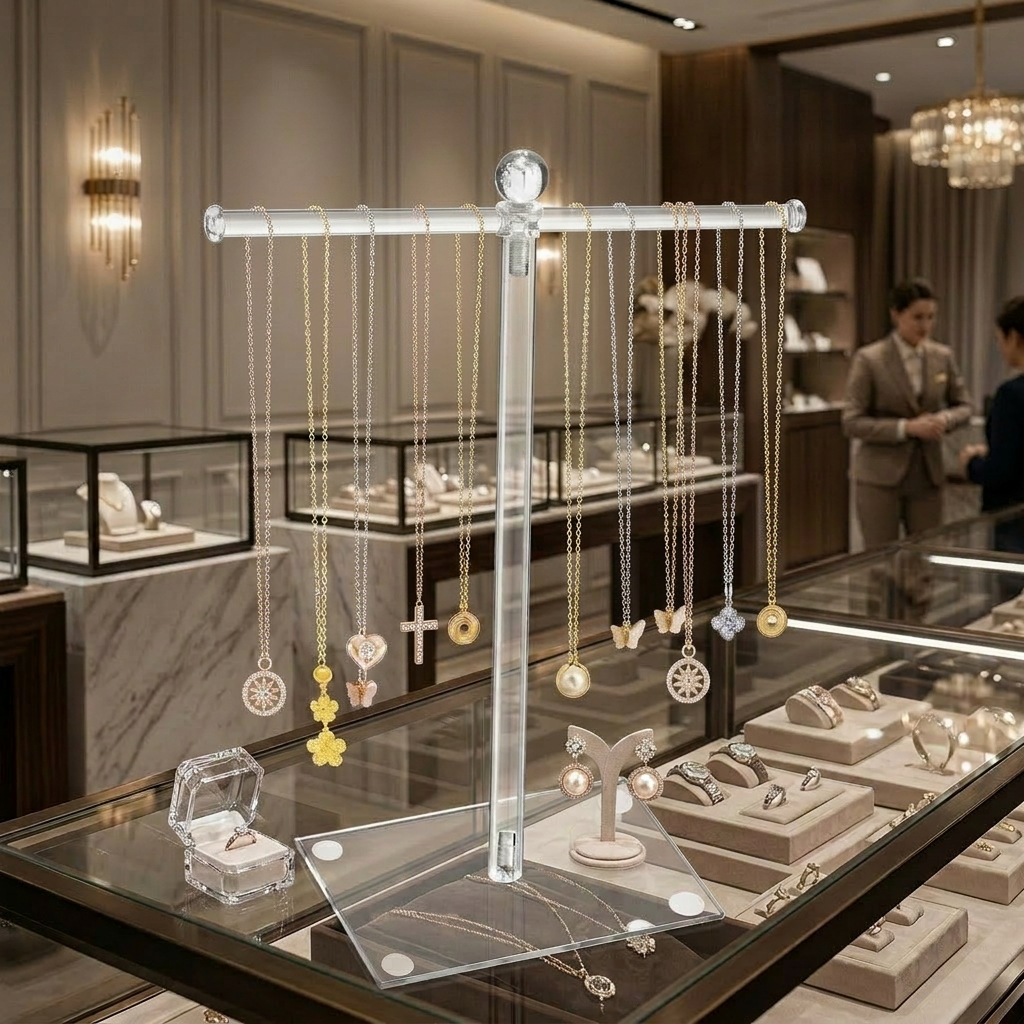
Materials strongly influence the atmosphere of a jewelry store.
Velvet
Soft, elegant, and highly associated with luxury jewelry presentation.
Wood
Creates warmth and craftsmanship.
Acrylic
Popular in modern and minimalist retail spaces.
Leatherette
Offers a balance between sophistication and practicality.
The right material depends not only on budget, but also on the emotional tone the brand wants to create.
Store size changes how displays should be used.
Small Stores
- Avoid overcrowding
- Use height variation carefully
- Focus attention on hero products
Larger Retail Spaces
- Create display zones by collection
- Use layered visual hierarchy
- Allow breathing space between displays
In both cases, simplicity often improves customer comfort and product focus.
Retail displays should evolve throughout the year.
Seasonal Campaigns
Valentine’s Day, Mother’s Day, and holiday collections often benefit from dedicated display themes.
Limited Collections
Special display arrangements help create exclusivity.
New Product Launches
Feature zones help guide customer attention toward new arrivals.
Refreshing displays periodically also helps returning customers experience the store differently.
Strong retail brands usually maintain consistency across:
- Display materials
- Color palettes
- Layout principles
- Packaging and presentation
Over time, these details become part of the brand identity itself.
Customers may not consciously remember every display element, but they remember how the store felt.
That feeling often influences whether they return.
Conclusion
Jewelry display sets are far more than presentation tools—they shape how customers experience products, navigate stores, and emotionally connect with brands.
For retailers, investing in thoughtful display systems is not simply about aesthetics. It is about creating an environment where jewelry feels more valuable, more organized, and more memorable.
In modern jewelry retail, display design has become part of the product itself.

FAQ
Q1. Why are jewelry display sets important for retailers?
They improve product presentation, store organization, and customer experience.
Q2. What materials are commonly used in retail jewelry displays?
Velvet, wood, acrylic, and leatherette are widely used.
Q3. How often should retailers update display layouts?
Many retailers refresh displays seasonally or when launching new collections.
Q4. Are modular display systems useful for retailers?
Yes, they provide flexibility for changing layouts and promotions.
Q5. Can display sets help increase sales?
Yes, strong visual presentation often improves perceived value and customer engagement.


.png)
.png)
.png)

.png)

.png)