

Introduction: Why Jewelry Trays Matter in Retail Presentation
In jewelry retail, organization directly affects presentation.
Even high-quality jewelry can appear less valuable if products are displayed in crowded, inconsistent, or poorly arranged layouts. This is why jewelry trays have become one of the most important tools in modern jewelry merchandising.
Jewelry trays help retailers:
- organize products clearly
- improve customer browsing experience
- create visual consistency
- support efficient inventory management
As jewelry retail becomes increasingly presentation-focused, demand for professional jewelry trays continues to grow worldwide.
Many international buyers now source jewelry trays from China because of the country’s strong manufacturing capability, customization flexibility, and scalable production support.
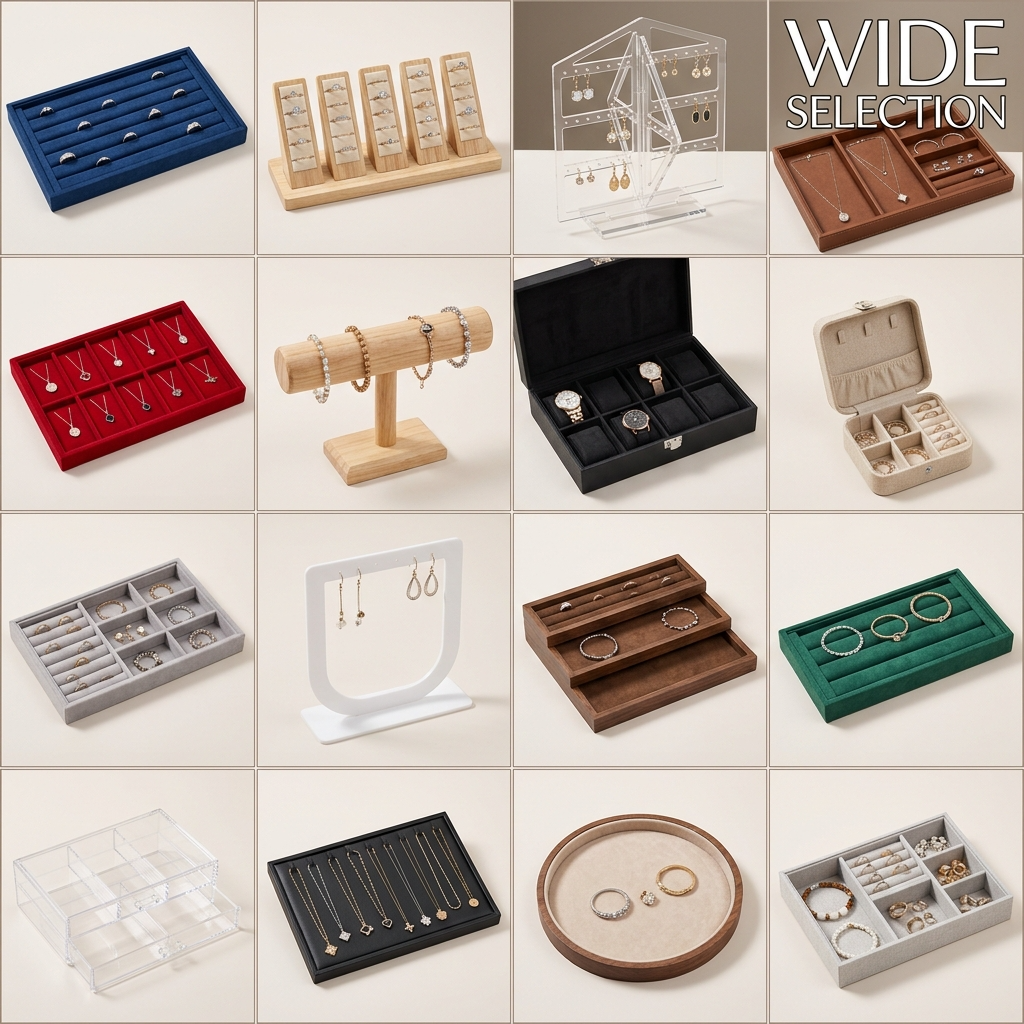
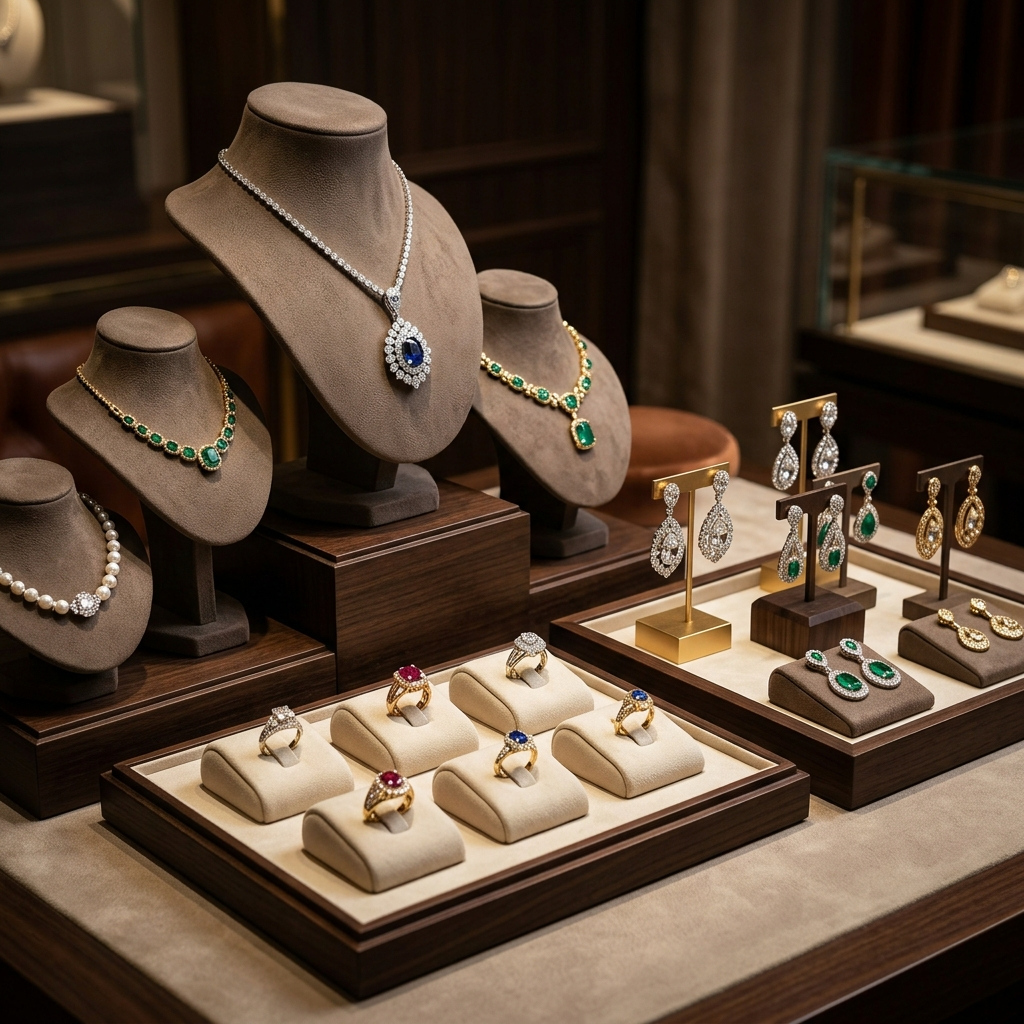
Jewelry trays are available in many different formats depending on retail usage.
Ring Trays
Designed with slots for organized ring presentation.
Necklace & Pendant Trays
Allow products to remain untangled while improving visibility.
Bracelet & Watch Trays
Usually feature larger compartments and softer inserts.
Modular Multi-Purpose Trays
Flexible tray systems used for changing collections and retail layouts.
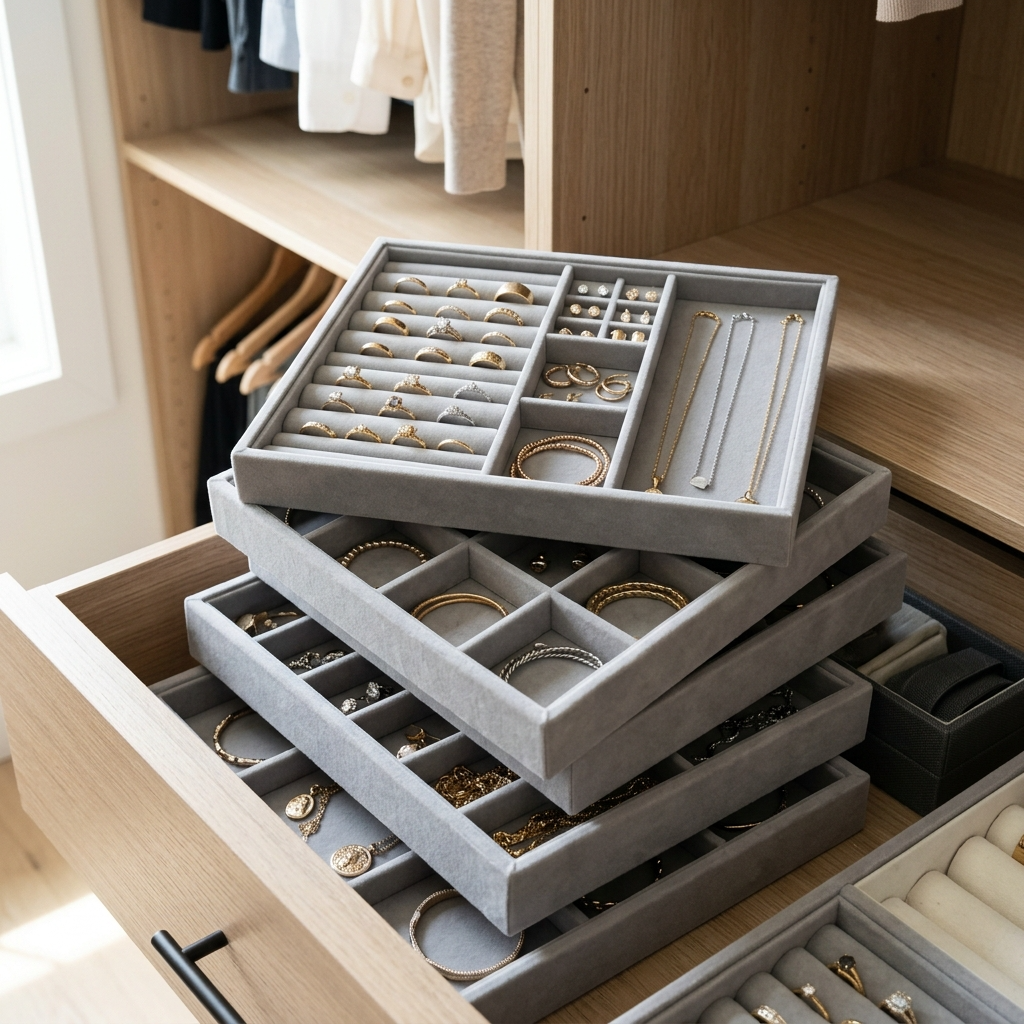
Stackable Jewelry Trays
Popular for inventory management and space efficiency.
Different retail environments often combine multiple tray types for visual balance and operational convenience.
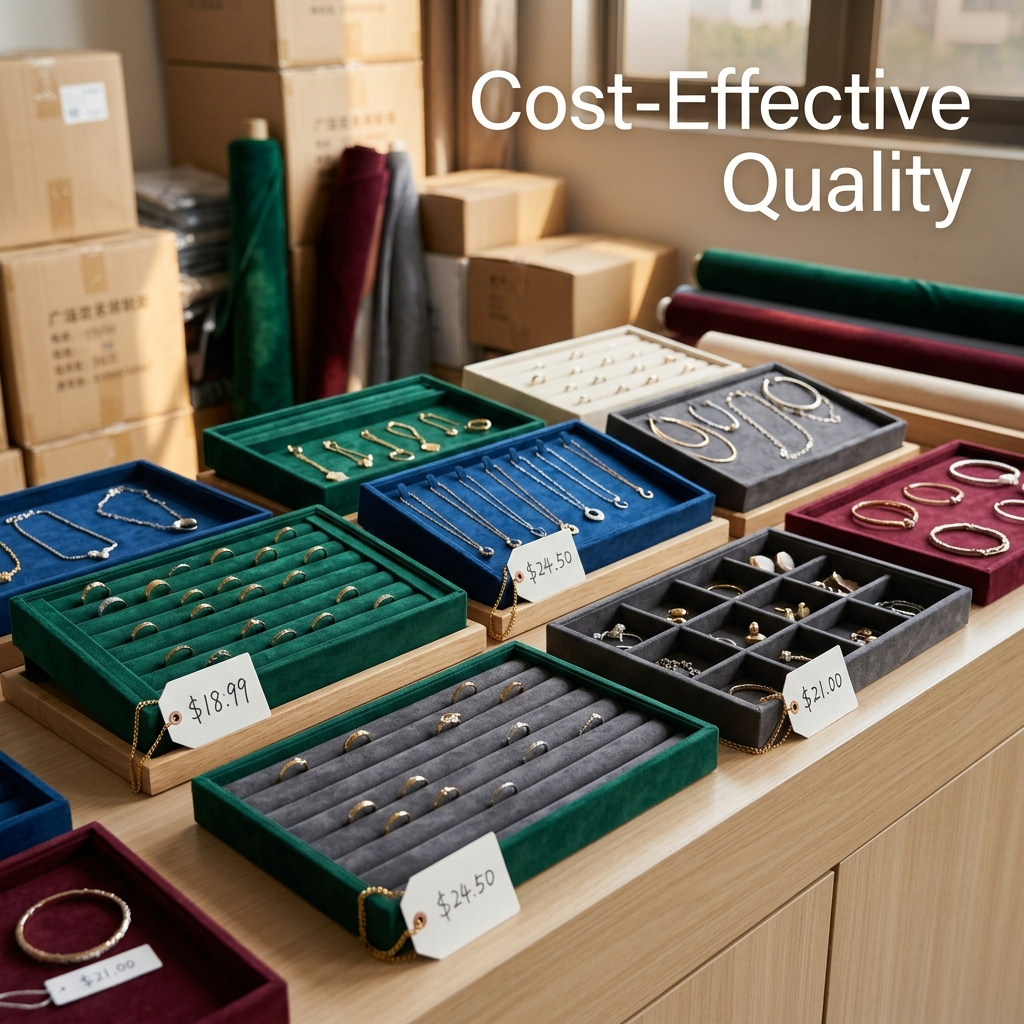
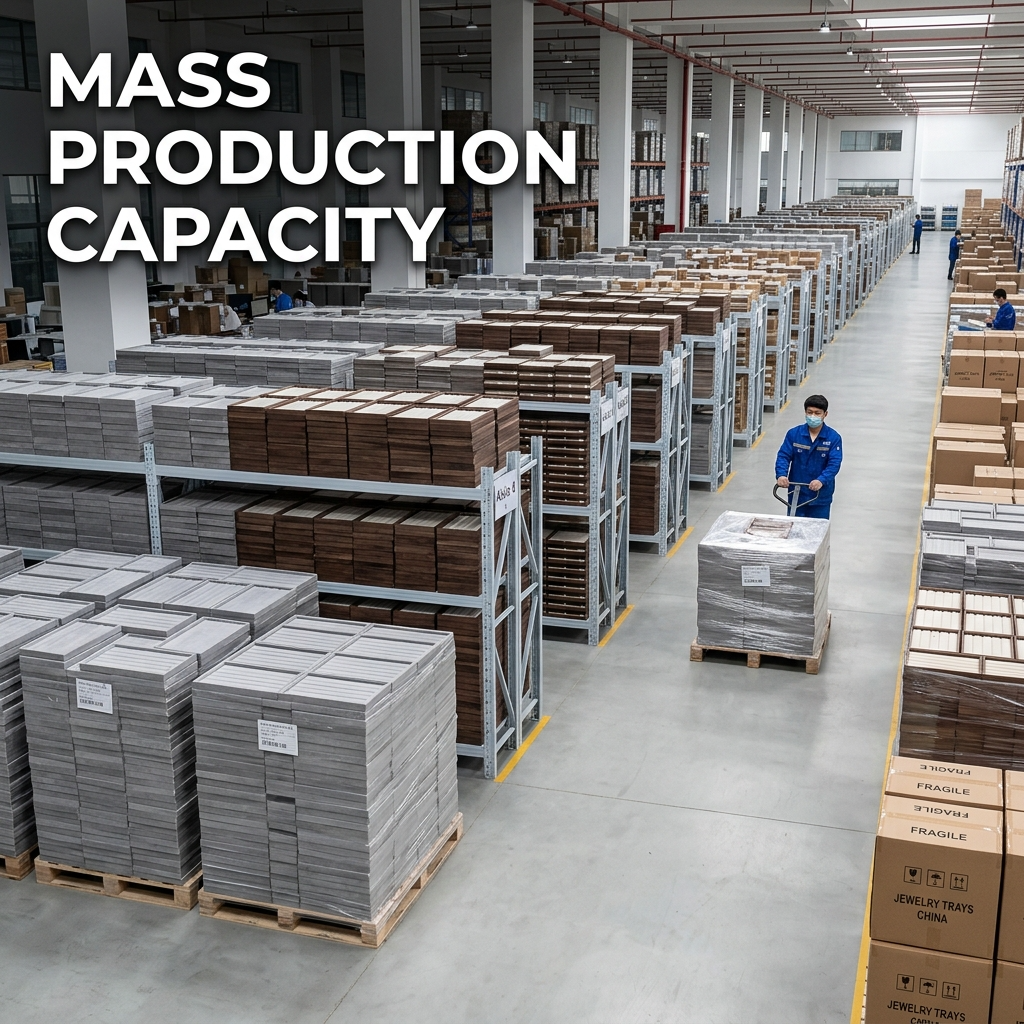
China remains one of the world’s leading sourcing destinations for jewelry display products.
Several factors contribute to this.
Mature Manufacturing Infrastructure
Chinese factories have extensive experience producing retail display products.
Flexible Customization
Suppliers can often support:
- OEM development
- custom sizes
- logo branding
- matching display collections
Competitive Production Costs
Large-scale production helps reduce overall manufacturing costs.
Export Experience
Many suppliers already serve international jewelry brands and retailers.
For buyers, this combination creates strong sourcing efficiency.
Material selection strongly influences both functionality and brand perception.
Velvet
Soft, luxurious, and widely used in premium jewelry retail.
Leatherette
Modern, durable, and easy to maintain.
Wood
Adds warmth and craftsmanship to display environments.
Acrylic
Popular in contemporary and minimalist retail spaces.
Suede & Microfiber
Provide softer tactile presentation for premium collections.
The material should align with the overall atmosphere of the jewelry brand and store environment.
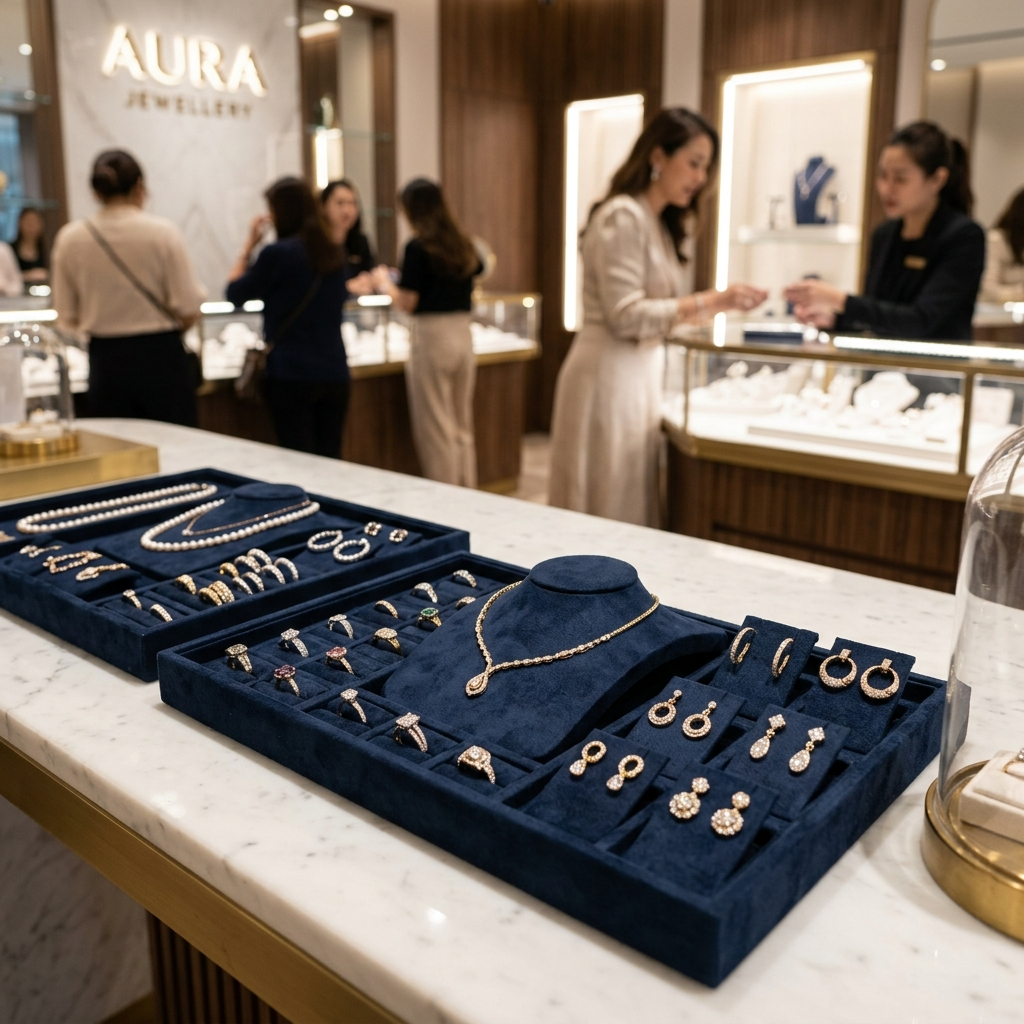
Jewelry trays are no longer used only for storage.
Today, they support multiple retail functions:
- countertop presentation
- drawer organization
- showcase display
- travel inventory handling
- trade show merchandising
Many retailers now prefer tray systems because they improve both customer-facing presentation and internal operational efficiency.
Choosing the right supplier involves more than comparing prices.
Product Consistency
Can the supplier maintain stable material quality?
Tray Precision
Poorly aligned inserts reduce presentation quality.
Material Matching
Color inconsistency affects brand image.
Packaging Protection
Trays must be protected properly during shipping.
Communication Efficiency
Fast sampling and accurate communication reduce sourcing risks.
Reliable suppliers focus on long-term operational stability rather than only short-term pricing.
Customization has become increasingly important in jewelry retail.
Many brands now require:
- custom tray dimensions
- brand color matching
- logo integration
- collection-based display systems
- modular layouts for retail flexibility
OEM jewelry tray development helps brands create more recognizable and consistent retail environments.
This is especially important for:
- chain stores
- luxury boutiques
- premium jewelry collections
Some common sourcing issues include:
Inconsistent Velvet Colors
Different production batches may not match perfectly.
Weak Structural Materials
Low-quality tray bases reduce durability.
Shipping Damage
Improper export packaging may deform trays.
Poor Insert Alignment
Jewelry compartments may appear uneven.
Experienced suppliers reduce these risks through standardized production processes and stronger quality control systems.
At Ontheway Packaging, we work with jewelry brands, retailers, and display importers worldwide to create practical and visually refined jewelry tray systems.
What We Support:
- custom jewelry tray manufacturing
- velvet, suede, leatherette, and wood materials
- OEM & ODM display solutions
- modular retail tray systems
- scalable export production
We believe jewelry displays should improve both presentation quality and operational efficiency.
Conclusion
Jewelry trays have become essential tools in modern jewelry retail because they improve organization, presentation, and customer experience simultaneously.
For international buyers, sourcing jewelry trays from China offers strong advantages in customization flexibility, scalable production, and retail display development.
As jewelry retail environments continue evolving, professionally designed tray systems will remain an important part of successful visual merchandising strategies.

FAQ
Q1. Why do many buyers source jewelry trays from China?
Because China offers competitive production, customization flexibility, and strong manufacturing capability.
Q2. What materials are commonly used for jewelry trays?
Velvet, leatherette, wood, acrylic, suede, and microfiber.
Q3. Can jewelry trays be customized?
Yes, including size, layout, color, materials, and logo integration.
Q4. What are jewelry trays used for?
Retail presentation, drawer organization, showcase display, and jewelry storage.
Q5. What should buyers look for in a jewelry tray supplier?
Consistency, communication, customization capability, and export experience.


.png)
.png)
.png)

.png)

.png)