

Introduction: Why Factory Selection Matters in Jewelry Packaging
For jewelry brands, packaging quality directly affects how customers perceive the product itself.
Even beautifully designed jewelry can lose perceived value if the packaging feels inconsistent, poorly made, or mass-produced. This is why choosing the right leatherette jewelry box factory has become increasingly important for brands operating in competitive retail and e-commerce markets.
A packaging factory is not simply a manufacturer.
In many cases, it becomes a long-term operational partner responsible for maintaining:
- product consistency
- production reliability
- packaging quality
- brand presentation standards
For growing jewelry businesses, this relationship matters far more than many buyers initially expect.
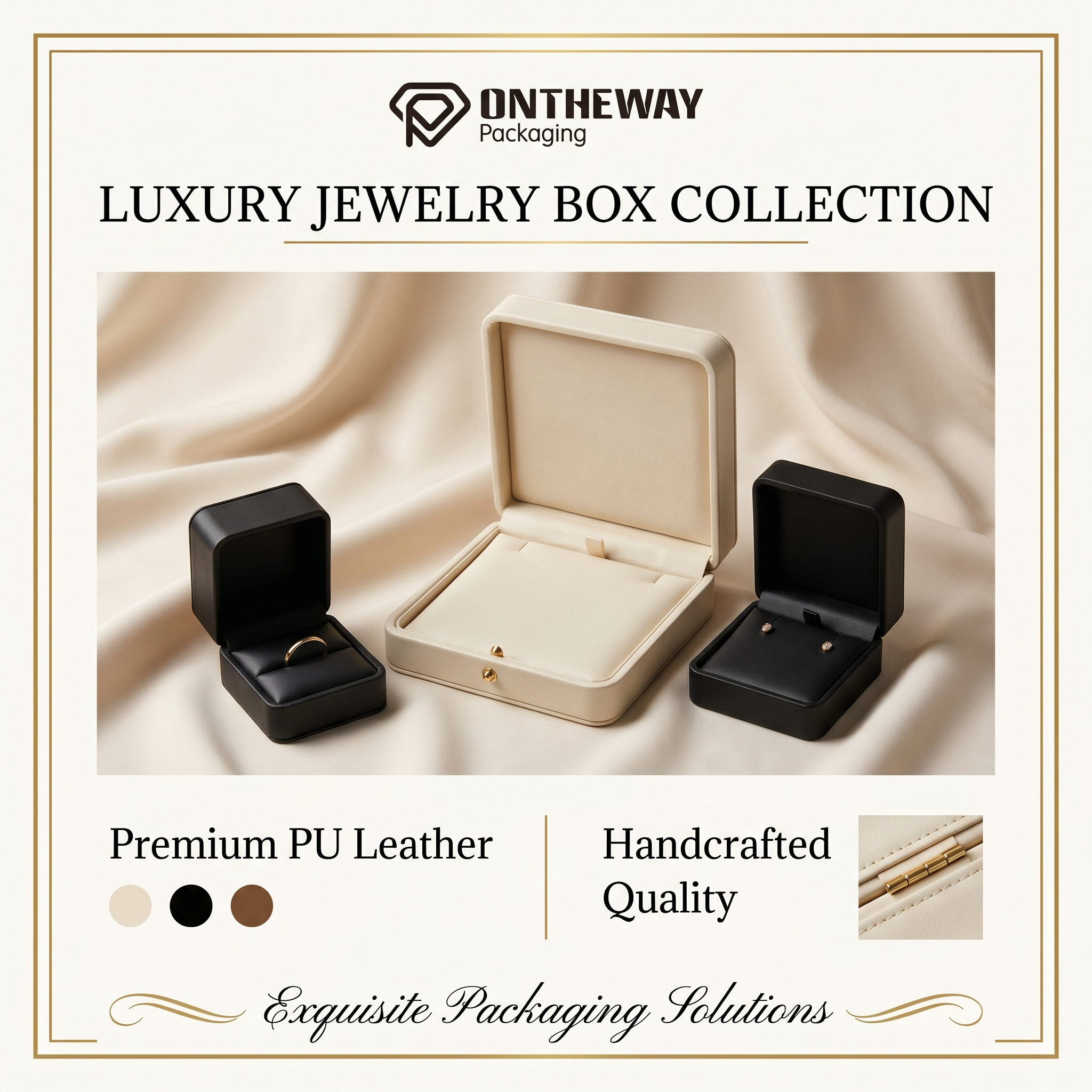
A leatherette jewelry box factory specializes in packaging products covered with synthetic leather materials such as PU leather or textured leatherette finishes.
Factories typically produce:
- ring boxes
- necklace boxes
- bracelet packaging
- watch boxes
- jewelry gift packaging
- complete display and packaging collections
In addition to standard production, many factories also support:
- OEM manufacturing
- logo customization
- structure development
- packaging sampling
- bulk export production
The most experienced factories can handle both packaging aesthetics and scalable production requirements simultaneously.
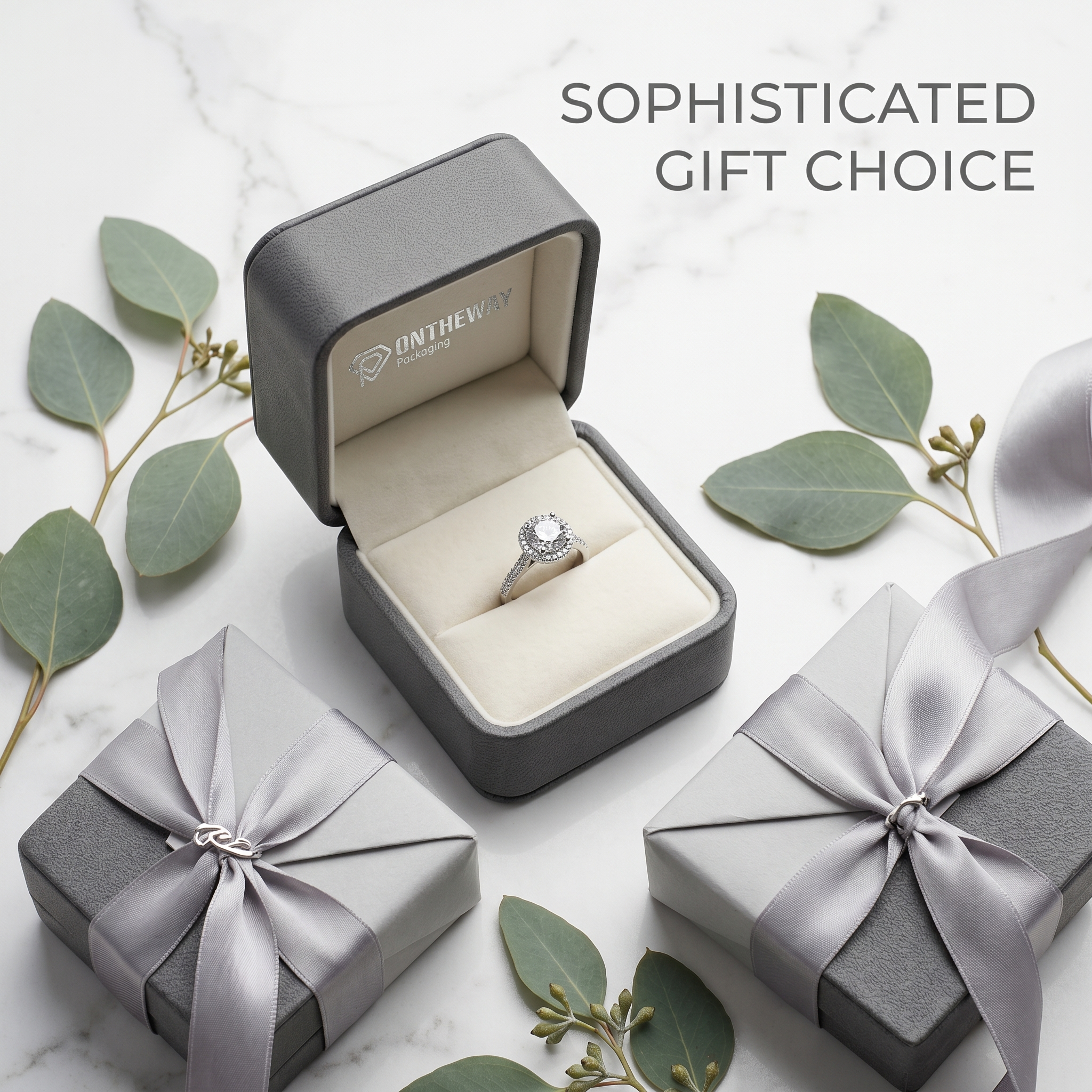
Leatherette jewelry packaging continues to perform strongly across global markets because it balances several important commercial advantages.
Premium Appearance
Leatherette creates a refined and sophisticated visual effect.
Consistent Production
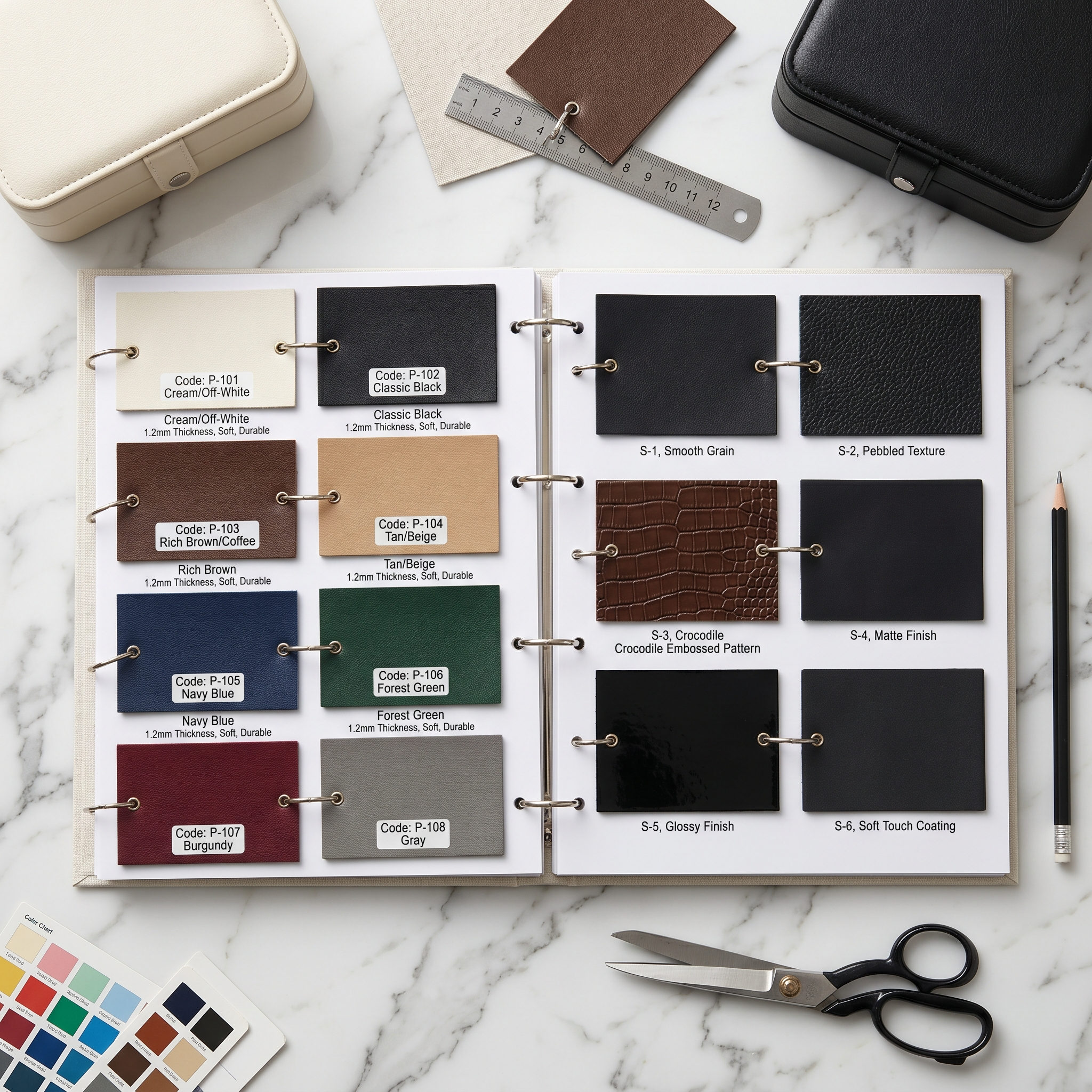
Unlike natural leather, synthetic materials allow more stable texture and color consistency.
Better Scalability
Factories can produce leatherette packaging efficiently in larger quantities.
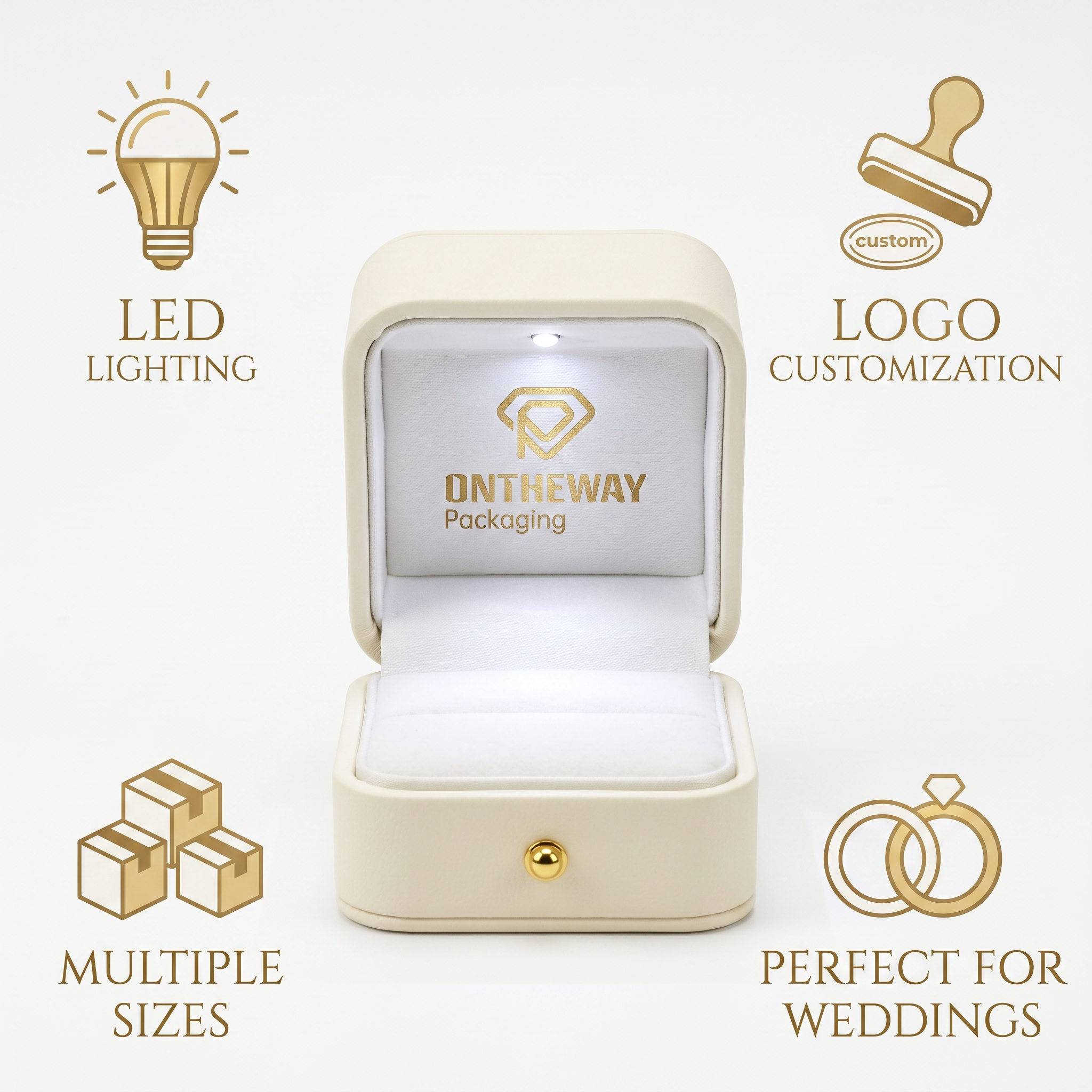
Flexible Branding Potential
Leatherette surfaces work well with:
- foil stamping
- embossing
- metal logo plates
- soft-touch finishes
For many brands, leatherette offers a practical balance between luxury presentation and operational efficiency.
Producing high-quality leatherette jewelry boxes requires multiple detailed processes.
Structure Development
The internal box structure is usually created using MDF or rigid board.
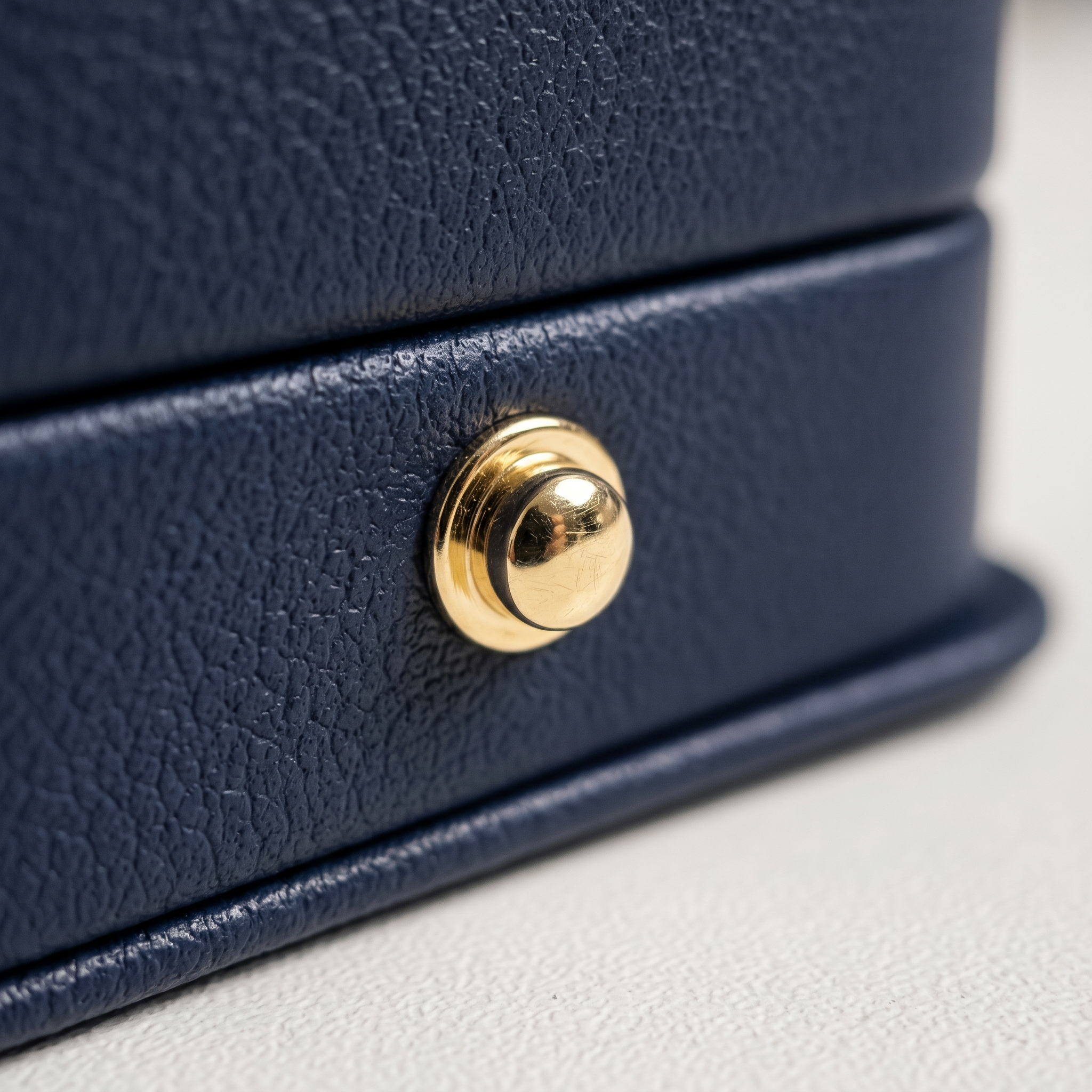
Surface Wrapping
Leatherette materials are carefully wrapped around the structure to ensure smooth finishing.
Interior Assembly
Velvet, suede, or foam inserts are installed based on jewelry type.
Logo Application
Branding is added through foil stamping, embossing, or other finishing techniques.
Quality Inspection
Reliable factories inspect:
- edge alignment
- surface consistency
- glue cleanliness
- logo accuracy
Small finishing details often determine whether packaging feels premium or low quality.
Most jewelry brands today require packaging that reflects their own visual identity.
Common OEM customization requests include:
- custom box structures
- logo branding
- unique textures and colors
- matching packaging collections
- custom inserts for different jewelry products
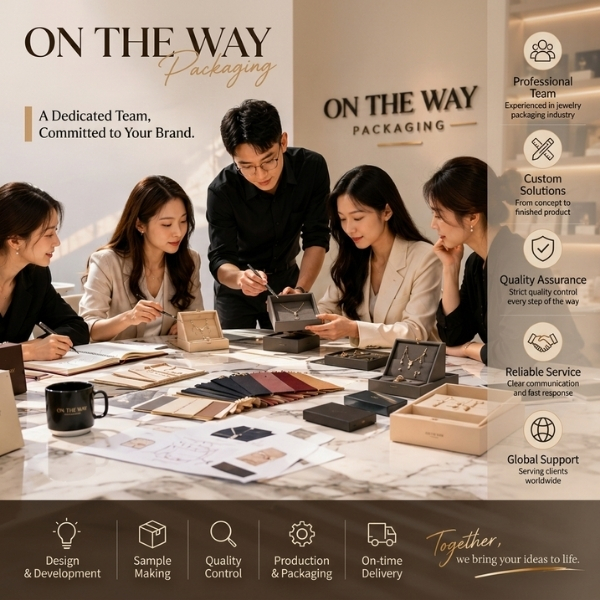
Factories with strong OEM capability can help brands move beyond generic packaging and create more recognizable presentation systems.
International buyers often evaluate factories based on more than price alone.
Production Stability
Can the factory maintain consistent quality over time?
Communication Efficiency
Fast and accurate communication reduces costly mistakes.
Export Experience
Factories serving global clients usually understand packaging standards and logistics requirements.
Sampling Capability
Efficient prototype development speeds up decision-making.
Quality Control
Reliable factories inspect products before shipment rather than after problems occur.
Long-term buyers typically value reliability more than extremely low pricing.
Several issues commonly appear in lower-quality production environments.
Uneven Wrapping
Poor surface application creates visible imperfections.
Color Inconsistency
Leatherette materials may vary between batches.
Weak Structural Assembly
Low-quality cores reduce durability.
Poor Interior Alignment
Jewelry inserts may not fit properly.
Experienced factories reduce these risks through:
- standardized production processes
- controlled material sourcing
- inspection procedures
- trained assembly teams
Understanding production expectations helps buyers plan more efficiently.
MOQ
Most custom leatherette jewelry box orders begin around:
- 100–300 pieces
Sample Development
Usually requires:
- 5–7 days
Bulk Production
Generally takes:
- 20–30 days depending on complexity
Planning ahead becomes especially important during holiday and peak retail seasons.
At Ontheway Packaging, we support jewelry brands, wholesalers, and retailers with custom leatherette packaging solutions designed for scalable production.
What Clients Value About Us:
- stable production quality
- flexible OEM & ODM support
- refined finishing standards
- responsive communication
- export packaging experience
We focus on helping brands create jewelry packaging that feels both commercially practical and visually premium.
Choosing the right leatherette jewelry box factory is about more than finding a supplier—it is about building a reliable production partnership.
For jewelry brands focused on quality, consistency, and long-term growth, factory capability directly affects packaging performance and customer perception.
In today’s competitive jewelry market, strong packaging execution has become part of successful brand building itself.
FAQ
Q1. What does a leatherette jewelry box factory produce?
Factories produce custom jewelry packaging covered with PU leather or leatherette materials.
Q2. Can leatherette jewelry boxes be customized?
Yes, including structure, logo, color, texture, and inserts.
Q3. What is the MOQ for custom production?
Usually between 100–300 pieces.
Q4. How long does production take?
Samples take around 5–7 days and production takes 20–30 days.
Q5. Why is leatherette packaging popular?
Because it combines luxury appearance, scalability, and practical cost control.


.png)
.png)
.png)

.png)

.png)