

Introduction: Why Packaging Has Become a Branding Tool
Jewelry packaging is no longer treated as a simple outer box.
For modern jewelry brands, packaging has become part of the customer experience, part of visual storytelling, and in many cases, part of the brand identity itself.
Customers often remember:
- how the box looked
- how it felt to open
- how refined the branding appeared
before they even fully remember the jewelry inside.
This is one reason paper jewelry boxes with logo customization have become such an important packaging category for modern brands.
When thoughtfully designed, paper packaging can feel elegant, recognizable, and emotionally engaging—without relying on excessive decoration.
Paper packaging has become the dominant solution for many jewelry brands because it combines practicality with design flexibility.
Compared to heavier packaging materials, paper boxes are:
- lighter
- easier to customize
- more scalable for growing businesses
- more adaptable for retail and e-commerce
At the same time, modern paper packaging can still achieve a highly premium appearance through:
- textured papers
- rigid structures
- foil stamping
- magnetic closures
- soft-touch finishes
Luxury today is no longer defined by weight alone. It is increasingly defined by refinement and experience.
A logo transforms packaging from generic presentation into branded communication.
Without branding, even beautiful packaging may feel interchangeable. But once a logo is integrated carefully, the packaging begins creating recognition and emotional memory.
This effect becomes stronger when combined with:
- thoughtful structure
- balanced typography
- premium finishes
- consistent brand colors
The goal is not to make the logo visually dominant.
Instead, the goal is to make the brand feel cohesive and intentional throughout the packaging experience.
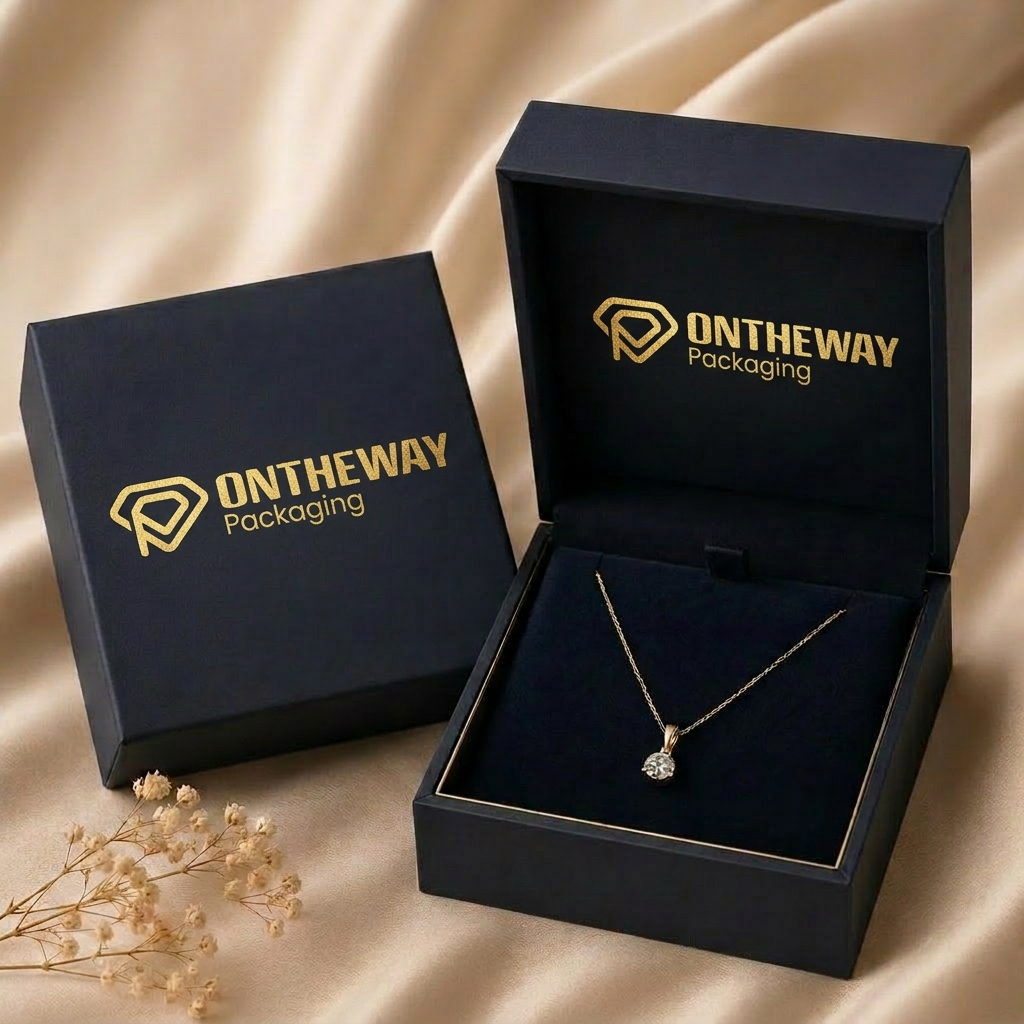
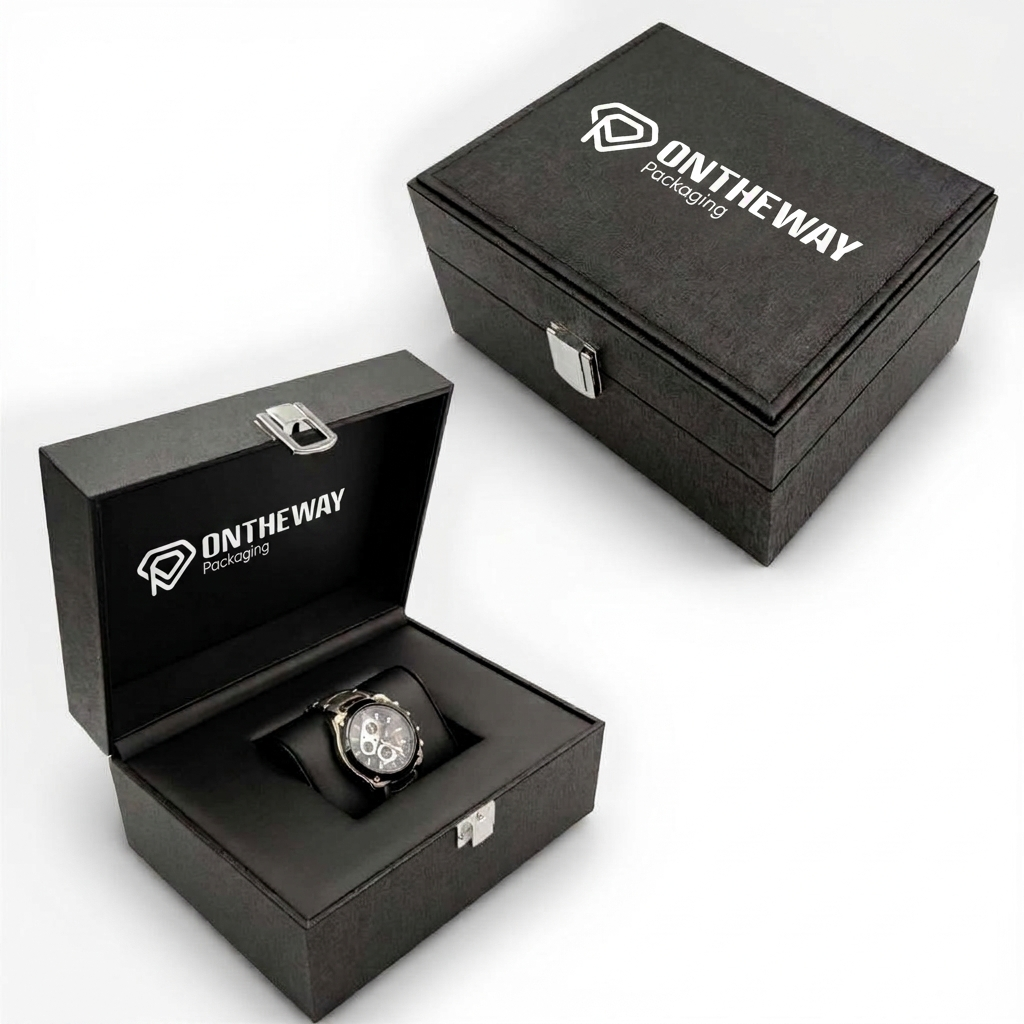
Different finishing methods create different emotional effects.
Foil Stamping
One of the most widely used techniques for luxury jewelry packaging.
Embossing & Debossing
Creates subtle texture and tactile sophistication.
UV Spot Finishing
Adds controlled contrast and visual depth.
Minimal Printed Logos
Popular among modern minimalist brands.
In premium packaging, subtle branding often creates stronger perceived luxury than oversized graphics.

Luxury paper packaging depends heavily on detail.
Several elements strongly influence perceived quality:
Structure
Rigid boxes usually feel more substantial and refined.
Surface Texture
Soft-touch lamination and specialty papers improve tactile experience.
Interior Contrast
Velvet or suede interiors create softness and visual balance.
Edge Precision
Clean corners and seamless wrapping signal craftsmanship.
Simplicity
Minimal designs often feel more premium than overly decorative packaging.
The perception of luxury usually comes from control and consistency rather than visual complexity.
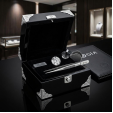
Color and texture play a major role in emotional branding.
Popular Luxury Color Palettes
- matte black
- warm ivory
- stone grey
- deep green
- soft beige
Common Premium Textures
- fine grain paper
- soft-touch matte surfaces
- linen texture papers
The most successful packaging systems maintain visual consistency across all customer touchpoints.
Modern jewelry packaging has become noticeably more restrained.
Many luxury and DTC brands now prefer:
- smaller logos
- cleaner layouts
- softer textures
- monochromatic color systems
This shift reflects broader luxury trends where sophistication is communicated through subtle detail rather than dramatic decoration.
Paper packaging works particularly well within this modern minimalist approach because it allows brands to focus on proportion, texture, and balance.
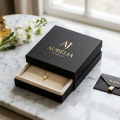
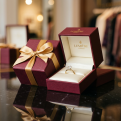
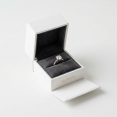
Unboxing has become an important part of customer engagement.
Packaging now influences:
- gifting experience
- social media sharing
- perceived product value
- repeat purchasing behavior
A well-designed paper jewelry box with logo can create emotional moments through:
- smooth opening motion
- tactile materials
- layered presentation
- elegant branding details
For many brands, these moments become part of long-term customer memory.
Creating custom branded paper jewelry packaging involves balancing aesthetics with manufacturability.
The development process often includes:
- structure testing
- logo sampling
- material selection
- texture matching
- production refinement
Strong packaging development focuses not only on appearance, but also on scalability, consistency, and operational efficiency.
This is why experienced packaging collaboration becomes increasingly valuable as brands grow.
Conclusion
A paper jewelry box with logo is far more than simple product packaging.
It is a branding tool, a customer experience element, and often one of the first physical interactions customers have with a jewelry brand.
In today’s market, thoughtful packaging design helps brands appear more refined, more memorable, and more emotionally engaging.
And increasingly, it is these details that customers remember most.
FAQ
Q1. Why are paper jewelry boxes popular among modern jewelry brands?
Because they combine customization flexibility, premium appearance, and practical scalability.
Q2. What logo techniques work best on paper jewelry boxes?
Foil stamping, embossing, debossing, and UV finishing are widely used.
Q3. Can paper jewelry boxes feel luxurious?
Yes, especially with rigid structures, premium textures, and refined finishing.
Q4. What colors are popular for luxury jewelry packaging?
Black, ivory, beige, deep green, and soft neutral tones are very popular.
Q5. Can paper jewelry boxes be fully customized?
Yes, including structure, texture, printing, logo, and interior materials.


.png)
.png)
.png)

.png)

.png)